Finding Nemo’s genes: reef fish genome mapped and shared
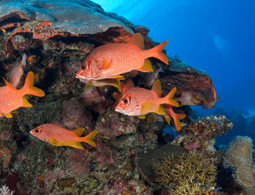
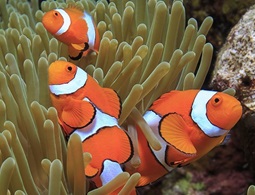
Nemo’s genome has been deciphered and made publicly available, helping researchers further investigate fish ecology and evolution.
Nemo’s genome has been deciphered and made publicly available, helping researchers further investigate fish ecology and evolution.
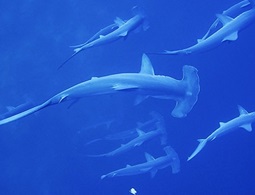
Big data shows that large marine vertebrates move differently, but consistently, through coastal and ocean waters.
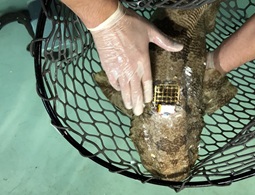
An electronic tag that stretches and flexes while it records location and environmental data can monitor marine animals in their natural habitat.
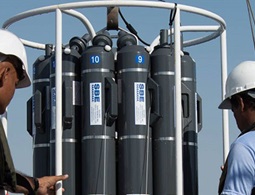
Turbulence and nutrient availability drive changes in Red Sea microbes.
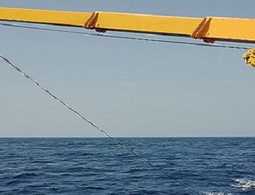
The Red Sea has relatively low amounts of floating plastic debris in its surface waters due to fewer sources or faster removal.
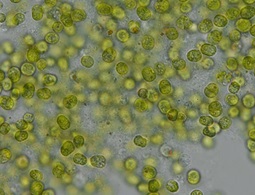
Jumping genes could make an alga, and its coral host, more tolerant to warming sea temperatures.
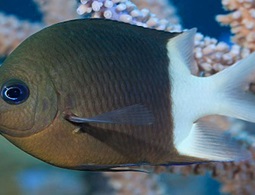
Some species of fish have special adaptive mechanisms that could improve their chances of surviving the greenhouse effect.
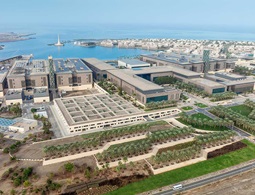
A new soil classification system, and tools to implement it, helps understanding of the properties of the ground underpinning geo-engineering projects.
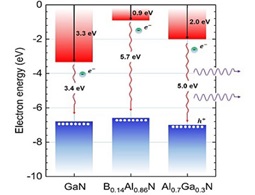
Efficiency gains come from tuning the properties of semiconducting materials by combining layers of different composition.
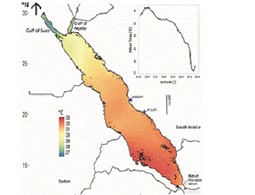
The world’s warmest sea is heating up faster than the global average, which could challenge the ability of the Red Sea’s organisms to cope.
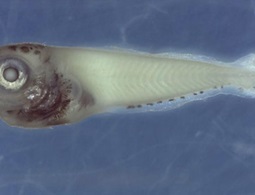
A combination of morphological and molecular approaches gives researchers a first glimpse of Red Sea larval fish communities.
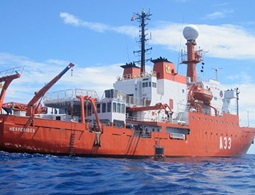
Microbes are dispersed widely over the oceans with islands acting as stepping-stones to help transport of land-based organisms.