

KAUST Future Cement Initiative accelerates Saudi Arabia’s sustainable cement transformation
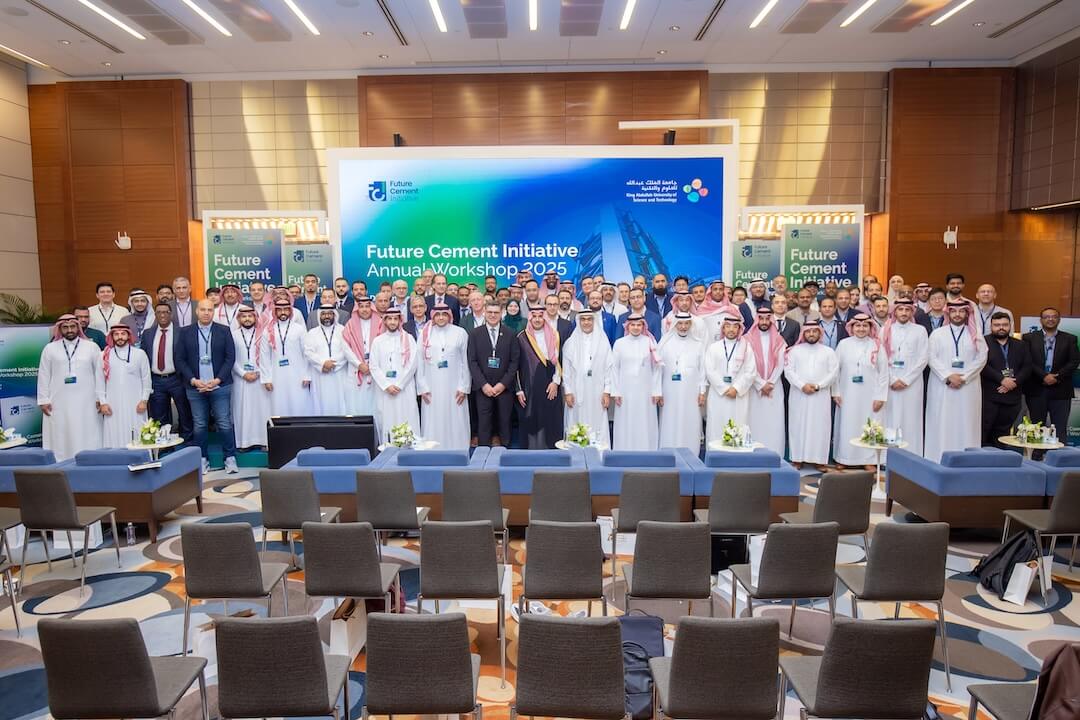
The annual Future Cement Initiative (FCI) National Workshop, hosted on December 8–9 at King Abdullah University of Science and Technology (KAUST), brought together more than 200 regulators, industry leaders, researchers, and technical experts to advance a shared roadmap for low-carbon, high-performance cement in the Kingdom.
KAUST shared early findings from the first year of the Future Cement Initiative, highlighting new opportunities to reduce emissions and strengthen the competitiveness of Saudi Arabia’s cement sector.
Cement is one of the world’s most carbon-intensive materials. With global demand expected to rise from 4.37 billion tons in 2025 to more than 5.5 billion tons by 2030, the sector faces increasing pressure to reduce emissions while supporting infrastructure growth worldwide. In Saudi Arabia, national demand is projected to reach around 80 million tons per year by 2030, driven by accelerated development across housing, industry, and giga-projects.
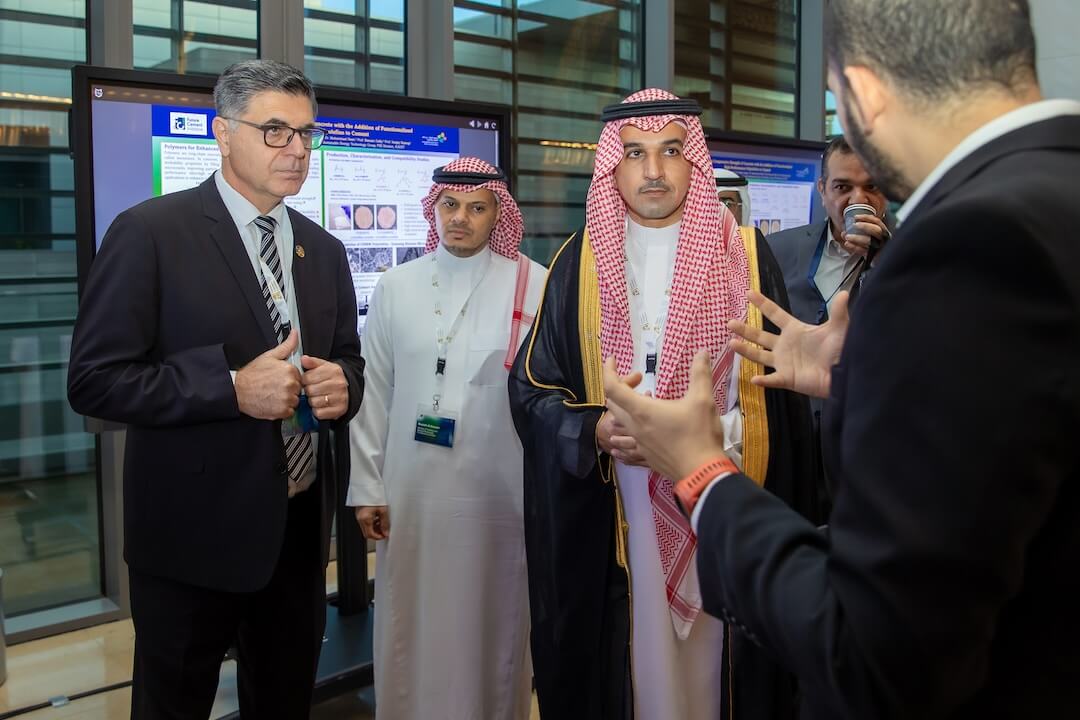
Researchers reported that several types of locally sourced clay found in different regions of the Kingdom show strong potential as ingredients in more sustainable cement blends. Using these materials could reduce the need for traditional clinker—the most carbon-intensive component of cement—while maintaining the strength and performance required for construction in Saudi Arabia.
The two-day program combined technical training, research presentations, and strategic discussions on how the Kingdom can modernize cement manufacturing while meeting its economic and environmental priorities.
On the second day, university leadership and national stakeholders, including H.E. Eng. Turki Al-Babtain, Deputy Minister of Industry and Mineral Resources for Mining Development, convened for discussions on strategic pathways for cement decarbonization, circular economy models, carbon management mechanisms, and the role of emerging technologies in shaping the sector’s future.
The workshop also addressed how cement produced in the Kingdom naturally absorbs carbon during its lifetime. Because of the region’s warm climate and humidity patterns, Saudi concrete may take up carbon dioxide from the atmosphere at a faster rate than in many other parts of the world. Understanding this behavior can support more accurate emissions accounting, improved materials standards, and better long-term planning for infrastructure projects. In addition, KAUST researchers are developing new additives and advanced material solutions designed to enhance the durability and performance of low-carbon cement. These innovations, alongside emerging technologies such as circular cementitious materials and AI-assisted modelling tools, form part of KAUST’s broader effort to support the Kingdom’s transition toward more efficient and sustainable construction practices.
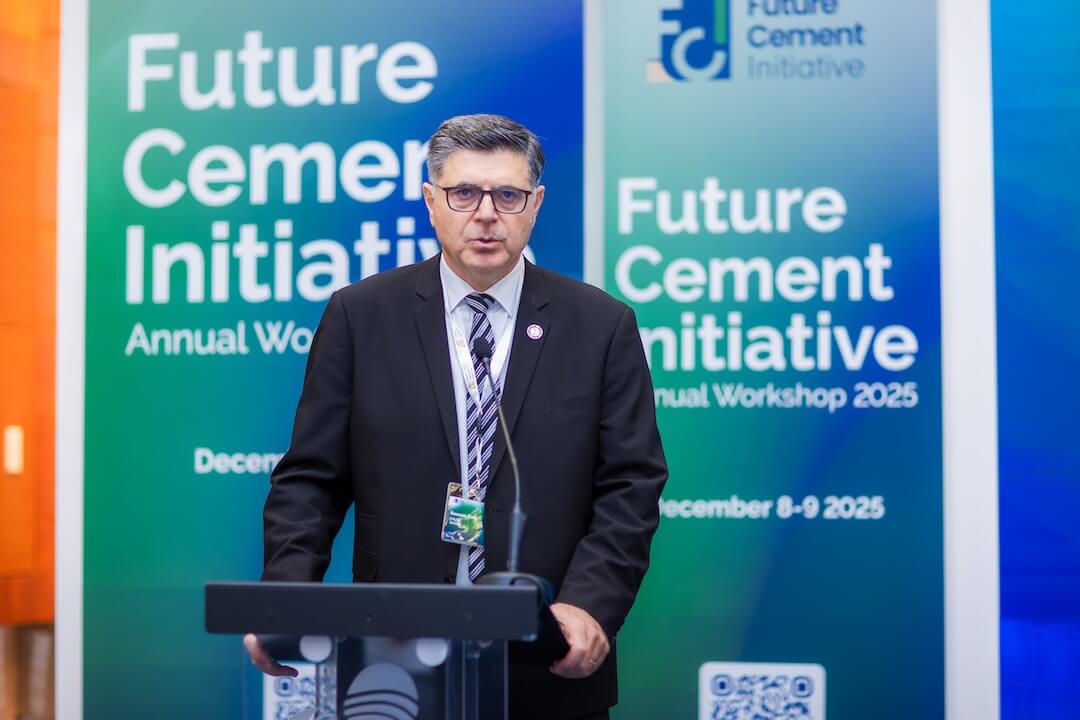
Professor Bassam Dally, Chair of the Future Cement Initiative, said: “Cement will remain essential to the Kingdom’s development. Our challenge is to make it cleaner, more efficient, and globally competitive. Through research, training, and collaboration, we are building the scientific and industrial capabilities needed to shape the future of this vital sector.”