Simple framework helps future ocean studies
A framework that helps marine scientists select localized carbon dioxide levels for experiments aims to improve robustness in global warming studies.
A framework that helps marine scientists select localized carbon dioxide levels for experiments aims to improve robustness in global warming studies.
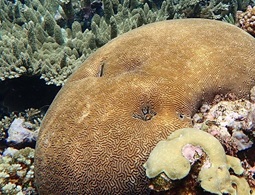
First evidence that animal DNA methylation patterns can be passed to the next generation.
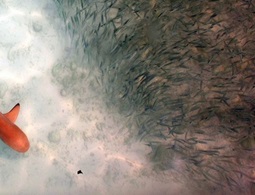
No evidence of infection found in the bacterial community around shark wounds.
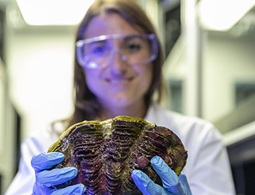
Microplastics in the water column are ingested by clams and become attached to their shells.
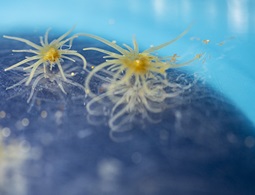
Corals use sugar from their symbiotic algal partners to control them by recycling nitrogen from their own ammonium waste.
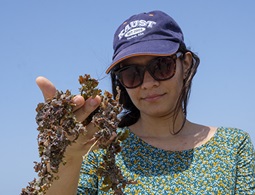
Macroalgae is shown to be a major global contributor to carbon sequestration.
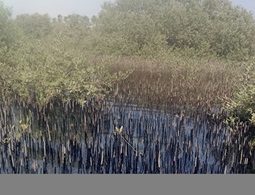
Sediment libraries show marine ecosystems are accumulating oil pollution faster than ever.
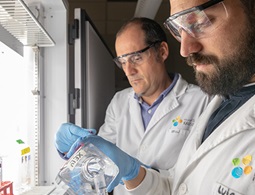
Predation, not resource availability, limits the abundance of coastal Red Sea bacteria.
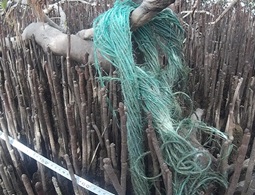
Marine plastic pollution accumulates in mangrove forests and is a danger to sea life.
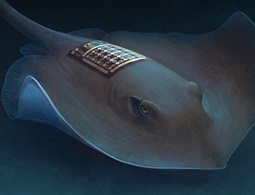
A pioneering tagging system that monitors the movement and local environment of sea animals reaches deeper depths and higher sensitivities.
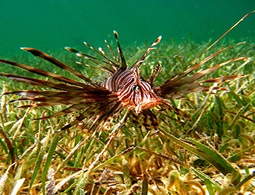
Researchers disentangle the effects of introduced species on the marine environment.
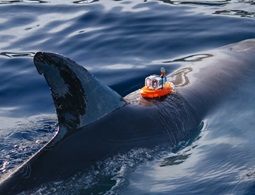
Laser-induced graphene formation creates tailor-made sensors for monitoring ocean creatures and ecosystems.