

Preparing Saudi engineers for the Kingdom’s future

Engineers are at the forefront of Saudi Arabia’s national development, bridging the gap between scientific theory and practical application. King Abdullah University of Science and Technology (KAUST) serves as a talent pipeline for Saudi engineers whose skills and expertise support the Kingdom’s industrial ambitions and sustainable growth.
That role is more consequential than ever following the Ministry of Human Resources and Social Development’s announcement of a 30 percent “Saudization” requirement across engineering specializations. The policy reinforces the value of mission-driven universities such as KAUST in supplying national industries and society with job-ready Saudi engineers. Aishah Alsamdani is one example of a KAUST-trained Saudi engineer making an impact.
She graduated in 2024 with a master’s degree in environmental science and engineering and now serves on the environmental team in the advisory and support office of the Saudi Ministry of Environment, Water and Agriculture (MEWA), where her work supports the development of national carbon management strategies.
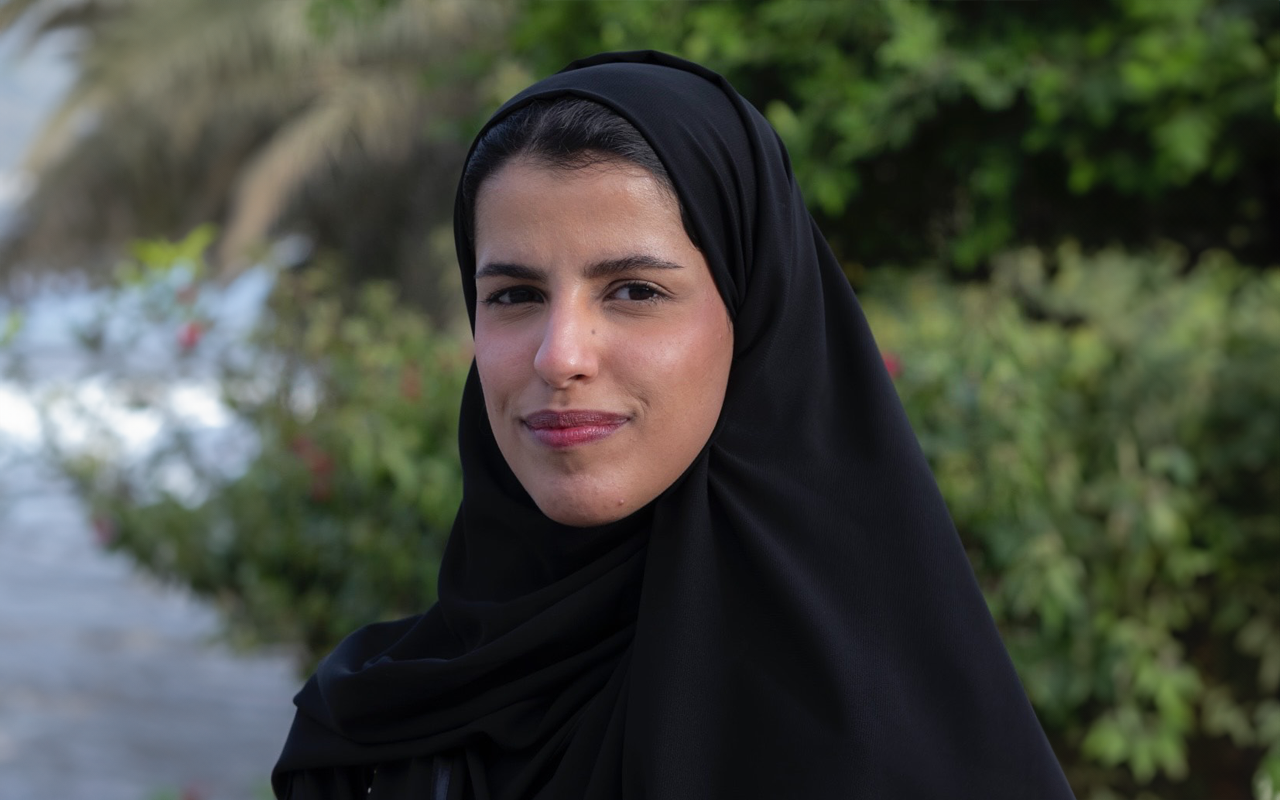
“I leverage my background and scientific experience, with my team, to create an impact that contributes to Saudi Vision 2030 and beyond,” Alsamdani said of her role as an environmental engineer working at MEWA.
Saeed Alyousef earned a KAUST master’s degree in mechanical engineering in 2017 and now works at the intersection of mechanical engineering, quality management, and digital operations at SLB (formerly Schlumberger) in Saudi Arabia. He serves as deployment lead for Asia and the Middle East and North Africa regions, supporting the implementation and standardization of enterprise resource planning systems across manufacturing and operational sites.
“Through the roles I have undertaken, I have bridged engineering, quality excellence, and global operations while contributing to reliable, compliant, and high-performance solutions in the energy sector,” he said. “These experiences have shaped my approach as an engineer who values ownership, collaboration, and long-term impact.”
Both Alyousef and Alsamdani point to Saudi human capital as the foundation of long-term national development. They highlight KAUST’s role in building the skills, confidence, and responsibility needed for engineers to lead the Kingdom’s next phase of innovation and impact. Both credit the University with shaping their career paths.
“I left KAUST with a global mindset, a strong sense of ownership, and a desire to contribute to work that matters,” Alyousef said. “The relationships I built, the mentorship I received, and the values I absorbed continue to guide my professional journey and personal growth.”
As vice president of KAUST’s Saudi Alumni Chapter, Alsamdani continues to champion the University’s mission of advancing scientific knowledge, its broad dissemination, and its beneficial application, as well as the graduates who help realize this focus for the Kingdom. “They’re brilliant, smart, and career-oriented. I believe in KAUST alumni.”
From research to real-world impact
KAUST is more than an academic institution for Alyousef and Alsamdani. Both alumni describe the University as an environment where research, entrepreneurship, and practical application converge. Their experiences reflect a model of engineering education that extends beyond theory into industry, policy, and commercialization.
“Between research and classes, I was working part time at a startup built at KAUST, mainly testing the product we developed in the lab,” Alsamdani said of her experience helping prepare Terraxy Company Inc.’s soil amendment solutions for commercial application. “I was building the business strategy and developing an investment portfolio to attract companies to invest in the product.”
Today, through her work at MEWA, she applies those same skills, translating scientific and engineering solutions into frameworks that can be implemented at scale. “This includes areas such as carbon markets, environmental and social safeguards, sustainable infrastructure, and the adoption of innovative technologies.”
She added that Saudi Arabia’s distinct environmental conditions require locally informed expertise, which KAUST consistently helps to cultivate. “Time after time, Saudi youth have proven their excellence in different fields.”
Training engineers for industry
For Alyousef, KAUST represented one of the most formative periods of his academic and professional life. It pushed him beyond textbooks and into real engineering challenges, where he learned to approach complex problems systematically and translate theory into practical, industry-ready solutions — skills that continue to shape his career.
“Equally important was the culture at KAUST,” he said. “Collaboration was central to everything we did. Working with peers from different disciplines and cultural backgrounds pushed me to think differently, communicate clearly, and remain open to new ideas. These experiences helped me develop not only as an engineer, but also as a team member solving global engineering challenges.”
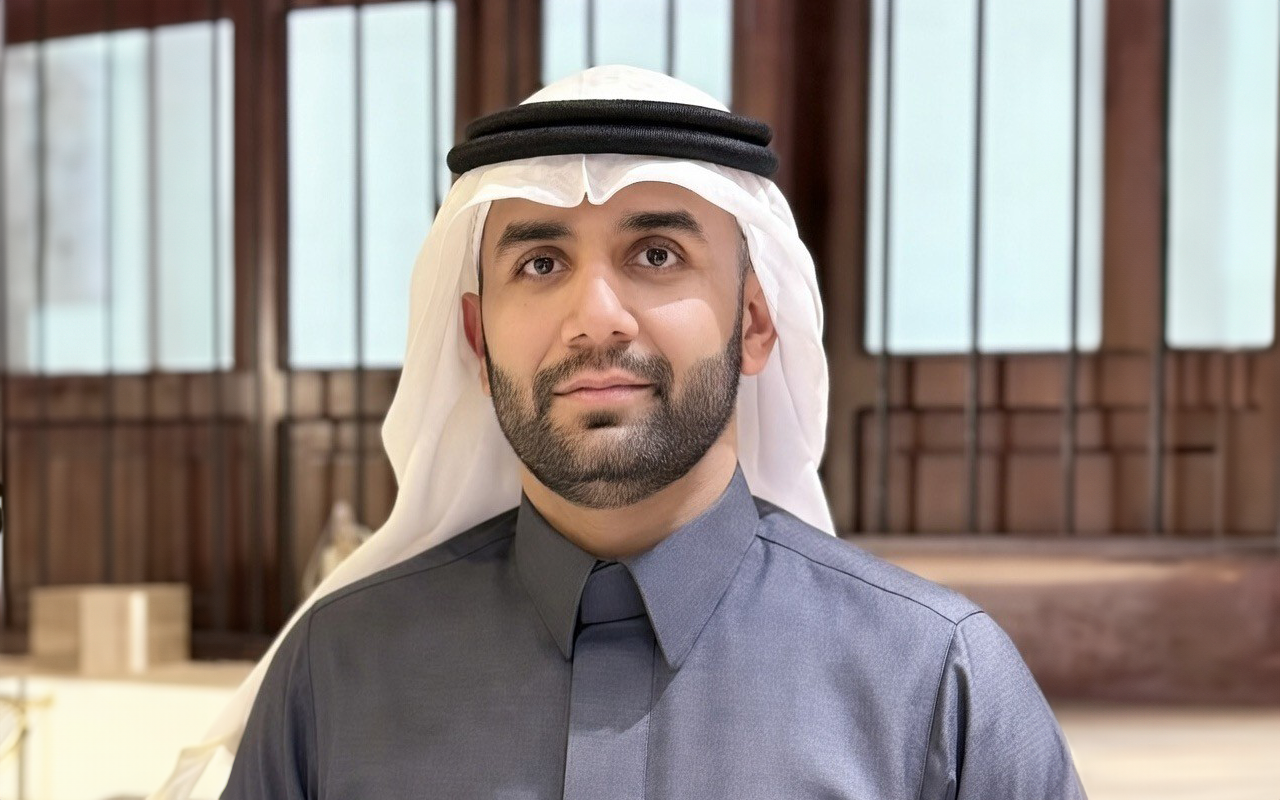
Alyousef’s past roles at SLB included mechanical design engineer, quality team lead, and quality manager. As a design engineer, he developed and validated components for in-Kingdom manufacturing, gaining insight into how early design decisions shape performance and safety. He later moved into quality leadership roles focused on ensuring products meet customer, regulatory, and international standards.
In his current role, Alyousef helps integrate systems and applications into business workflows by streamlining core processes and information, enabling data-driven decision-making, process consistency, and operational excellence on a global scale.
“Building on my experience in design, quality, and regional operations, I aim to contribute to the development of reliable, locally manufactured technologies and standardized engineering practices that strengthen Saudi industry.”
Scaling workforce-ready engineers for the Kingdom
Reflecting the kind of career-ready training described by Alyousef and Alsamdani, the University is scaling its impact through two collaborative initiatives: the KAUST Academy’s Master of Engineering programs in Artificial Intelligence and Cybersecurity.
Sponsored by the Saudi Ministry of Interior, these programs are developing national workforce capabilities, ensuring the ministry remains competitive in addressing both local and global challenges while supporting transformation toward more advanced and innovative ways of working in alignment with Vision 2030 goals.
These programs emphasize applied learning and problem solving through industry projects, internships, case studies, and capstone work addressing operational challenges. They are designed to respond to rapidly evolving technological demands in sectors such as AI, cybersecurity, digital governance, and data science. The programs integrate practical training with industry collaboration, aligning academic education with workforce skill demands.
Evidence of the programs’ early success emerged at KAUST’s 16th commencement ceremony in November 2025, when 66 graduates of the Master of Engineering in AI program were among the University’s 593 graduates.
Since that milestone, the programs have continued to expand. The second and third cohorts of the AI program are currently progressing through their studies alongside the first cohort of the cybersecurity program, with additional cohorts already in development.
This growth reflects sustained demand and strong institutional support for workforce-ready engineering education in Saudi Arabia, driven by collaboration between the Saudi Ministry of Interior and KAUST.