Microbiome boost may help corals resist bleaching
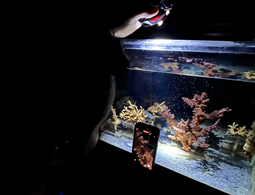
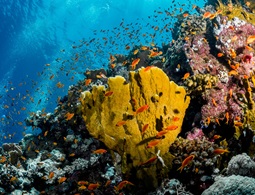
Providing corals with cocktails of natural probiotics could enhance their tolerance to stress and reduce mortality in coral bleaching events.
Providing corals with cocktails of natural probiotics could enhance their tolerance to stress and reduce mortality in coral bleaching events.
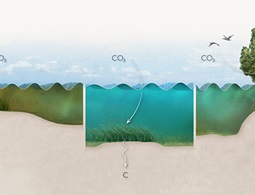
Tackling climate change in marine ecosystems requires diverse strategies, from protecting coasts to farming kelp and restoring whale populations.
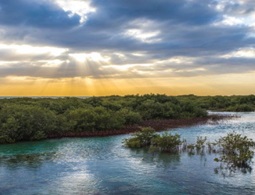
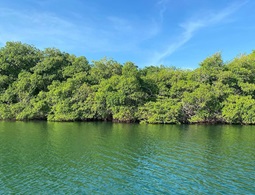
Researchers uncover an overlooked process enhancing the carbon-removal potential of mangroves.
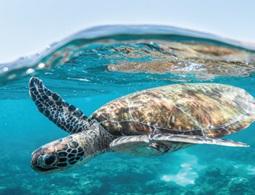
The balance of the sexes in marine turtle hatchlings may be disrupted by high sand temperatures at nesting sites around the Red Sea.
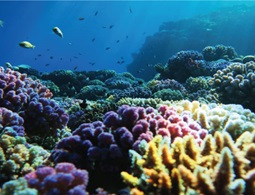
Little of the organic carbon in the Red Sea could be reaching the depths necessary for long-term storage.
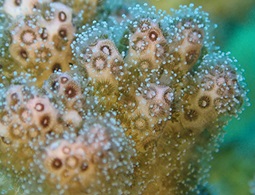
A newly sequenced coral genome offers tools to understand environmental adaptation.
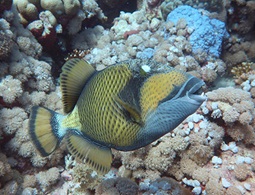
In probably the first observation of its kind, a tricky triggerfish is seen beaching itself before attacking a crab walking along the shoreline.

Multistakeholder collaboration is key for the adoption of molecular approaches that can facilitate accurate, cheaper and faster monitoring of marine ecosystems.
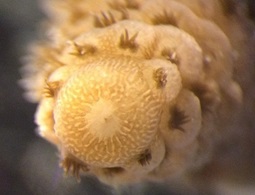
A safer technique reveals that corals take up seawater pollutants both directly and indirectly.
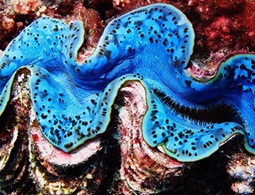
Giant clams manipulate light to assist their symbiotic partner.
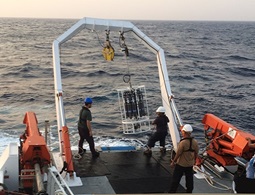
Studies of plankton communities in Red Sea waters provide insights into seasonal variations and dominant control mechanisms.
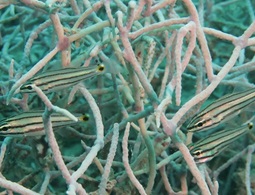
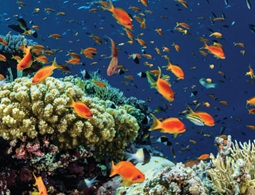
Reef fish species uniquely respond to climate change, with some more vulnerable than others.