

Two million eggs and growing: Inside KAUST’s coral spawning program
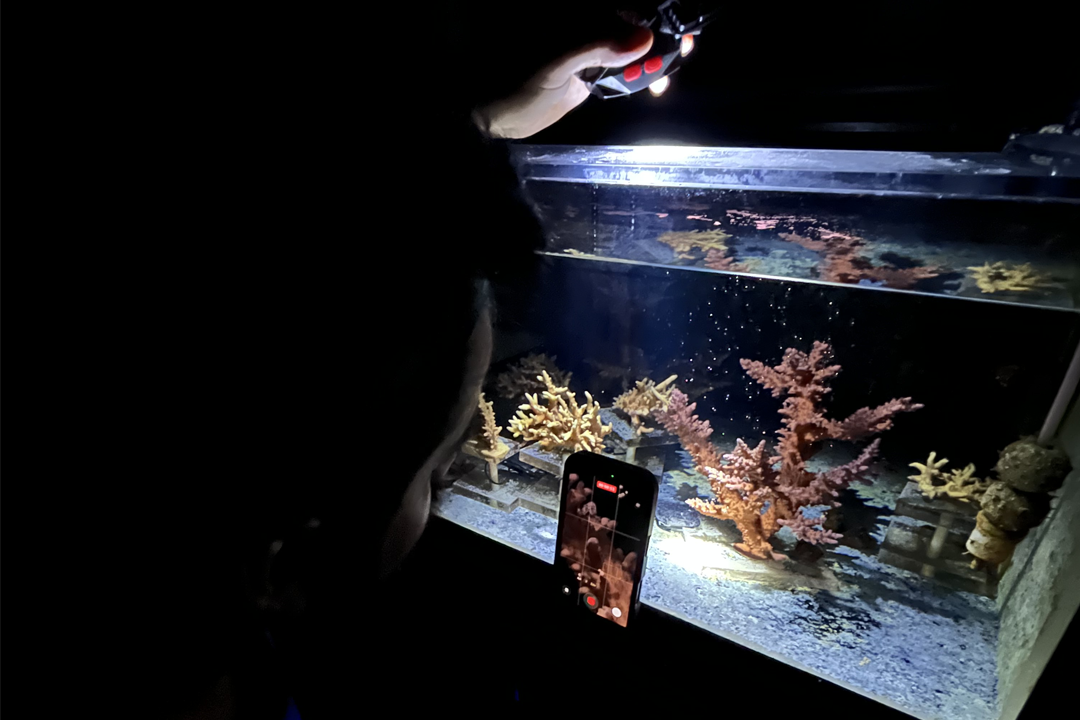
Along the Red Sea coast, coral spawning usually takes place during a brief natural window each year. At King Abdullah University of Science and Technology (KAUST), scientists have now expanded that process in controlled systems, producing approximately two million eggs from six coral species this season to support reef research and future restoration efforts.
Researchers at KAUST’s Coastal and Marine Resources (CMR) Core Lab have developed facilities that recreate the environmental signals corals use to reproduce. By adjusting light cycles, temperature, salinity, water flow, and simulated lunar phases, the team can trigger spawning beyond the natural seasonal calendar and generate repeated access to gametes and larvae throughout the year. This program also represents the first successful implementation of shifted phase coral spawning in the Kingdom, creating new opportunities for marine science and reef restoration research in Saudi Arabia.
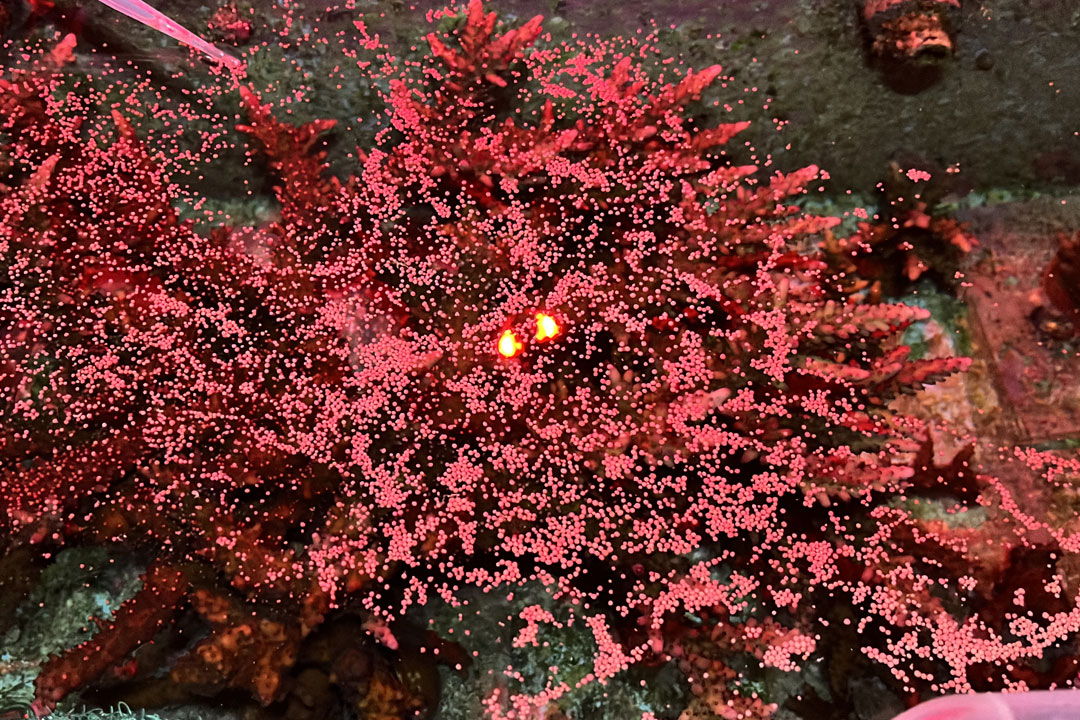
Replicating coral spawning in controlled settings is technically demanding and depends on highly specialized marine research infrastructure. At KAUST, this work is supported by the Coastal and Marine Resources (CMR) Core Lab’s advanced facilities, including highly filtered seawater delivered through aquatic life support systems that are continuously monitored 24/7, with sensitive alarm systems to detect any parameter shifts. The facility also includes tanks specifically designed for broodstock maintenance and larval settlement, alongside a highly trained team dedicated to monitoring coral health and larval development throughout each stage. Controlled spawning systems have supported coral research internationally, but KAUST’s program is applying this capability at scale to Red Sea species. This gives researchers greater opportunities to advance studies in reef restoration, breeding, and early-life resilience.
“Coral spawning is one of the most remarkable events in the ocean, but it is fleeting and difficult to study,” said Haitham Aljehdali, Director of Coastal and Marine Resources Core Lab, KAUST. “To recreate it in the lab for Red Sea corals is incredibly rewarding because it gives us repeated chances to understand the earliest and most vulnerable stage of reef life. Each successful spawning event creates another opportunity to learn how we can better support reefs.”
Earlier this year, KAUST achieved its first out-of-season spawning event of 2026 within the indoor system. The program operates across two complementary environments. Indoors, scientists precisely manage seasonal cues throughout the year. Outdoors, flow-through tanks follow natural Red Sea sunlight and lunar rhythms, allowing researchers to compare controlled and natural spawning cycles.
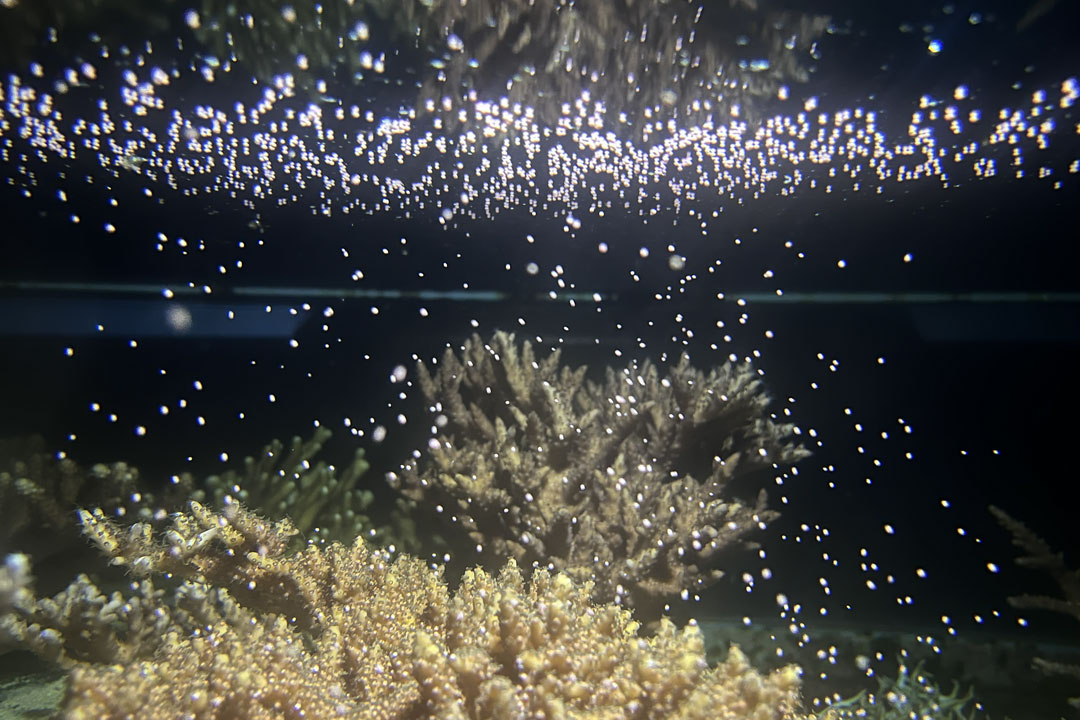
Successful spawning has already been observed from species including Platygyra, Galaxea, and three species of Acropora , with fertilized larvae settling onto specially designed tiles where they can continue growing into juvenile corals.
For Saudi Arabia, where the Red Sea coastline supports valuable ecosystems, tourism, fisheries, and marine innovation, advances in coral propagation science are increasingly important. Better understanding how corals reproduce and establish new generations can help strengthen future reef conservation and restoration efforts.
Red Sea corals are of scientific interest because they live in one of the world’s warmest and saltiest reef environments, offering useful insight into how reefs adapt to demanding marine conditions.
The next phase of the program will focus on improving larval settlement success and juvenile survival rates in addition to expanding the number of Red Sea species studied.