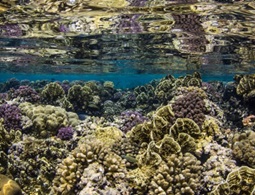
Understanding the growth of coral reefs
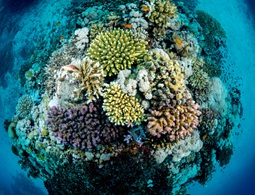
Determining the growth dynamics of Red Sea coral reefs has enabled researchers to establish a baseline to assess the effects of environmental change.
Determining the growth dynamics of Red Sea coral reefs has enabled researchers to establish a baseline to assess the effects of environmental change.

Investigating plankton communities' reaction to rising water temperatures may improve modeling of marine ecosystem responses to global warming.
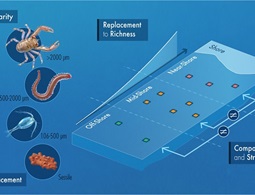
Composition in cryptic fauna assemblages changes across a shelf gradient, a recent study of the Red Sea shows.
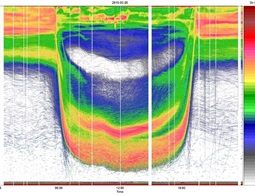
A carbon source stemming from daily fish migrations is implicated in the global carbon cycle.

While drones scan beaches to assess plastic litter, microplastics are found in the digestive tracts of one in every six Red Sea fish.
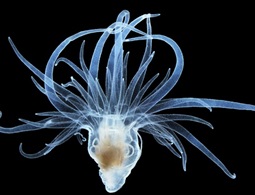
Epigenetic mechanisms adjust gene expression in anemone symbiosis.
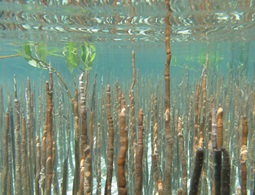
Maintaining a balance between rising sea levels and soil accumulation will rely on careful management of coastal regions.
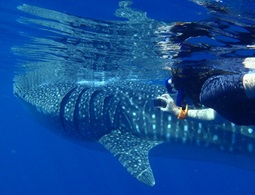
Investigations of prey patterns fail to explain why whale sharks aggregate off the coast of Saudi Arabia.

Corals, even in the most far-flung locations, are being affected by climate change but fare better in marine protected areas.
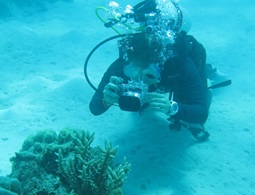
Research reveals the genetic response to heat stress and highlights symbiotic algae’s role.
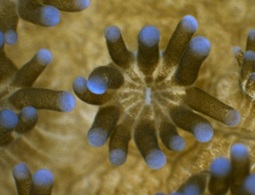
A molecular process that signals distress could also help corals adapt to climate change.
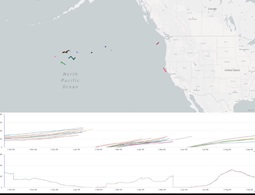
Adding sound to elephant seal migration data reveals high levels of coordination when swimming long distances.