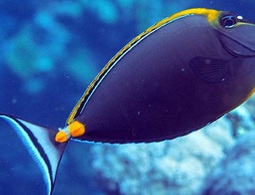
Giant bacteria make algae easy to stomach
Symbiotic giant bacteria enable Red Sea surgeonfish to specialize their diets.
Symbiotic giant bacteria enable Red Sea surgeonfish to specialize their diets.
Satellite imagery shows how currents shape the Red Sea ecosystem.
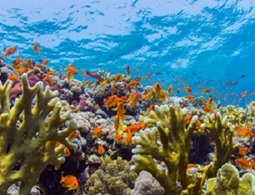
Coral ecosystems may be able to adapt rapidly to climate change through natural plastic responses.
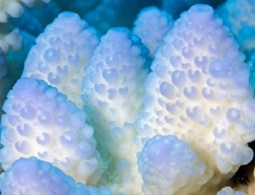
When faced with high salinity, the tiny plant cells within coral tissue alter their metabolites to better cope with stress.
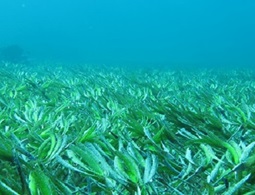
Mangroves, seagrass meadows, seaweeds and saltmarshes, the forests of the sea, perform a vital and often overlooked role in storing carbon and mitigating the effects of climate change.
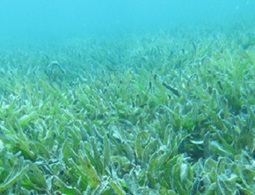
Protection zones for coasts and oceans are an effective way to help marine and human communities to adapt to climate change.
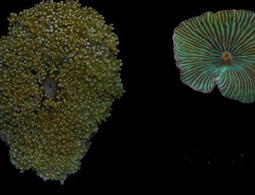
The genome sequences of two "false" corals offer a window into the evolution of calcification, which may help their reef-building cousins.
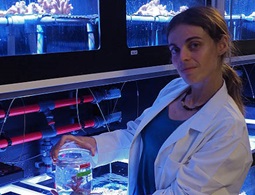
A unique investigation highlights how excess nitrogen can trigger coral bleaching in the absence of heat stress.
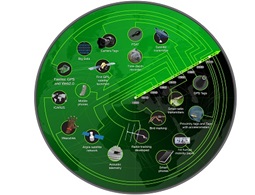
A remarkable collaboration, drawing parallels between human and animal ecology, uses data from smartphones to protect vulnerable species.
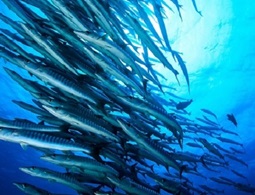
Careful marine management and stricter fishing laws could enable Saudi Arabia’s coral reefs to thrive.
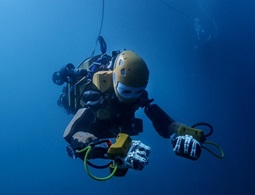
An international, multidisciplinary collaboration that led to the world’s first underwater robotic avatar.
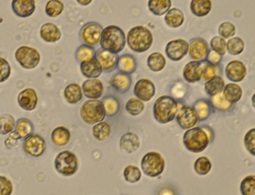
Stressed dinoflagellates rewrite their genes during transcription.