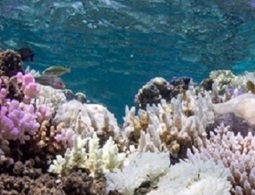
Seeking adaptation for corals in times of stress
The Red Sea provides opportunities to coral bleaching and inform future practices to help safeguard the world’s coral reef ecosystems.
The Red Sea provides opportunities to coral bleaching and inform future practices to help safeguard the world’s coral reef ecosystems.
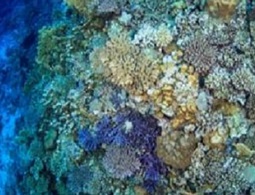
Genome sequences of dinoflagellate algae indicate how they maintain their symbiotic relationship with corals.

“Historians will look back on this era as the tipping point for marine agriculture,” said Carlos Duarte.
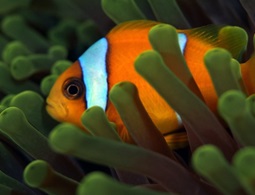
Identification of candidate pathways in clownfish shows they can control responses to population alterations.
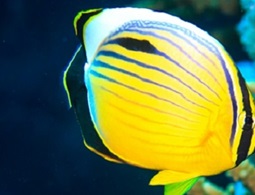
A genome for the blacktail butterflyfish may illustrate how reef fish adapt to challenging conditions in the Red Sea.
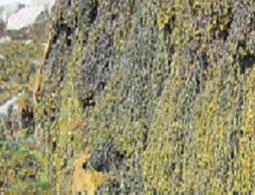
Carbon storage by coastal macro algae is a significant but neglected aspect of the global carbon budget.
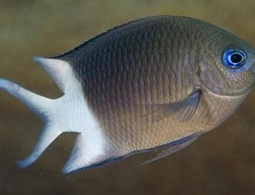
Evolutionary alterations to circadian rhythm genes help reef fish adapt to the higher levels of carbon dioxide of future oceans.
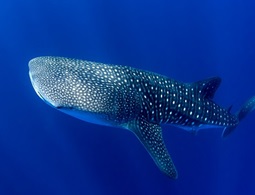
A population study of whale sharks in the Red Sea reveals unique group dynamics.
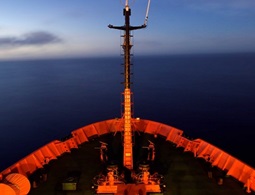
Ocean cruise studies input of PAHs from the atmosphere into the ocean.
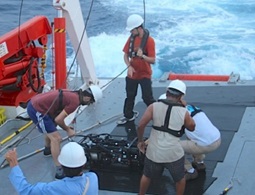
Studies conducted at the Saudi Aramco-KAUST Marine Environmental Research Center provide new insights into the physical and biological aspects of the Red Sea.
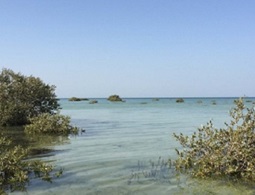
Satellite imagery shows that the Red Sea’s mangrove forests have increased, not decreased, over the last 40 or so years.
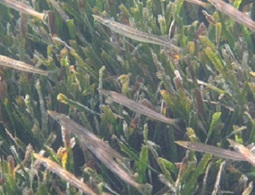
Seagrass genome reveals the structural and physiological adaptations needed for plants to survive and thrive in the marine environment.