Smart technology shows where we’re at
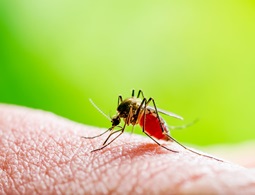
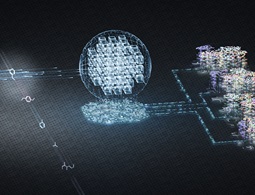
A combination of state-of-the-art sensors and standardized data analysis will transform research for tracking animals and humans.
A combination of state-of-the-art sensors and standardized data analysis will transform research for tracking animals and humans.
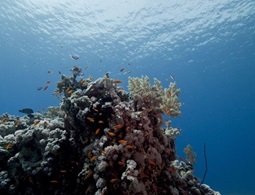
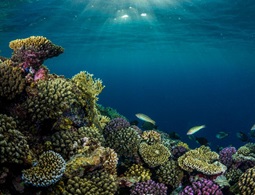
Detailed analysis of nutrient distribution and circulation in the Red Sea could provide a model for the future of the world’s oceans.
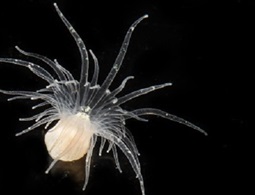
Analysis of sea anemone genome yields unprecedented detail of anemone-algae symbiosis, and may provide a model for coral symbiosis.
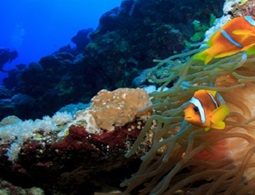
Some coral reef fish species don’t settle very close to home.
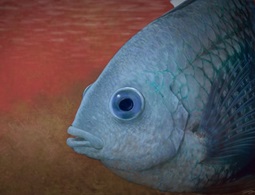
A coral reef fish can acclimate to warm temperatures in just two generations.
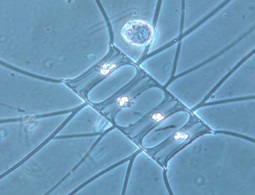
A look at life in the depths of the ocean reveals an efficient system of pumping carbon out of the atmosphere.
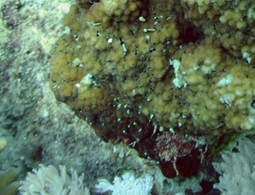
A coral named for KAUST could provide a glimpse of future reef conditions under climate change.
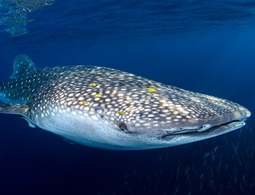
Rather than migrating, whale sharks in Tanzania hide surprisingly close to home year-round.
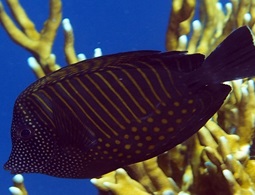
DNA sequencing of reef fish microbiomes shows that diet is all-important.
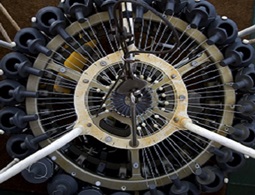
Analyses of marine bacteria offer insights into processes of carbon storage and release beneath the sea.
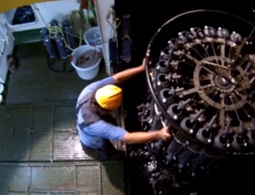
Single-cell analysis of microbes from Red Sea deep brine pools reveals the genetic innovations needed to thrive in extreme conditions.
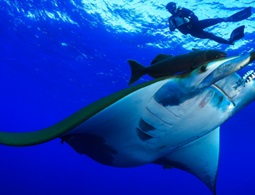
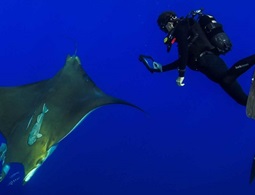
Devilrays soak up the sun’s heat then make some of the deepest and fastest dives ever recorded in the ocean.