

What comes next: Preparing students for a changing world
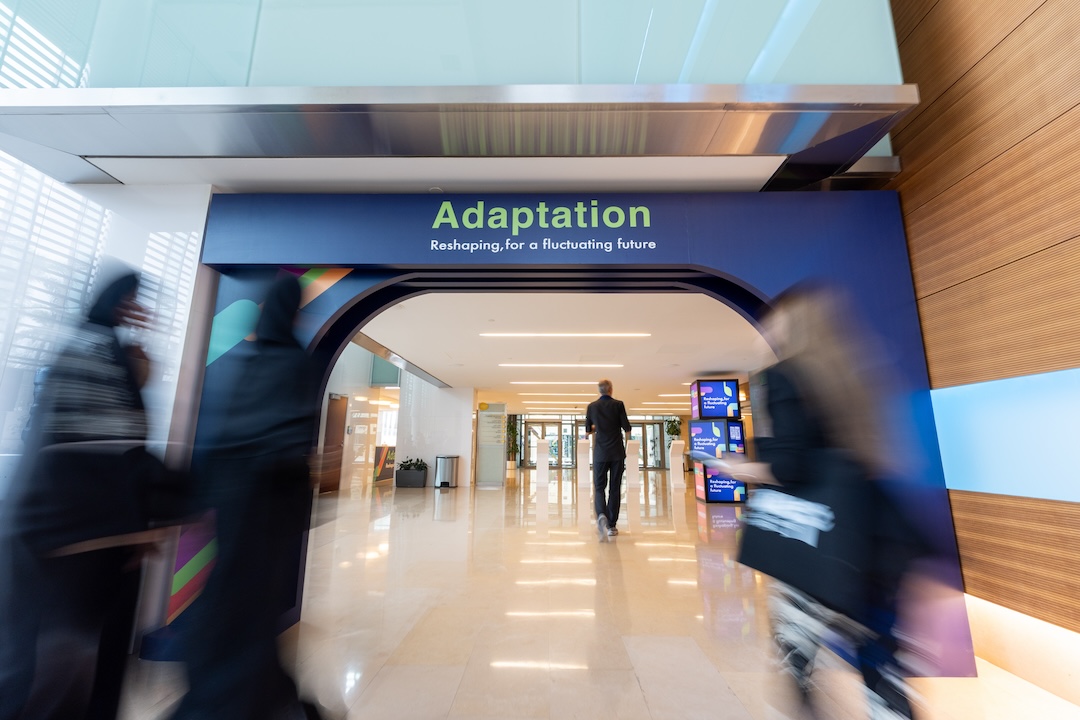
KAUST’s Winter Enrichment Program brought together students and young researchers under the theme “Adaptation: Reshaping for a Fluctuating Future.”
Change is inevitable, and King Abdullah University of Science and Technology (KAUST) approaches relentless uncertainty with optimism and innovation, grounded in preparing young changemakers for the benefit of both Saudi Arabia and the world.
This focus was reflected at KAUST’s Winter Enrichment Program (WEP) 2026, the University’s flagship education program, which brings together students and leaders from across the Kingdom to explore how science, ideas, and community help societies adapt and thrive.
Under the theme “Adaptation: Reshaping for a Fluctuating Future,” students and researchers at WEP examined how science, ideas, and community empower individuals and cultures to adapt and thrive amid disruption.
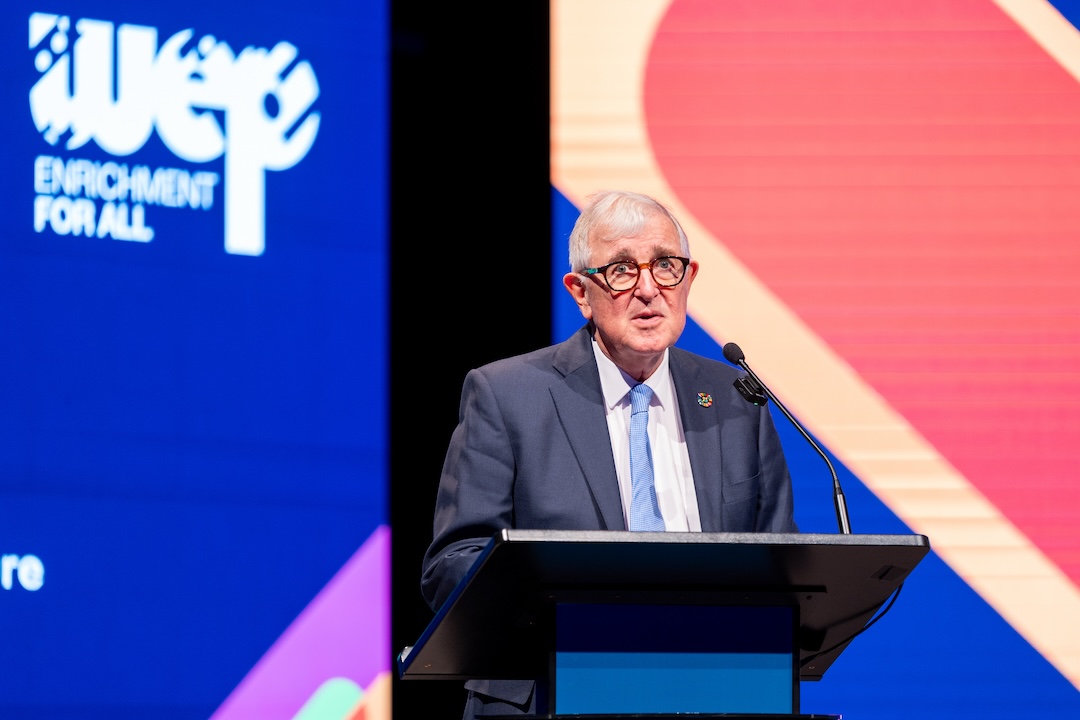
Sir Edward Byrne AC addresses participants during KAUST’s Winter Enrichment Program.
“Yes, there is more change — certainly in quantitative terms — than at almost any time in human history, and it is appropriate, indeed sensible at times, to have a degree of anxiety when you think about that,” said KAUST President Sir Edward Byrne AC. “But also, we have greater capacity. We have more tools at our command to deal with that change and lead to positive outcomes than we’ve ever had before.”
H.E. Dr. Abdulaziz Al Malik, deputy minister for research and innovation at the Ministry of Environment, Water and Agriculture (MEWA), told WEP participants that universities such as KAUST are key to Saudi Arabia’s ability to adapt. Challenges facing modern food systems and environmental resilience require sustained inquiry, interdisciplinary thinking, and the patience to pursue long-term impact, he said — conditions that KAUST is designed to address.
“MEWA’s partnership with KAUST is grounded in a simple idea: Adaptation happens when scientific excellence is connected directly to national missions, policy decisions, and real-world deployment. That alignment between research, policy, and adaptation is what turns knowledge into impact.”
Pushing boundaries in science, exploration, and personal growth
During his presentation, Mark Hannaford, founder of World Extreme Medicine, highlighted the Nabataean Traverse Expedition, a multidisciplinary scientific expedition planned for September 2026. The expedition will travel from Petra in Jordan to AlUla and Hegra in Saudi Arabia, bringing together microbiologists, archaeologists, and other specialists to collaborate and conduct research across extreme desert environments.
Hannaford noted that Professor Alexandre Rosado, bioscience at KAUST, will take part in the expedition, conducting research on extremophiles throughout the traverse.
Planned activities include microbiology research, archaeological studies, and the deployment of long-term wildlife camera traps, undertaken in collaboration with the Arabian Leopard Foundation Fund.
Dr. Alexandra Lockwood, director of strategic development at Computational Physics Inc., who served as a science specialist for outreach and special initiatives at KAUST from 2014 to 2016, described the total solar eclipse that will pass directly over the University in August 2027. She said the celestial event will offer both a rare spectacle and significant research potential. “This is an incredibly special, rare opportunity for the Kingdom to do science.”
Sharing insights from the world of sports, Saleh Al-Shehri, a professional football player who plays as a striker for Al-Ittihad and the Saudi Arabia national team, told young scientists and researchers at WEP that success is built on belief, discipline, and sacrifice. He emphasized that talent alone is never enough, noting that progress requires daily commitment, resilience in the face of challenges, and a willingness to adapt one’s life to long-term goals.
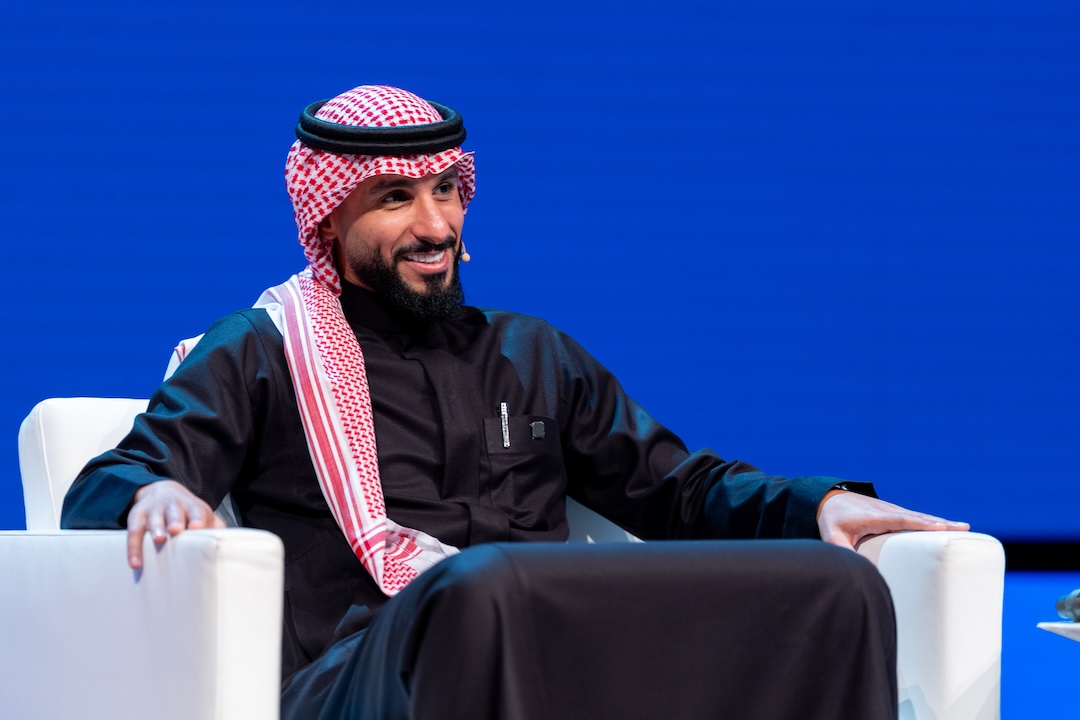
Saleh Al-Shehri shares insights on discipline and resilience with students during KAUST’s Winter Enrichment Program.
Above all, Al-Shehri stressed the importance of self-belief, encouraging participants to stay focused, work consistently, and trust themselves through setbacks. “If you don’t believe in yourself, no one will believe in you.”
Readying for uncertainty
Professor Deanna Lacoste, mechanical engineering, chaired WEP 2026 alongside co-chair Professor Atif Shamim, electrical and computer engineering. Lacoste said this year’s enrichment program explored “bold and brilliant ways” people can prepare for uncertainty through cutting-edge technologies, nature-based solutions, optimism, and education. “If we want to adapt to fast, unpredictable changes, we should learn how to do it.”
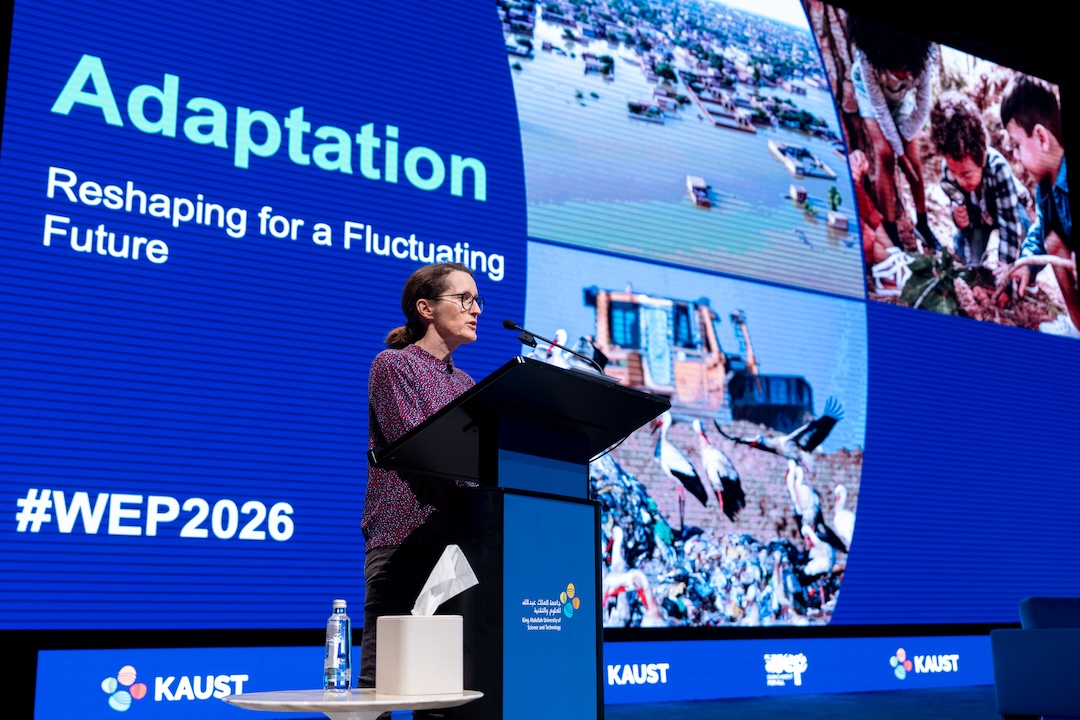
Professor Deanna Lacoste delivers remarks during KAUST’s Winter Enrichment Program.
Held January 13-22, this year’s engaging and transformative sessions included keynotes on adaptation, education, equity, energy transitions, resilience, and human performance, alongside creative showcases and interactive events examining how societies adapt and thrive amid global change.
Professor Arwa Al-Aama, vice president of education and advancement, said that more than 600 students from universities across Saudi Arabia participated in WEP 2026, reflecting KAUST’s commitment to nationwide education and community impact. “WEP is KAUST’s signature education event, designed to inspire students from within KAUST and beyond through events, projects, and talks that extend well past the traditional academic curriculum.”
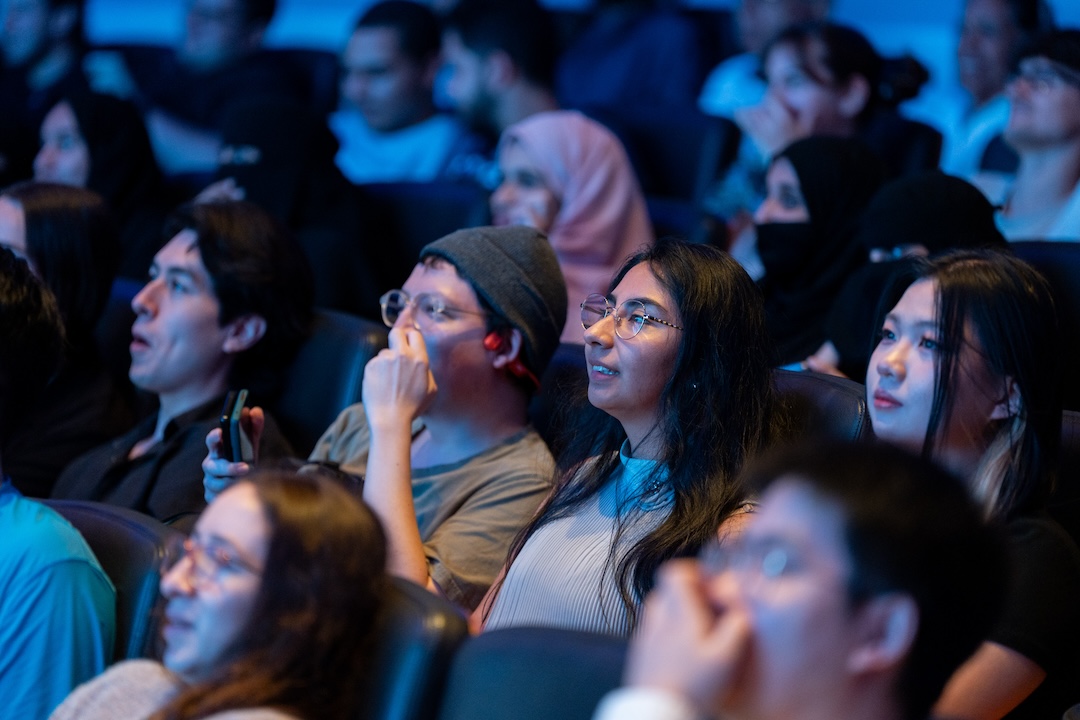
Attendees listen during a session at KAUST’s Winter Enrichment Program.
Through research, education, and global partnership, Sir Edward added, KAUST contributes to the Kingdom’s ability to adapt to environmental change, diversify its economy, and lead in science and innovation both locally and globally. “WEP 2026 brings this mission to life.”