

New study explores how cells respond to acidic stress
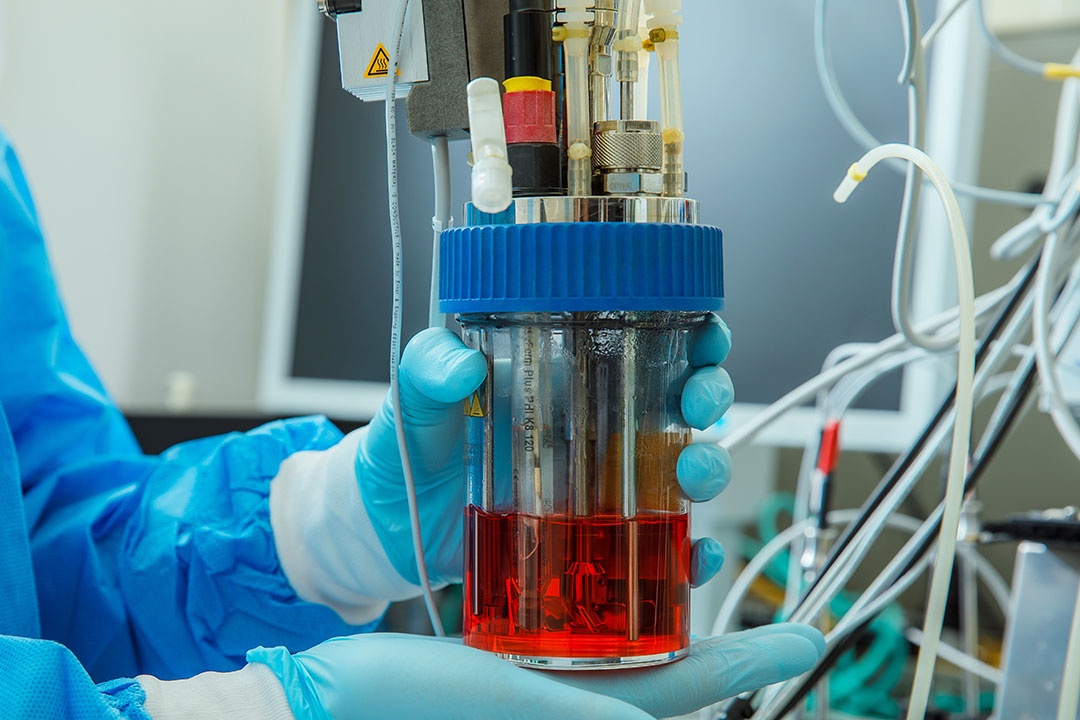
New research from King Abdullah University of Science and Technology (KAUST) shows that restoring a key cellular molecule involved in energy production can partially reverse the effects of acidic stress in human cells.
Published in Communications Biology, the paper examines how cells respond to slightly acidic conditions. While such conditions are common in tumors, inflamed tissues, and aging organs, their direct effects on cells are not well understood. Even mild extracellular acidity can disrupt healthy cellular function.
“Using a precisely controlled bioreactor system, we show that even mild acidity can significantly disrupt how cells generate energy, impair mitochondrial function, and trigger stress responses,” said KAUST Professor Mo Li, associate professor of Bioscience. Importantly, Li noted that supplementing cells with a widely studied longevity-related molecule can partially restore metabolic function and improve cellular health under acidic stress.
This matters because similar acidic conditions occur in diseases such as cancer and inflammation, suggesting the findings could help inform future strategies to protect cells and support human health.
Tissue acidity is well recognized as a feature of diseases such as cancer and chronic inflammation. However, its direct effects on human cells have remained poorly understood, in part due to limitations in experimental control. In this study, KAUST researchers used a rigorously controlled system to isolate the effects of pH from other variables.
Dr. Yingzi Zhang, a postdoctoral researcher, said the KAUST team has introduced a novel multi-omics framework linking acidity to metabolic reprogramming, immune activation, and mitochondrial genome instability, supported by integrated metabolomics, transcriptomics, and epigenomics datasets.
A mechanistic connection between acidic stress and nicotinamide adenine dinucleotide (NAD⁺) metabolism points to a potential intervention strategy, noted. The bioreactor platform used in this study builds on earlier research in collaboration with Professor Carlos Duarte’s lab, which developed a gas-controlled system that precisely regulates physiological parameters such as pH and oxygen, enabling more accurate modeling of in vivo-like environments.
“Together, these findings provide the first multi-omics characterization of human cellular responses to acidic pH in a controlled environment and identify underlying pathways and potential targets for further study and intervention,” said Dr. Samhan Alsolami, a KAUST PhD graduate and currently an Ibn Rushd Fellow, adding that the researchers identify NAD⁺ depletion as a key mechanism underlying these effects and show that restoring NAD⁺ levels through NMN supplementation partially restores cellular function and reduces mitochondrial dysfunction.
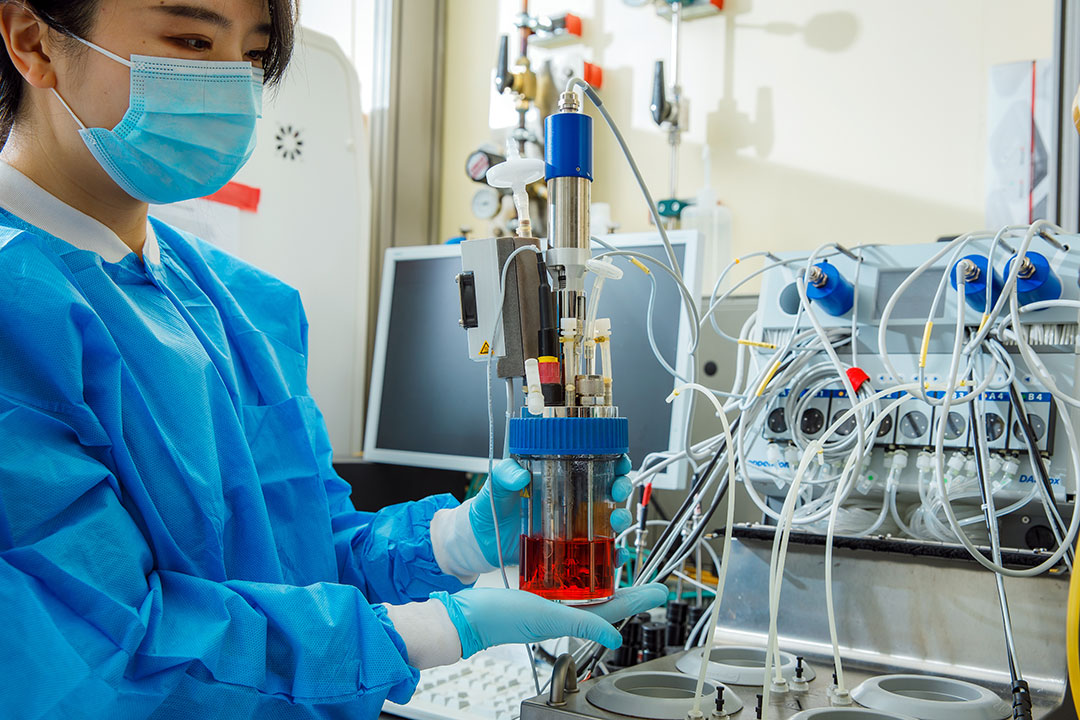
The findings align with KAUST’s broader research priorities in health and aging, particularly in understanding how cellular metabolism responds to stress. This collaborative effort involved multiple groups within KAUST, including those led by Li, Duarte, and Professor Pierre Magistretti, vice president for research, alongside other KAUST researchers and global partners such as Altos Labs in the United States.
Alsolami said the findings suggest acidity is not merely a byproduct but an active driver of cellular dysfunction, with implications for tumor biology and cancer progression, aging-related metabolic decline, and environmental and physiological factors affecting systemic pH. Identifying NAD⁺ restoration as a potential intervention also connects the work to broader research in metabolism and longevity.
“The findings have broad international relevance,” Alsolami said. “Mild acidification is a common feature across multiple conditions, including cancer, aging, metabolic disorders, and inflammatory diseases.”
Li added that the results highlight acidity as a driver of disease processes. “They also point toward potential strategies to protect cells and restore metabolism under conditions of elevated tissue acidity.”