

Exploring microbial potential for space and Saudi Arabia
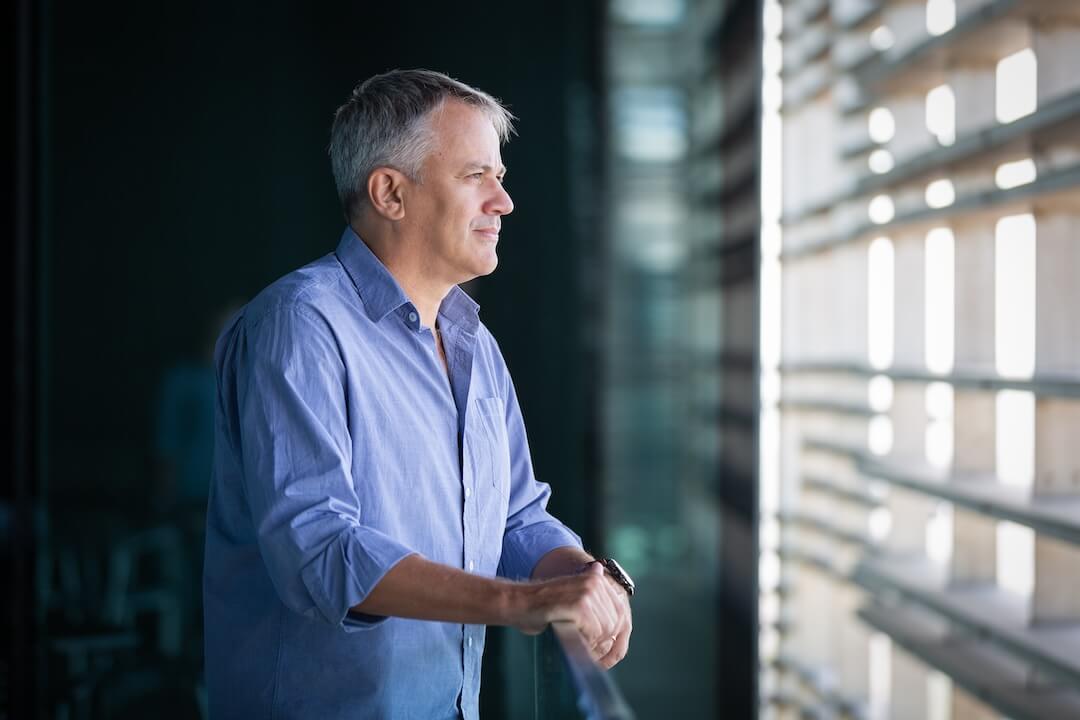
Professor Alexandre Rosado researches extremophile microbes at KAUST, connecting Saudi Arabia’s unique environments to space science and biotechnology.
At the final microbial frontier, Professor Alexandre Rosado sees King Abdullah University of Science and Technology (KAUST) as a launchpad for discovery, collaborating with global space agencies and linking Saudi Arabia’s most extreme environments to the possibilities of life at home and beyond Planet Earth.
“KAUST is an amazing place to work, and it always supports my research — sometimes even my ‘crazy, in a good way’ ideas,” Rosado said. The microbial ecologist and professor of bioscience leads interdisciplinary research on microbial diversity, microbiome-based technologies, and extremophiles.
His passion for science is shaped by a sense of adventure rooted in a military upbringing. “I come from a military family. Obviously, I followed a different path, redirected toward biology, discovery, and impact.”
Growing up in Brazil, Rosado was “extremely curious” about nature, studying insects and running experiments by age seven. His journey led to a bachelor’s degree in biology at the Universidade Federal do Rio de Janeiro. Rosado recalls falling in love with microbiology. “From that first microbiology class, I understood that microbes were not invisible details of life — they were central players in how the planet works.”
After earning his master’s degree and later a Ph.D. in microbiology from his Brazilian alma mater and Wageningen University and Research in the Netherlands, Rosado began work in bioremediation, identifying microbes capable of cleaning oil spills — work he would soon move from laboratory discovery to real-world environmental intervention in one of Earth’s most extreme environments.
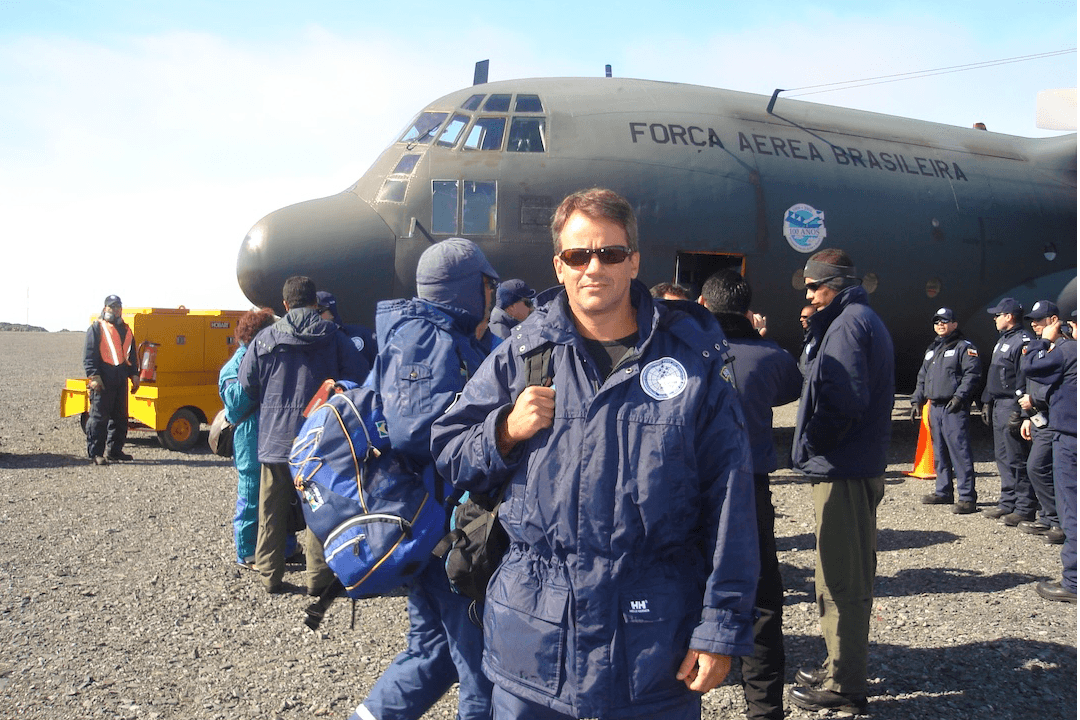
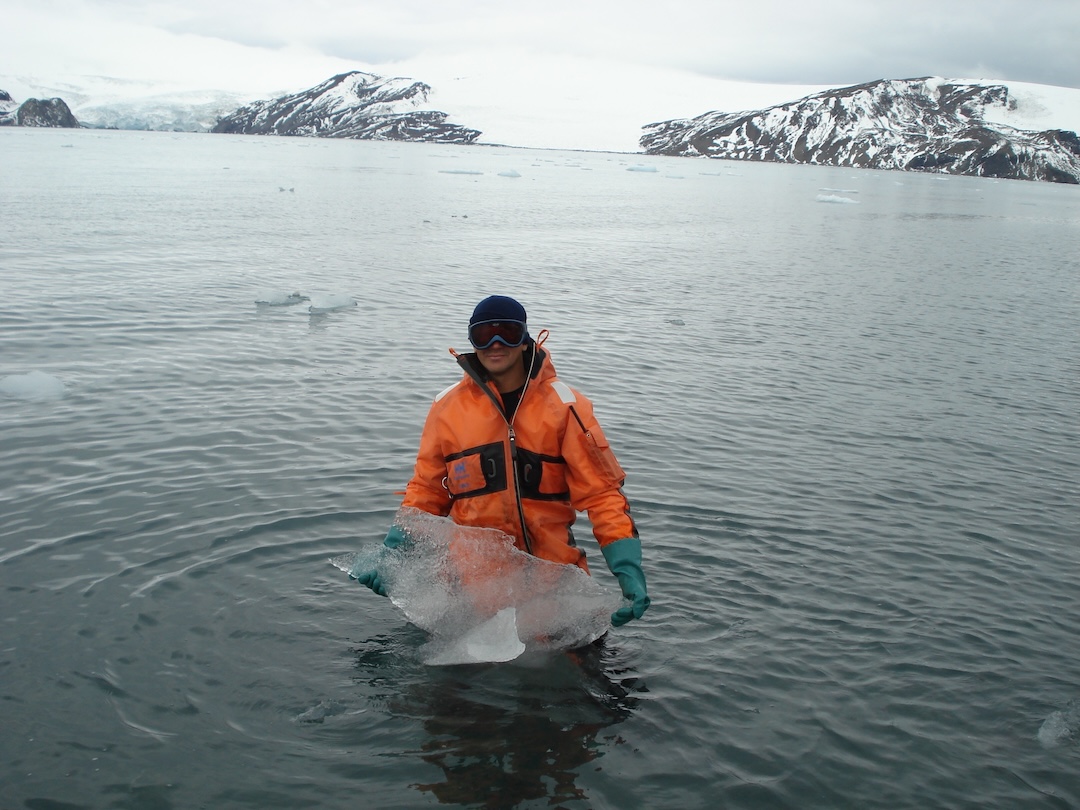
“I started working on microbes from Antarctica, describing the microbial diversity and trying to understand how microbes could not only survive but also thrive below freezing temperatures,” he said, adding that a diesel spill and fire broke out at Brazil’s Comandante Ferraz Antarctic Station, leaving a substantial environmental mess. “I was invited to put in place a protocol to try to clean up that diesel. And we did it.”
He later became a full professor at the Universidade Federal do Rio de Janeiro and a visiting professor at the University of California, Davis, and served as director of the Institute of Microbiology and vice president of the Brazilian Society for Microbiology. Then, in 2020, KAUST offered a new scientific frontier.
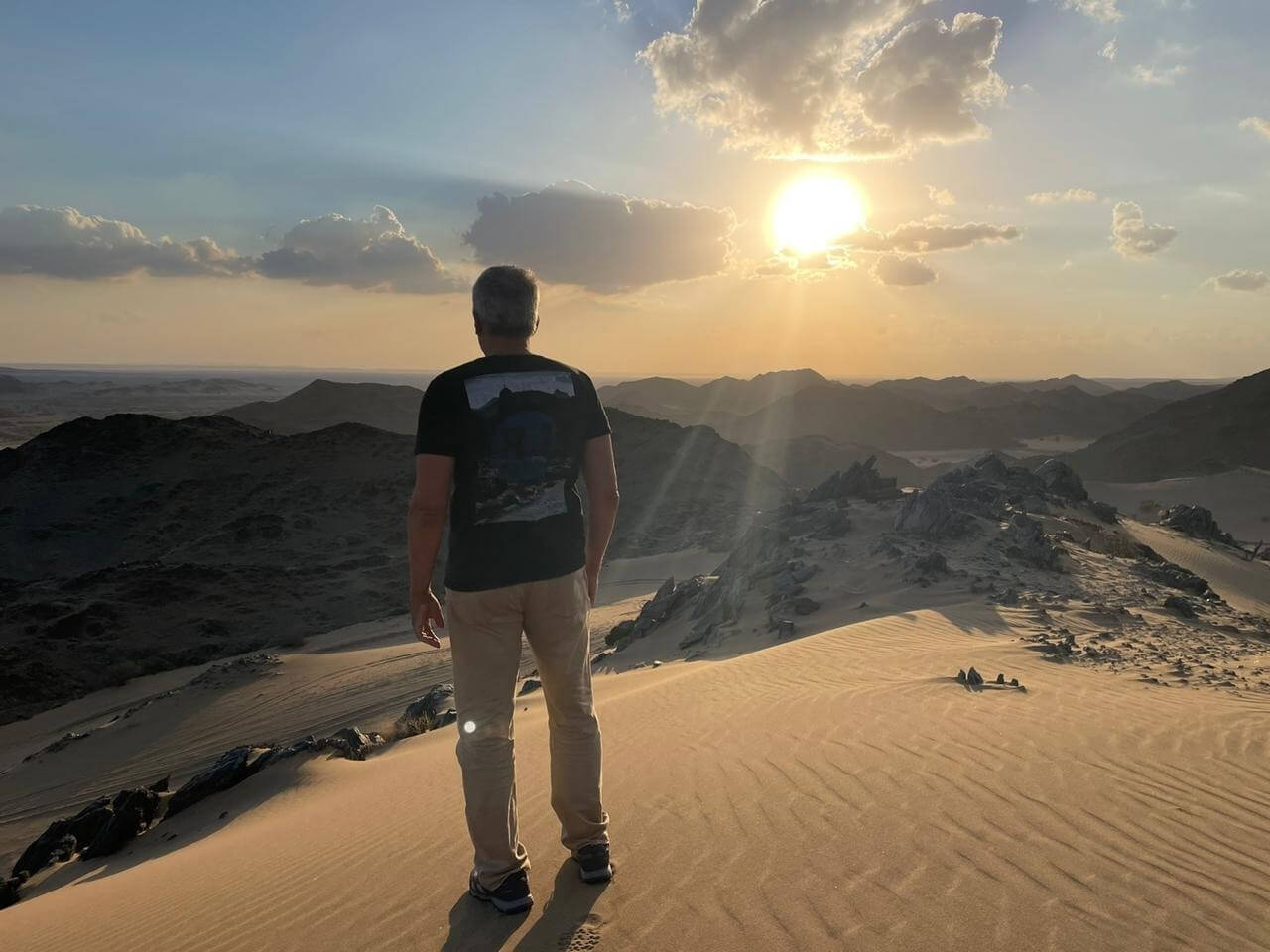
“I changed extreme environments, going to the amazing ecosystems of Saudi Arabia,” Rosado said. “It’s not only a desert. It’s different deserts — rock deserts, sand desert, deserts that even get snow in the Tabuk region. And there are also many volcanoes. There are hydrothermal vents deep in the Red Sea. There are brine pools. You would think nothing could survive in these places, but actually there are microbes thriving in them.”
At KAUST, he has built a research program around these unique organisms. His work sits at the intersection of fundamental discovery and application: understanding how microbes survive at the limits of life, and translating that knowledge into microbial-based solutions for environmental restoration, agriculture, human exploration, and planetary protection. In some ways, Rosado’s path into astrobiology and space microbial biotechnology seems inevitable.
Microbiology: where science fiction becomes strategy
If you ask Rosado about the film and novel Project Hail Mary, he will tell you he loved it — a “hard sci-fi” story centered on an interstellar microbe that thrives in the most extreme conditions. In real life, he has not only considered such extraterrestrial microbiology; he has also examined the importance of including microbes in space exploration and colonization. His laboratory at KAUST is developing related solutions from the Kingdom’s own microbial abundance.
“For example, extreme microbes could help us begin building proto-soils for Mars-like environments,” Rosado said. But the work is not only about space: the same microbial capabilities may help improve the fertility and resilience of dry Arabian desert soils under extreme temperatures, salinity, and radiation, he added.
In his lab, these organisms already show that dual potential. “We isolate microbes from Saudi volcanoes that can survive high doses of radiation and high concentrations of perchlorate,” Rosado explained. These traits offer “a realistic biological starting point for asking how life could persist under Mars-like stress — and how we might one day use microbes to support life beyond Earth.” In theory, such microbes could survive on Mars.
Likewise, his lab studies microbes that produce powerful carotenoids — natural pigments that absorb and dissipate excess solar radiation. These compounds could provide nature-based sunscreen to protect human cells without harming sensitive organisms such as corals, Rosado noted. They could also shield equipment in space from solar and cosmic radiation. “Our goal is to transform extremophiles from scientific curiosities into platforms for innovation. They carry biological solutions that evolution has already tested under extreme conditions.”
He added: “This is why I started working with space research. I began collaborating with colleagues from NASA several years ago, mainly in astrobiology and space microbial technology. They needed expertise in organisms that thrive under extreme conditions — and that has been the central thread of my career.”
Helping shape the rules for responsible space exploration
Representing KAUST on the global stage, Rosado was recently invited to join the Planetary Protection Ad Hoc Working Group led by NASA, which promotes responsible exploration of the solar system by developing and implementing measures to protect scientific integrity, explored environments, and Earth.
KAUST strongly supports his research and has provided the intellectual freedom, infrastructure, and international connectivity needed to turn ambitious ideas into globally relevant science — from collaborations with NASA, other international partners, and the Saudi Space Agency to advancing the Kingdom’s role in space exploration, he said.
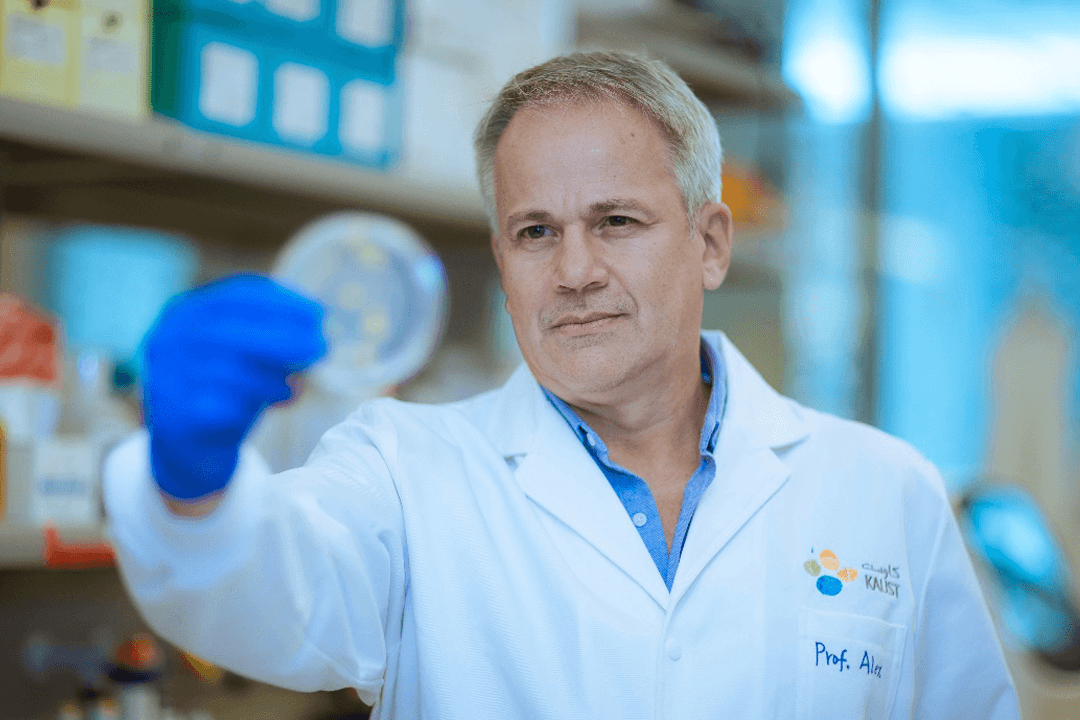
Rosado highlighted the University’s investment in a planetary chamber that allows researchers in his lab to simulate conditions on other planets.
“This chamber is not just a sophisticated instrument. It’s something super powerful built in our lab that aligns with the new missions at KAUST. Saudi Arabia has extraordinary microbial resources. If we understand them properly, they can contribute to solutions for food, energy, agriculture, environmental restoration, and even future space systems.”
Rosado’s planetary protection appointment followed KAUST research he led last year in collaboration with NASA’s Jet Propulsion Laboratory and several institutes across India, identifying 26 new bacterial species in spacecraft assembly facilities, with genes that make them resilient to radiation and other harsh space conditions.
“Saudi Arabia is exceptionally well positioned to become a hub for biotechnology and space biology,” Rosado said. “There is no serious future for space exploration, life-support systems, or planetary resilience without microbes in the equation — and here in the Kingdom, we have the environments, the ambition, and the scientific infrastructure to lead.”
Discipline, exploration and scientific leadership
Despite choosing a different path from his family’s military tradition, Rosado sees clear parallels between the two worlds — discipline, resilience, and a drive to explore. Whether working at remote Antarctic research stations or with space agencies, he said, a military presence is commonplace, and his familiarity with that culture helps as well. His father once marked Rosado’s academic success with a military-style tribute, “promoting” him to captain in life.
“It was his way of saying he was happy with me,” Rosado recalled. At KAUST, a similar energy has carried throughout his academic career, earning recognition from his peers, including his election as a fellow of both The Explorers Club and the American Academy of Microbiology in 2025. “It’s a good combination. It tells me that people are recognizing this science and that exploration can lead to scientific outcomes.”
Today, at KAUST, the same spirit that first fueled Rosado’s curiosity is pushing the boundaries of life on Earth and beyond, positioning the University and the Kingdom at the forefront of a new era of scientific discovery and impact — where microbes are no longer seen as invisible passengers, but as fundamental drivers of resilience, innovation, and exploration.