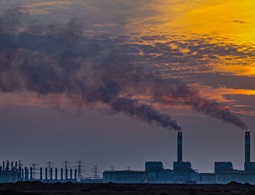
Sediments reveal core stressors on Red Sea ecosystems
Analyses of sediment cores highlight declining nutrient availability and increased trace metal pollution in the Red Sea.
Analyses of sediment cores highlight declining nutrient availability and increased trace metal pollution in the Red Sea.
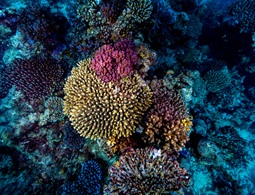
An emerging conservation strategy could help wildlife to become more resilient against a range of environmental threats.

Long-term satellite data shows a significant cooling effect of vegetation on land surface temperature.
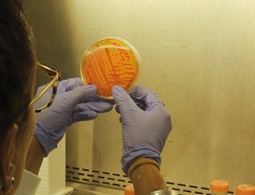
The ability of marine microbiomes to respond to thermal variations in their habitats is controlled by enzyme adaptation.
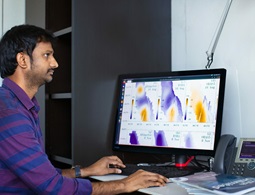
A data-driven modeling system that reconstructs oceanic circulation of the Red Sea highlights the importance of developing region-specific historical datasets.
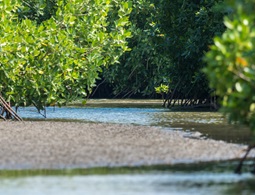
Marine ecosystem models should account for vast fluctuation in dissolved oxygen.
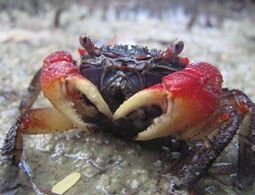
The role that seabed species and plants play in mixing sediments in mangroves could help to support responses to ecosystem stress and to aid regeneration.
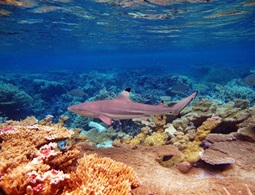
Surprising changes to a Pacific Ocean current during one of the strongest recorded El Niños saved a remote island’s coral reefs while others were devastated by mass bleaching.
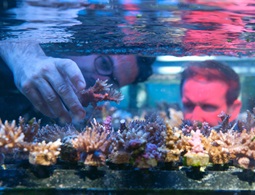
Minimalist art has inspired a set of tools to maximize coral restoration.
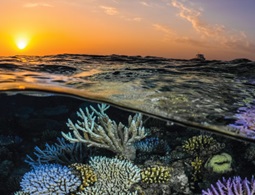
While corals die out worldwide, resistant reefs in the northern Red Sea could endure a dire global warming scenario.

Laboratory parameters maintained at physiologically relevant levels allow for more robust experiments with human cells.
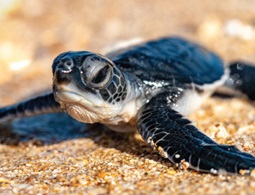
Sea turtles nesting along Saudi Arabia’s Red Sea coastline highlight the need for emerging megacities to protect marine habitats.