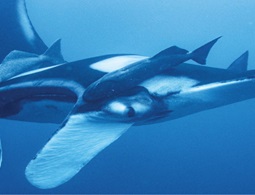
Red Sea may have a nursery for oceanic manta rays
A citizen science project uncovers new details about the lives of oceanic manta rays in the Red Sea, including a possible nursery site.
A citizen science project uncovers new details about the lives of oceanic manta rays in the Red Sea, including a possible nursery site.
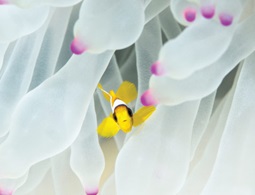
Time is running out, say researchers who are proposing a framework to guide the safe use of microbes to restore global biodiversity loss.
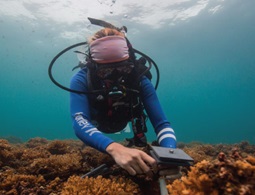
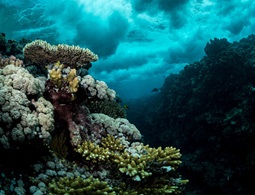
A standardized method for monitoring the condition of coral reefs could strengthen global efforts to manage vulnerable marine habitats.
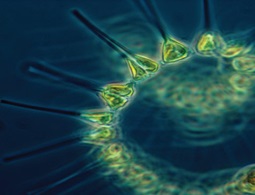
Satellite data analysis lays a foundation for future studies on the impact of climate change on the Red Sea ecosystem.
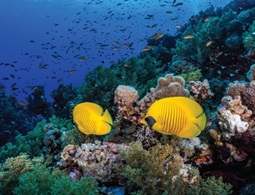
Restoration processes to increase the resilience of corals are needed to counter environmental pressures from climate change.
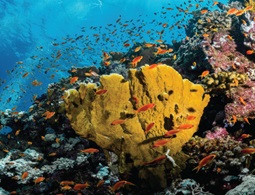
Corals face a grim future over the coming decades and researchers urge faster efforts to reduce global emissions and to enhance coral reef resilience.
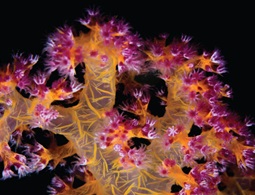
Probiotic treatment prevents the death of corals from heatwaves.
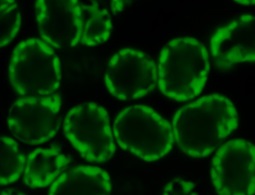
The weird and wonderful genome of dinoflagellates looks nothing like other eukaryotic genomes.
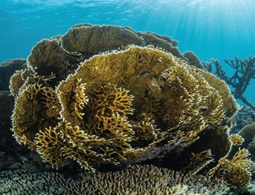
Coral ancestors had the genetic toolkit to make skeletal structures and only took simple evolutionary steps to begin building reefs.
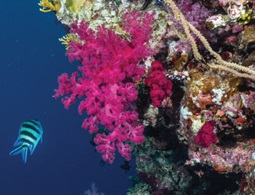
Heat stress disrupts the physiological processes of corals prior to clear signs of bleaching, with implications for adaptation strategies for coral reefs in a warming climate.

National lockdowns have provided a unique opportunity to assess the effects of human activity on wildlife, which could translate into new attitudes and better policies.
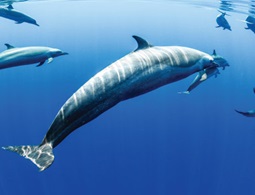
For the sake of marine life, international collaboration is required to reduce undersea sounds.