

First global assessment of marine ecosystems during a year when warming exceeded 1.5°C
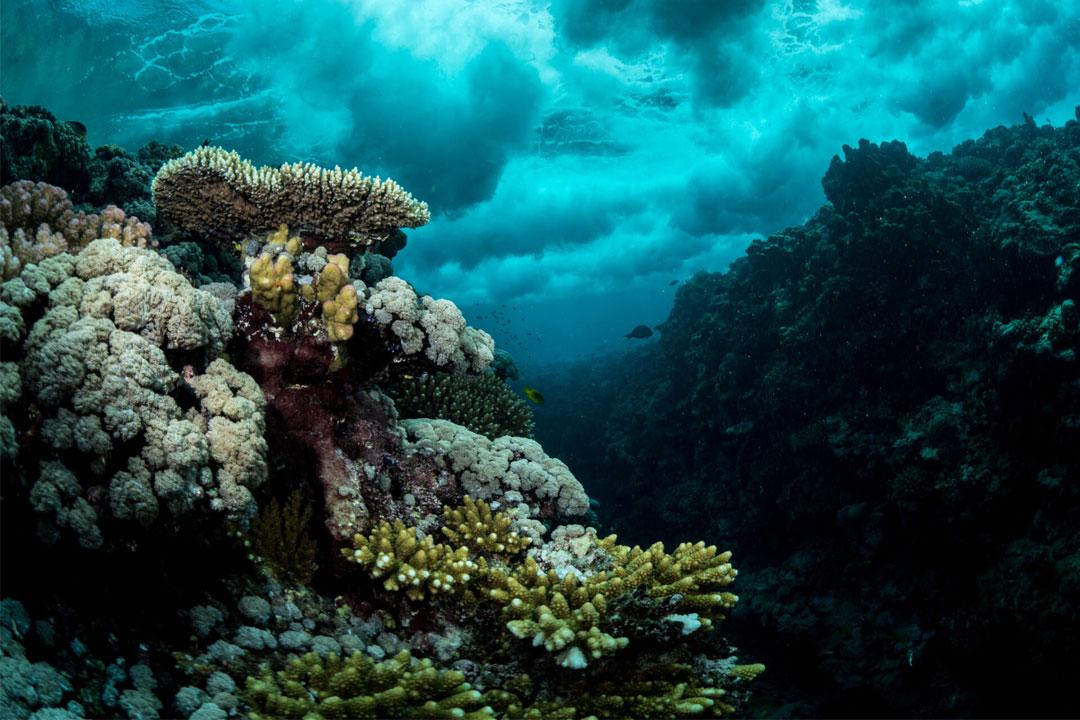
Researchers document more than 200 marine ecosystem impacts worldwide, revealing that ocean heat-related disruptions are occurring throughout the year, not only during summer heat extremes
Researchers at King Abdullah University of Science and Technology (KAUST) have led one of the first global assessments of how marine ecosystems responded during the first year when global temperatures temporarily exceeded 1.5°C above pre-industrial levels.
Healthy marine ecosystems support biodiversity, fisheries, tourism, and economic development around the world, yet scientists have lacked a global picture of how marine life responds when challenged with rising sea temperatures during periods when global warming exceeds 1.5°C — a benchmark identified in the Paris Agreement as important for limiting the most severe impacts of climate change.
The study analyzed 201 ecological impact events across the world's oceans, drawing on scientific literature, monitoring programs, and documented observations from around the world, to create one of the largest and most comprehensive records assembled to date of marine ecosystem impacts during an unprecedented period of ocean warming.
Published in One Earth, the study documented impacts ranging from coral bleaching and harmful algal blooms to species mortality, habitat disruption, and fisheries impacts.
The study found that impacts were not limited to traditional summer marine heat extremes. While many events occurred during warmer months, researchers identified widespread ecological disruption throughout the year, suggesting that current monitoring and preparedness efforts may overlook important risks occurring outside conventional heatwave seasons.
Led by researchers at King Abdullah University of Science and Technology (KAUST), the study brought together an international team of scientists who compiled and verified reports from peer-reviewed research, government agencies, environmental organizations, monitoring programs, and news media across 17 languages.
"This study provides a real-world snapshot of how marine ecosystems responded during an exceptional period of ocean warmth," said Dr Shannon Klein, lead author and Research Scientist at KAUST.
"One of the clearest findings was that impacts were not confined to traditional summer heat extremes. We found evidence of ecological disruption across seasons, which suggests that understanding and responding to ocean warming requires year-round monitoring and assessment.”
Researchers found that 98 percent of documented ecological impacts were associated with unusually warm sea temperatures. Many of the documented events involved significant impacts on marine species, habitats, and ecosystems. While unusually warm conditions were linked to the vast majority of documented impacts, the study also identified other drivers, including major storms and other extreme weather events. The findings highlight how multiple environmental pressures can interact to shape the health and resistance of marine ecosystems.
The researchers identified potential patterns of heightened vulnerability and exposure across different ecosystems and regions through the study. While the research was not designed to predict future impacts, the authors note that these patterns may help scientists and policymakers better understand where ecological and socio-economic risks may increase if global warming remains near current levels or continues to increase.
As Saudi Arabia continues to invest in marine conservation and the growth of its blue economy, understanding how ocean ecosystems respond to changing environmental conditions is becoming increasingly important.
"Marine ecosystems are influenced by a combination of factors, including ocean warming and extreme weather events. Studies such as this help us understand those interactions at a global scale while providing knowledge that can support monitoring, conservation, and resilience efforts in regions such as the Red Sea," said Carlos Duarte, Distinguished Professor of Marine Science at KAUST and senior author of the study.
The researchers stress that the study was designed as a rapid assessment of ecological impacts during an unprecedented period of ocean warming, requiring future validation as impacts continue to unfold. They hope the findings will help inform future monitoring systems, preparedness planning, and marine conservation efforts.
The findings highlight the importance of year-round marine monitoring to better understand how ecosystems respond to changing ocean conditions and to support future conservation and management efforts.