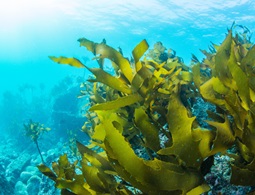
Weeding out the secrets of Red Sea macroalgae
An analysis of chemical elements found in macroalgae from the Red Sea provides insights into regional blue carbon stores and worrying pollution trends.
An analysis of chemical elements found in macroalgae from the Red Sea provides insights into regional blue carbon stores and worrying pollution trends.
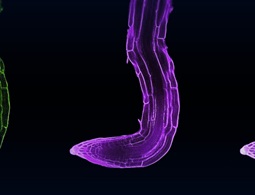
Uncovering the mechanism of how soil bacteria improve plant resilience to drought and salinity could be important for mitigating effects of climate change on crop production.
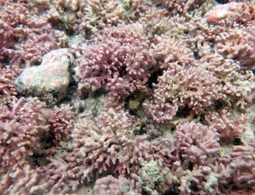
A chance discovery on the Palmyra Atoll in the tropical central Pacific enables researchers to take a close look at coralline algae ecosystems.
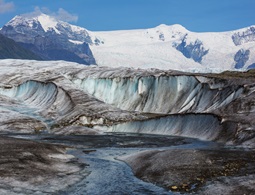
As glaciers shrink, a major study reveals remarkable biodiversity across the world’s glacier-fed streams, providing a global reference for future climate-change microbiology studies on this vanishing ecosystem.
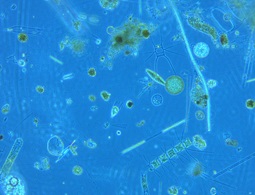
Sediment-core analysis highlights clear shifts in regional phytoplankton community trends following urbanization and industrialization on the coast of the Arabian Gulf.
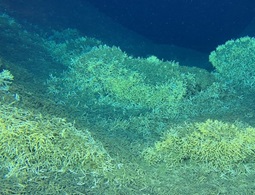
A habitat suitability study suggests that two stony coral species may form significant deep-sea frameworks across the northern Red Sea and Gulf of Aqaba.
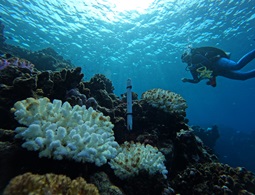
Reliable and standardized ocean temperature monitoring is crucial for advancing our understanding of coral survival and guiding restoration efforts.
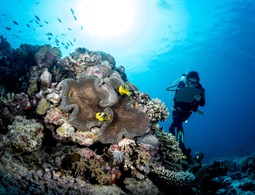
Coral reef restoration is a vital tool for protecting these vital ecosystems.
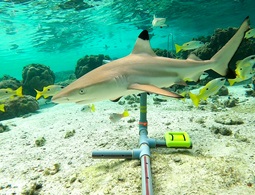
Finding a balance between the needs of shark fishers and the risk of unsustainable fishing is critical to the future management of small-scale shark fisheries.
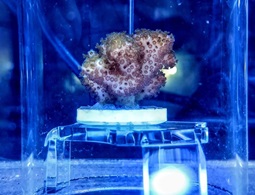
Beneficial bacteria localize and flourish within coral tissues, boosting resilience to heat and other stressors.
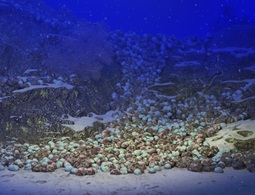
A detailed oceanographic survey reveals spherical nodule structures supporting life on the floor of the Red Sea.
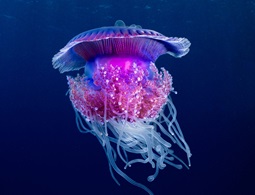
An open-access catalog of the global ocean genome offers novel taxonomical and functional insights and unlocks the potential of blue biotechnology