

Plant diversity predicts resistance to grazing pressure on drylands
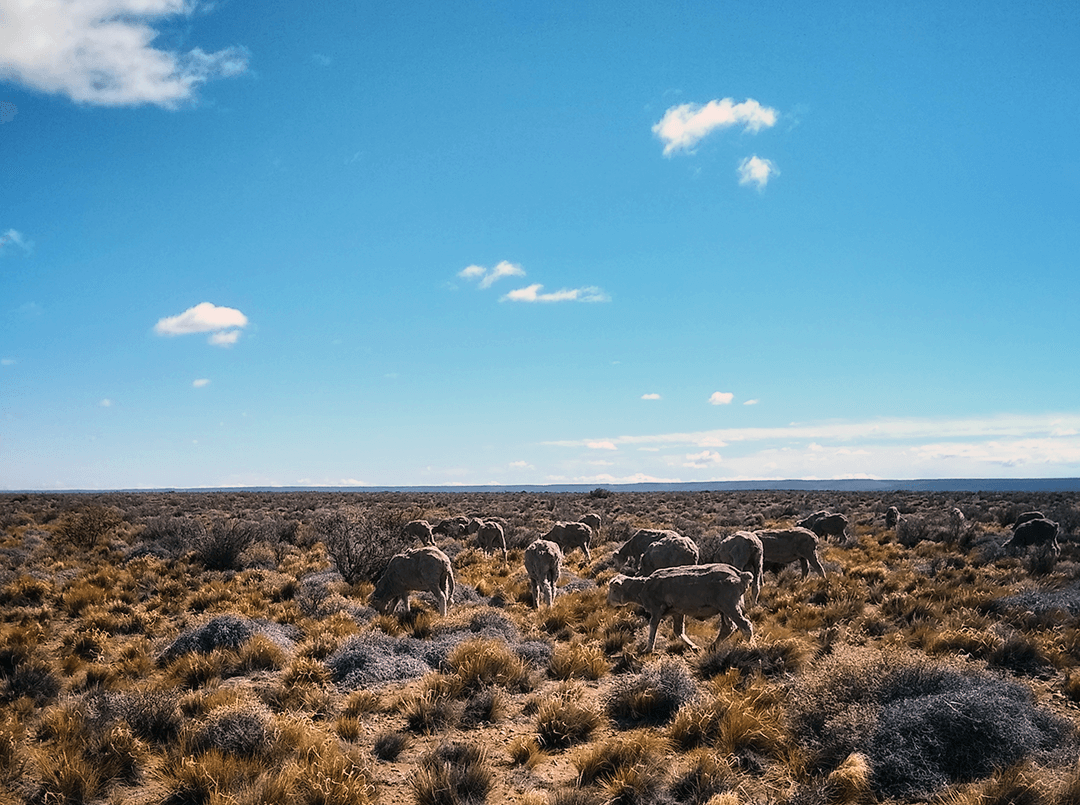
New research led by scientists at King Abdullah University of Science and Technology (KAUST) reveals that plant species diversity is a stronger predictor of how dryland ecosystems respond to grazing pressure than climate, soil conditions or livestock type. Where plant communities are more diverse, vegetation cover is more likely to be maintained as pressure increases.
Drylands support around half of global livestock production and sustain the livelihoods of close to a billion people, while also underpinning soil stability and carbon storage. As grazing pressure intensifies in many regions, understanding what enables these systems to remain productive without degrading is increasingly important.
Published in Nature Ecology & Evolution, the study has conducted one of the most comprehensive field assessments of grazed drylands to date, based on data from 73 sites across 25 countries spanning six continents. Using consistent field methods, the researchers compared vegetation under low and high grazing pressure across grasslands, shrublands, steppes and savannas.
Across the sites studied, increased grazing reduced vegetation cover in most cases, with an average decline of 35 percent. However, the magnitude of loss varied widely. When multiple drivers were analyzed together — including rainfall, temperature, vegetation type, soils and grazing characteristics — plant species richness emerged as the strongest predictor of ecosystem resistance.
“What stood out was how consistently diversity mattered,” said Lucio Biancari, corresponding author of the study and a researcher at KAUST. “Even across very different dryland systems, ecosystems with a wider range of plant species were better able to retain vegetation cover under grazing pressure.”
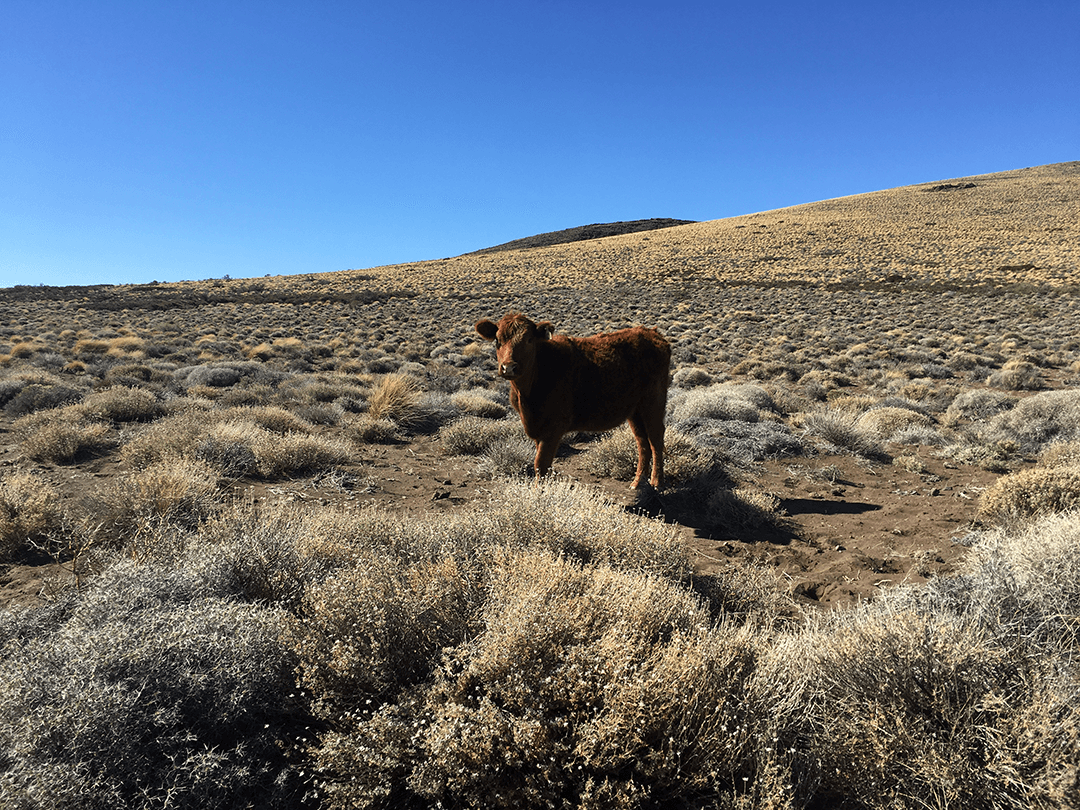
The explanation lies not in the number of plants alone, but in how species respond differently to stress. More diverse communities contain a broader mix of strategies — from tolerance and recovery to avoidance — which distributes grazing pressure across species rather than concentrating it. In less diverse systems, that buffering capacity is reduced, and vegetation loss occurs more rapidly.
The study also challenges assumptions about vegetation types. Shrub-dominated systems were not inherently more resistant. Where shrubs displaced herbaceous plants and reduced overall diversity, resistance tended to be lower, suggesting that ecological variety matters more than dominance by any single plant form.
Across the world’s drylands, grazing pressure is rising, but its effects are uneven. In some landscapes, vegetation declines quickly as pressure increases. In others, plant cover remains surprisingly stable, even under sustained grazing. The findings arrive at a timely moment, as the United Nations marks 2026 as the International Year of Rangelands and Pastoralists, drawing global attention to the ecological and economic importance of grazed landscapes and the need for evidence-based management.
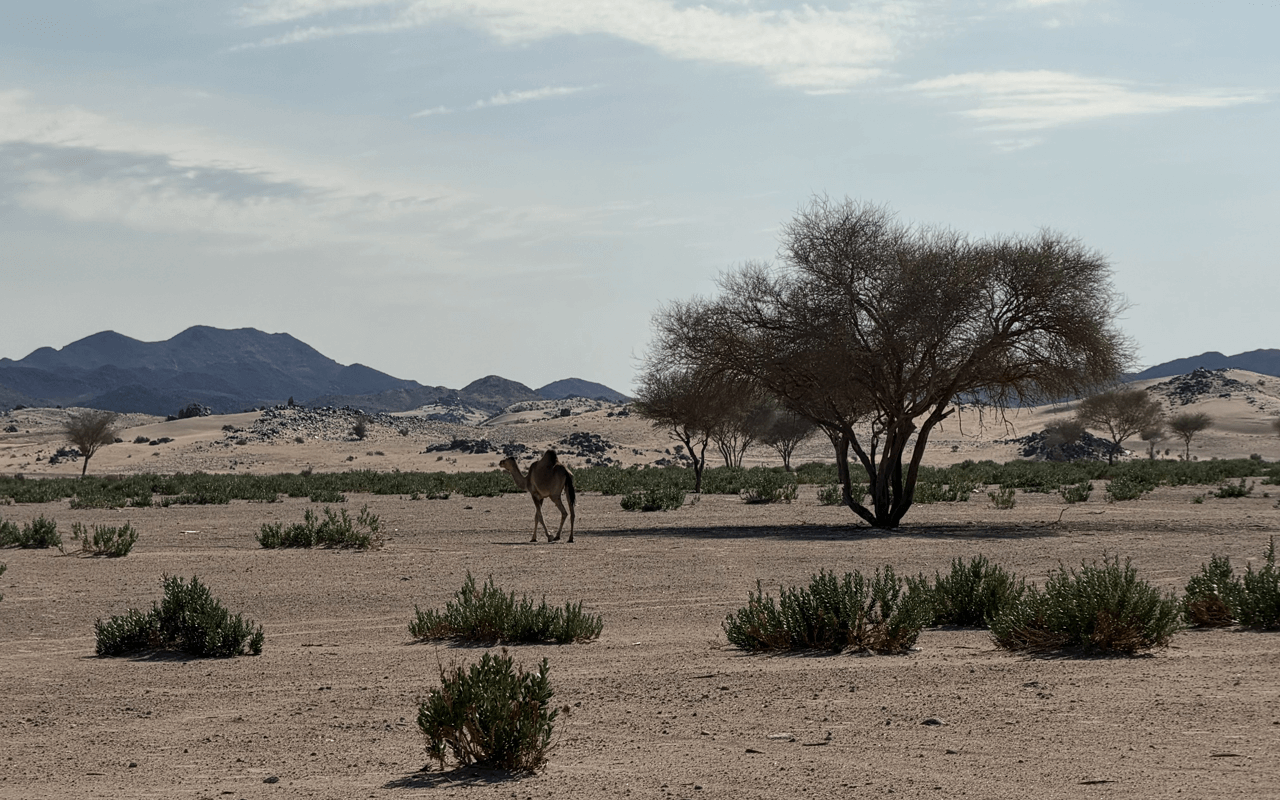
The implications are particularly relevant for Saudi Arabia, where grazing remains the dominant land use across much of the Kingdom’s drylands. Rangeland degradation is a recognized sustainability and food security concern in arid environments. By identifying the key role of plant diversity to ecosystem resistance, the research strengthens the scientific foundation for land restoration and sustainable grazing initiatives underway across the region.
Fernando Maestre, Professor at KAUST and senior author of the study, said the findings help reframe how resilience in drylands is understood. “Grazing pressure does not impact all landscapes uniformly” he said. “Where plant communities are biologically diverse, pressure is distributed across different ecological strategies. Where diversity has been eroded, the same level of use can lead to much faster decline.”
By bringing together comparable field data from across continents, the KAUST-led study moves beyond local case studies to reveal a consistent global pattern. It clarifies the ecological conditions under which grazed drylands are more likely to remain stable under growing land-use pressure.