Disease severity linked to N protein of SARS-CoV-2
Insight into the function of the nucleocapsid protein could help develop drugs that reduce coronavirus impact.
Insight into the function of the nucleocapsid protein could help develop drugs that reduce coronavirus impact.
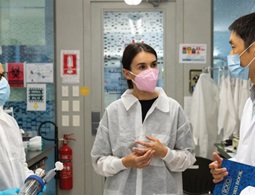
Cell processes and research reproducibility may be significantly impacted by changes in batch cultures as cells grow. More monitoring and improved procedures are needed.
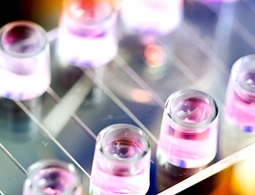
Molecules move within elongated protrusions to help stabilize migrating cells inside the bloodstream.
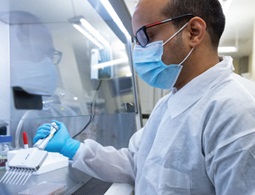
An in vitro cellular model that mimics the initial phase of human embryo creation could improve understanding of infertility.
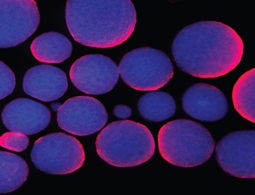
The biomedical research community needs to do more to ensure their findings are relevant and reproducible.
An approach that reduces the computational power required to analyze huge amounts of DNA data for identifying new microbes and their proteins could be used for manufacturing anything from new antibiotics to plastic-degrading enzymes.

Honing a growth chamber cultivation technique leads to the identification of novel bacteria from Red Sea mangrove sediments.
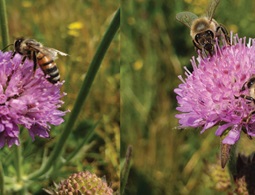
Honeybees bring back more than just nectar from their floral feasts and these microbes may help them survive turbulent times.

Detailed and extensive genome sequencing of a subspecies of rat-infecting malaria parasites should instruct human malaria research.

A lot happens and changes within a thin one-meter-thick transition layer between deep Red Sea water and an expansive underlying brine lake.
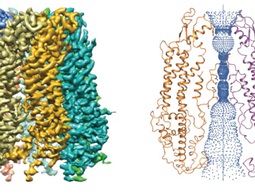
Combining expertise has shed new light on how cells self-destruct during microbial infection.
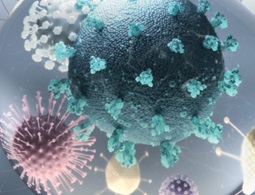
New method can simultaneously diagnose cases, track variants and detect co-infections.