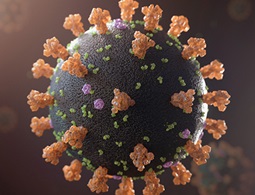
Studying COVID-19’s envelope protein
A likeness between genes of the SARS and COVID-19 viruses could inform research into potential treatments.
A likeness between genes of the SARS and COVID-19 viruses could inform research into potential treatments.
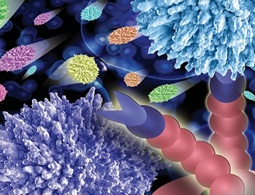
An assay for imaging the physical interactions between multiple cell populations could help cancer research and treatment assessment.
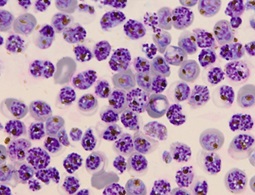
Discovery of a malaria parasite’s internal clock could lead to new treatment strategies
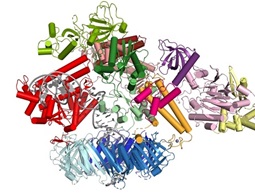
Structural details of an enzyme complex shed light on DNA replication.
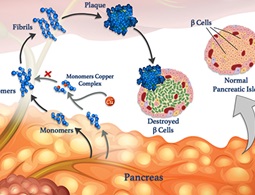
Copper ions could play a key role when peptide folding goes wrong and leads to harmful aggregates.
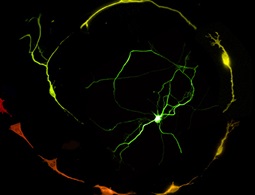
The conversion of skin cells into brain cells relies on proper insertion of L1 elements.
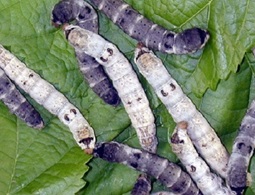
E-selectin is grown in silkworms for the first time, revealing new aspects of its binding dynamics.
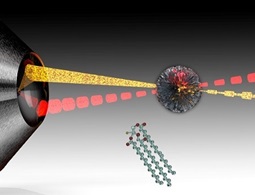
Laser-based microscopes can tune into multiple biomolecular signatures found in cancer cells.
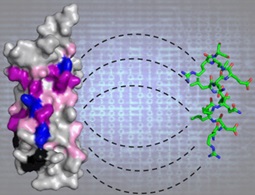
A machine learning method has identified highly elusive amino acid sequences involved in cell morphogenesis and adhesion and in diseases like cancer.
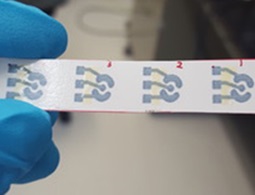
What do an electrical engineer, an organic chemist, a materials scientist and a cell biologist all have in common? They invent and improve applications at the interface of biology and electronics.
A protein, with a name reminiscent of legendary Greek sailors, has an unexpected role inside the human nucleus.
Protein-folded DNA nanostructures offer a new building material for biotechnology.