Quenching scientific curiosity with single-molecule imaging
New experimental insights allow researchers to probe protein-DNA interactions with greater precision.
New experimental insights allow researchers to probe protein-DNA interactions with greater precision.
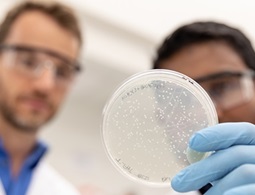
Protein found in gut-dwelling pathogens changes shape under human body temperatures, leading to toxins responsible for diarrheal disease.
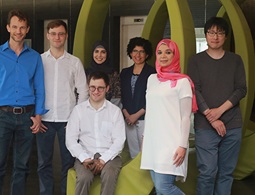
Mutations in a repetitive protein motif are responsible for a rare cognitive disorder.
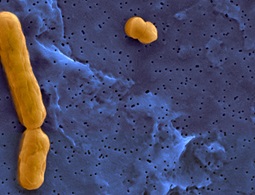
Understanding how bacterial metacommunities homogenize could help scientists predict future changes to ecosystems.
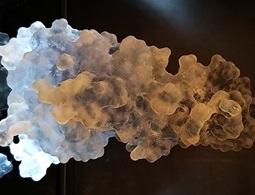
Single-molecule fluorescent measurements provide fresh insights into a process for keeping errors out of our genomes.

In the harsh sand of the Namib Desert, the sheaths of speargrass roots co-opt any growth-promoting bacteria they can find.

The types of bacteria living in and around fiddler crab burrows vary widely between mangroves, but their functional activities are remarkably similar.
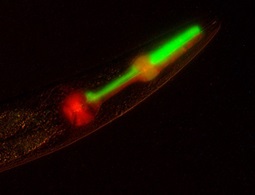
Laboratory model breaks laws of heredity, opening up new research possibilities in genetics and synthetic biology.
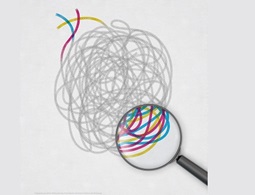
Recreating the human mind’s ability to infer patterns and relationships from complex events could lead to a universal model of artificial intelligence.
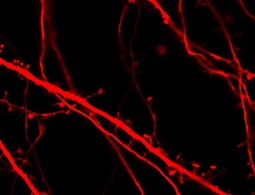
Study illustrates the links between brain energy metabolism and neuronal activity.
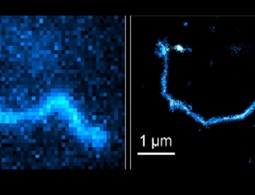
A Nobel-winning method for observing single molecules in action provides the basis for unprecedented insights into polymer chain dynamics.
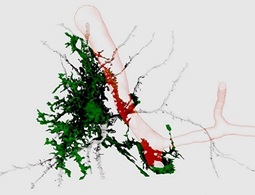
State-of-the-art techniques and software help researchers recreate cellular brain structures and model biochemical processes that support the brain’s energy demands.