The dynamic molecular changes of homing
Molecules reorganize to slow stem cells down, giving them a chance to adhere to and eventually cross the inner lining of blood vessels into the bone marrow.
Molecules reorganize to slow stem cells down, giving them a chance to adhere to and eventually cross the inner lining of blood vessels into the bone marrow.
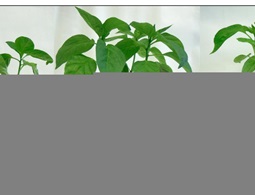
Adding certain types of bacteria to soil could help protect plants against drought by activating a proton pump in root cells.
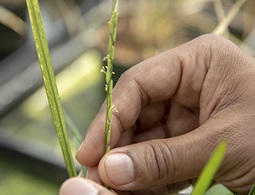
A compound that binds to and inhibits a crucial receptor protein offers a new route for controlling a parasitic plant.
Pairing a conjugated polymer with a redox enzyme generates a fast, selective and sensitive electrochemical biosensor for metabolites.

Learning how boron evaporates will help to improve water desalination technologies.
An unexpected two-step mechanism occurs when cells copy DNA.
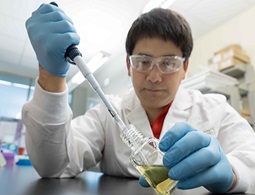
Protein analysis could lead to new advances in DNA sequencing technologies.

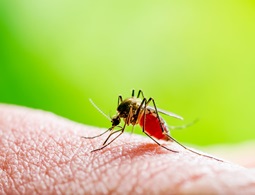
A new malaria metabolic model may uncover better ways to treat a highly deadly disease.
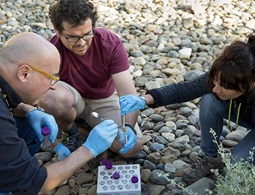
Understanding how bacteria help convert glacier bedrock into soil could help address desertification.
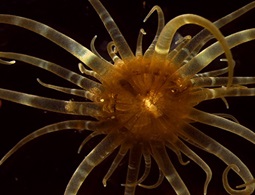
Corals living in highly saline waters may be more tolerant to rising water temperatures.
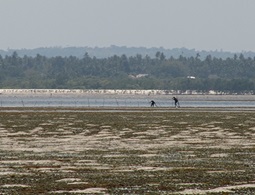
Seagrass meadows play a pivotal role in protecting coasts against rising sea levels.
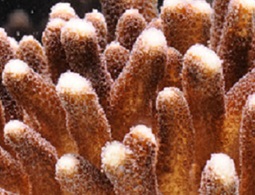
A comparison of the genomes of two species of coral demonstrates unexpected genetic diversity.