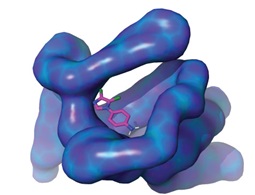
Cryptic drug-binding sites discovered in the dance
Studying the molecular motion of proteins reveals previously unseen binding sites that could be targeted by new drug candidate molecules.
Studying the molecular motion of proteins reveals previously unseen binding sites that could be targeted by new drug candidate molecules.

An enzyme from a Red Sea bacterium suppresses the formation of a slimy biofilm that helps propagate hospital-acquired infections.
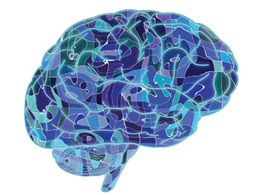
Revealing zinc’s interaction with a critical transport protein underscores the need to study biological pathways under physiologically relevant conditions.

Elaborate interaction discovered between epigenetic regulatory protein and its activating lipid partner.
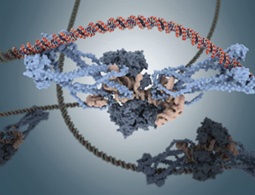
Blocking the overexpression of specific repeat RNA sequences could prove promising for the treatment of premature aging syndromes.
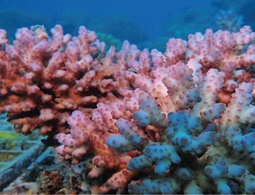
The generation of a high-quality genome from a coral specimen reveals an alternative pathway for cysteine biosynthesis in animals and cautions against overreliance on model organisms.
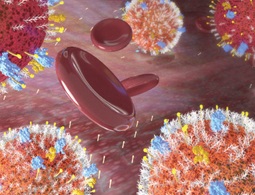
Enhancement of adhesion molecules improves the ability of blood-forming stem cells to take root in transplant recipients.
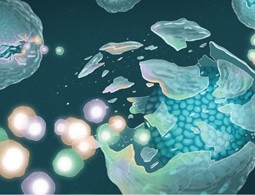
Deep molecular analysis of the bone marrow microenvironment reveals that the cells regulating blood stem cell maintenance are more diverse than expected and have features likely to be conserved between species.

Fiddler crabs and other burrowing creatures could support the future of nutrient-deficient soils of dried-up mangroves.
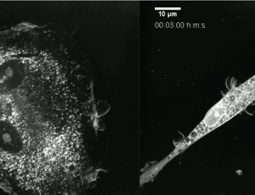
Abnormal protein tied to Wiskott-Aldrich syndrome found to control gene splicing.
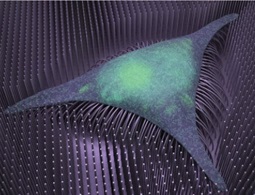
Nanotechnology that accelerates the transition of stem cells into bone could advance regenerative medicine.
Stem cell analyses could reveal how extra doses of some genes lead to the characteristics seen in males born with one or more surplus X chromosomes.