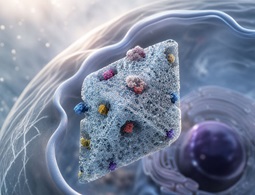
From roots to shoots: decoding strigolactones in plant architecture and symbiosis
Better understanding of the roles of plant hormones could help to engineer advantageous traits into rice and other crops.
Better understanding of the roles of plant hormones could help to engineer advantageous traits into rice and other crops.

An emerging conservation strategy could help wildlife to become more resilient against a range of environmental threats.

An open-source software can help align artificial intelligence applications in healthcare with data privacy regulations.

Uncovering PfAP2-P’s role in parasite's immune evasion and development, opening doors to innovative anti-malaria approaches.

Skin organoids offer a powerful platform for drug discovery in the ongoing fight against the virus formerly known as monkeypox.

Comparison of different nuclear magnetic resonance spectroscopy methods has helped to identify the most robust approach for studying different types of biomolecules.

An innovative AI-based tool leverages varied symptom descriptions, along with evidence from the scientific literature and genomic datasets, to pinpoint disease-associated gene variants.

New research into how humans and animals use complexity to make decisions offers some tantalizing insights into the nature of intelligence.

Hydrogels that mimic natural environments help to reveal cellular intricacies often missed in traditional lab studies.

Marine ecosystem models should account for vast fluctuation in dissolved oxygen.
Mutations on a key SARS-CoV-2 viral protein are linked to extreme immune responses and could offer a novel vaccine target.
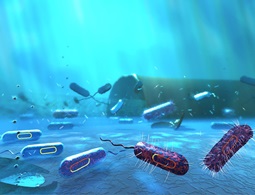
A complex interplay of factors influences the spread of superbug genes during wastewater treatment and reuse.