Super fungi survive extreme Mars-like environments
A black fungus that can tolerate extreme salinity and intense radiation in a Mars-like environment provides insights into planet habitability and beyond.
A black fungus that can tolerate extreme salinity and intense radiation in a Mars-like environment provides insights into planet habitability and beyond.
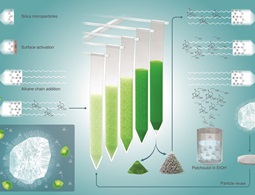
Circular bioprocess deploys functionalized microparticles to collect sustainably generated chemicals from microorganisms.
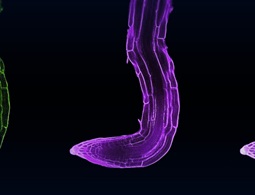
Uncovering the mechanism of how soil bacteria improve plant resilience to drought and salinity could be important for mitigating effects of climate change on crop production.
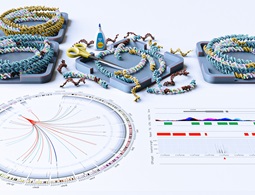
Simple fixes of unintended large genetic insertions uncovered in genome editing offer improved safety and reliability.

As glaciers shrink, a major study reveals remarkable biodiversity across the world’s glacier-fed streams, providing a global reference for future climate-change microbiology studies on this vanishing ecosystem.

EZH1 steadies gene-reading machinery and adjusts DNA packaging, ensuring genes activate on time to maintain 24-hour rhythms.

A much-hyped new theory that purports to provide a universal explanation of natural phenomena merely repackages existing theoretical tools.
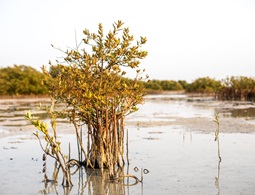
Mangrove soils are affected by the accumulation of plastic waste, but they may also hold a key to reduce its environmental impacts.
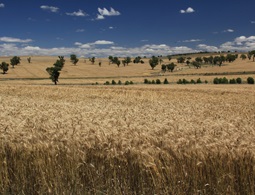
The complex history of the bread wheat D genome demonstrates the potential of wild relatives in crop improvement.
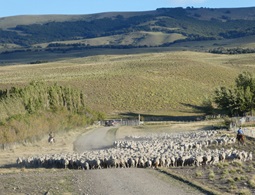
Drier climate and livestock grazing pressure jointly help to shape the diversity of plant traits in drylands worldwide.
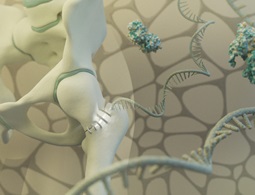
Viral RNA elements induce controlled inflammation to trigger bone repair, which could be used to treat osteoporosis and other diseases.
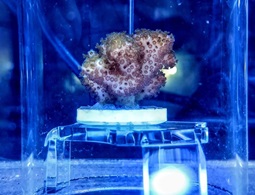
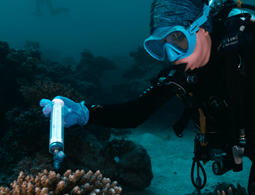
Beneficial bacteria localize and flourish within coral tissues, boosting resilience to heat and other stressors.