Guiding the way to improved solar cell performance
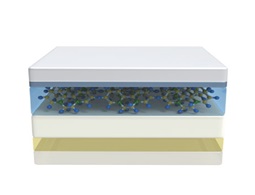
Small molecules could hold the key to enhancing the efficiency of organic solar cells.
Small molecules could hold the key to enhancing the efficiency of organic solar cells.
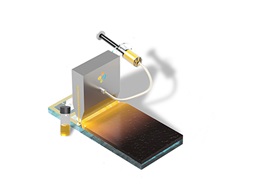
High-performance perovskite solar cells are made using a manufacturing-friendly liquid-based process suitable for roll to roll production.

A deeper understanding of efficiency-limiting processes provides design rules for organic solar cell materials.

Treating silicon with carbon dioxide gas in plasma processing brings simplicity and control to a key step for making solar cells.
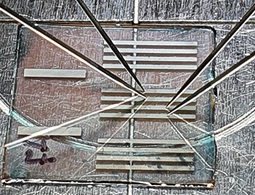
Air-stable coatings can improve the longevity of wearable devices that tap into body heat.

Ultrathin charge-transport layers enable low-cost solar cells to avoid premature degradation from ultraviolet light.

Researchers develop a better understanding of how novel solar cells developed in the lab will operate under real conditions.

Imaging artifacts discovered in high-resolution electron microscopes may impact development of next-generation electronic devices.
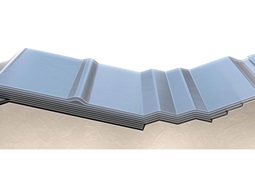
Multilayered carbon material could be the perfect fit for heat management in electronic devices.

Surfaces featuring atomic-scale ledges and steps can act as reusable templates for producing nanoelectronic components.

Efficient yet exceptionally light organic solar cells created entirely by inkjet printing.
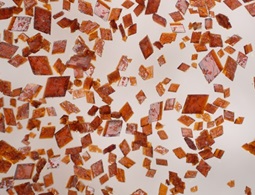
Atomically precise nanocluster may provide fresh direction for nanocatalysts.