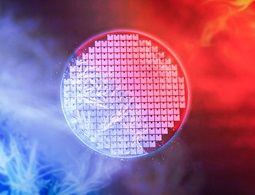
Reflecting on a shift in “rainbow” sensors
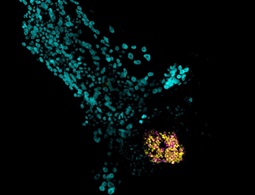
Nanostructured surfaces enable lab-on-a-chip lung cancer diagnosis.
Nanostructured surfaces enable lab-on-a-chip lung cancer diagnosis.

Precisely determining the energy levels of different solar materials leads to high performance devices.
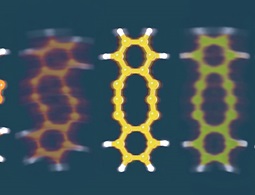
Pulses from an atom-sharp tip enable researchers to break and form chemical bonds at will.
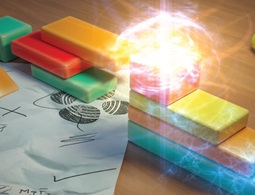
A simple reordering of the layers in solar-cell modules can help improve efficiency.
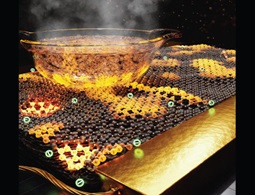
Graphitic thin films hit high temperatures within seconds under low voltage.
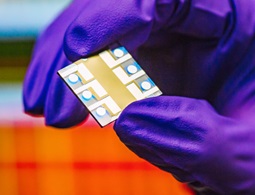
Light causes small rapid distortions in solar cell material, affecting how charge carriers behave.
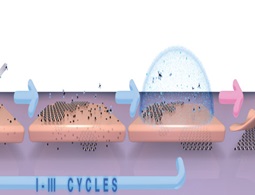
An interface-templated method enhances the crystallinity of large single-layer graphene sheets on insulating supports.
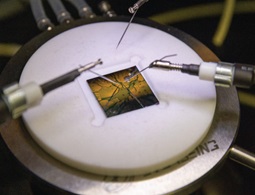
A novel device architecture makes organic electronics applicable to 5G telecommunications.
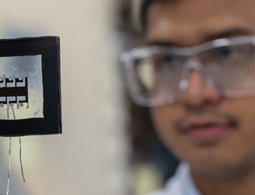
Tunable perovskite-based multilayered films provide long-term stability for high-performing solar cells.
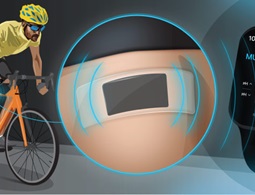
Wearable device alerts users about muscle fatigue by monitoring pH levels of sweat.

Transistor-based sensors offer hope for rapid diagnosis and treatment for COVID-19 and other infections.
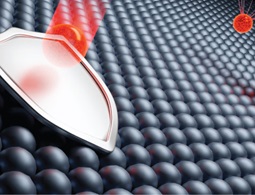
Damage from adding electrical contacts to sensitive semiconductors can be mitigated using a buffer layer and optimized deposition.