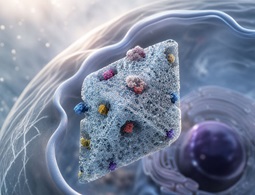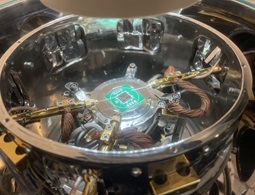
Protons set to power next-generation memory devices
A proton-driven approach that enables multiple ferroelectric phase transitions sets the stage for ultralow power, high-capacity computer chips.
A proton-driven approach that enables multiple ferroelectric phase transitions sets the stage for ultralow power, high-capacity computer chips.
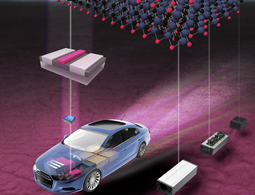
Using a two-dimensional material to electrically connect to high-power semiconductor transistors improves device performance.

High-strength but low-density mesh-like polymers with applications in adsorption are synthesized using a simple new method.
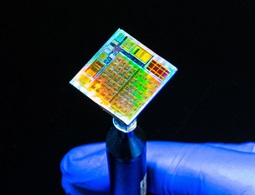
The first demonstration of a functional microchip integrating atomically thin two-dimensional materials with exotic properties heralds a new era of microelectronics.
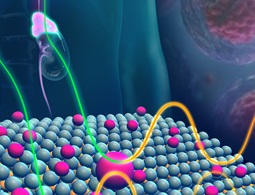
An electronic sensor based on individual atoms anchored to MXene nanomaterials can detect tumor-specific biomarkers.
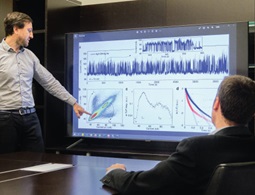
A microscale “memristor” with inkjet-printed electrodes offers an energy efficient and stable true random number generator for cryptography applications.

The image of an object that is obscured when the light passes through a scattering material can be recovered in real time.
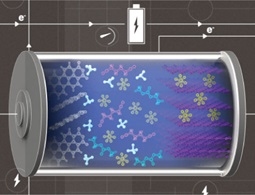
Ammonium-ion electrolytes could help create ecofriendly and sustainable alternatives to lithium-ion batteries, particularly for grid storage.

Screens fabricated from organic materials show promise for improved X-ray imaging for medical and security settings.
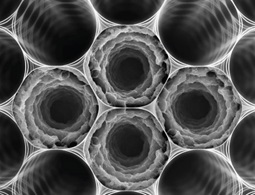
Rechargeable batteries to benefit from the development of lithium-loving foams.
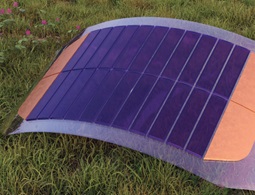
Environmentally friendly renewable biosolvents could help clean up the manufacture of solar panels.
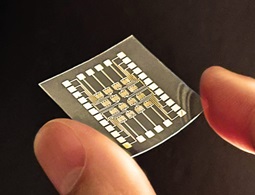
Compliant and conductive carbon nanomaterial could be the perfect fit for on-skin electronics.