A tandem approach for better solar cells
Combining traditional silicon with perovskite materials offers higher efficiency solar cells, but further innovation is needed to make them commercially viable.
Combining traditional silicon with perovskite materials offers higher efficiency solar cells, but further innovation is needed to make them commercially viable.

Brain-like computing could be possible using electrical memory devices made from an unexpected material.

The efficiency of tandem solar cells is boosted with improved optical design and a careful selection of the material that connects them together.

Multicomponent mixtures could provide organic solar cells that defy heat and achieve record efficiency.

The molecular structure of organic semiconductors is key to the outdoor stability of organic solar cells.
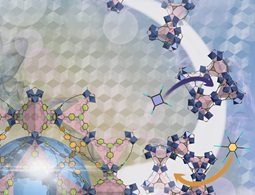
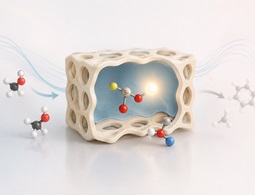
Metal-organic frameworks with designer windows show exceptional gas storage capability.

Cool heads clear a pathway for the development of a sustainable cooling technology.

An innovative device could pave the way for more convenient diabetes monitoring.

Computer memory systems that work change resistance rather than charge could greatly improve the performance of deep neural networks for machine learning.
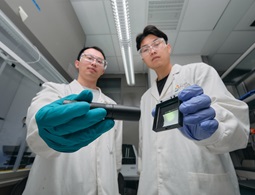
Less hazardous and more sensitive and eco-friendly scintillating compounds could greatly improve X-ray imaging technologies.

A comparison of different solar-cell technologies shows that an organic material is better at staying cool than common silicon, and how a windy environment can help.

Pulses of light tune MXene's structure to improve energy storage and battery stability.