Electric gains in battery performance
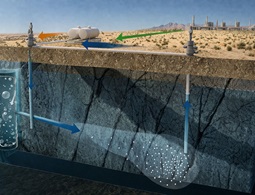
Batteries made from earth-abundant metals show great potential for grid-scale energy storage.
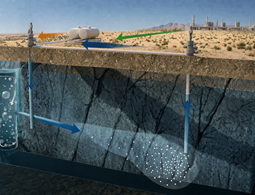
Batteries made from earth-abundant metals show great potential for grid-scale energy storage.
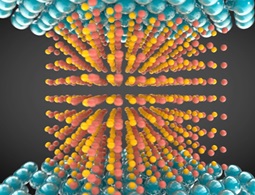
A nano-scale memristor is shown to have superior stability for random number generation as an integral part of secure data transmission.
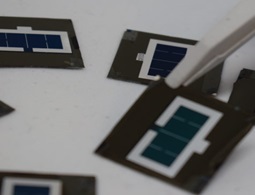
Clever contacts enhance perovskite/silicon tandem solar-cell performance.
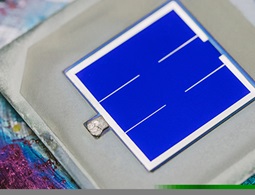
A simple holistic solution plugs the performance-sapping defects that hamper new alternative solar materials.

A layer of hierarchically three-dimensional porous graphene greatly suppresses a problem holding back the development of lithium-sulfur batteries.
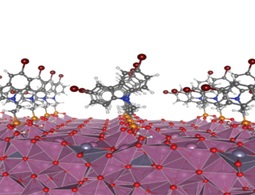
A single-molecule layer that helps to channel electrical charge into an electrode can outperform the best conventional material.
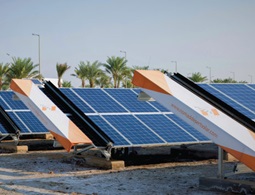
Mixed-cation single crystals narrow the gap between perovskite and top-performing semiconductor solar cells.
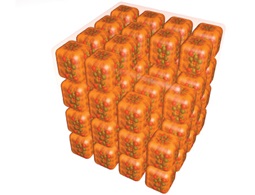
Nanoclusters with a copper-hydrogen core provide new structure-activity insights.
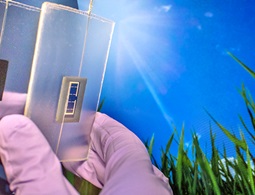
Combining two light-absorbing materials and optimizing the flow of current improves the performance of solar cells.
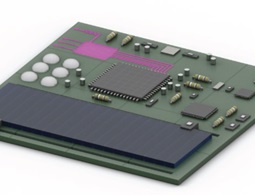
Fluid injection of perovskite semiconductors creates microwires to build different optoelectronic devices on a single silicon chip.
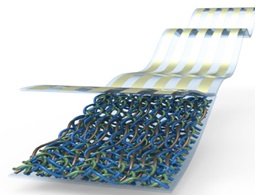
An electrochemical method for stabilizing a reactive molecule can help the development of higher efficiency solar cells.
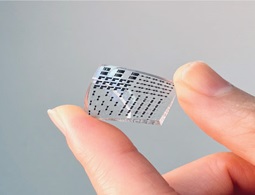
Soft, stretchy, slimline and strong electronics could accelerate the arrival of artificial skin.