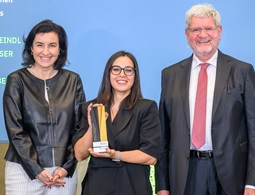
Professor Sahika Inal earns Germany’s most prestigious research award
KAUST Professor Sahika Inal earns Germany’s prestigious Alexander von Humboldt Professorship, recognizing her leadership in bioelectronics. Her work advances smart, biocompatible technologies for diagnostics and therapy, highlighting KAUST’s strength in health research and global impact.

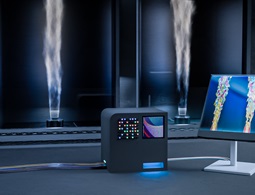
Gas detector flags early battery failure
Laser-based sensor detects gases released in the early stages of battery failure, enabling timely safety shutdowns.
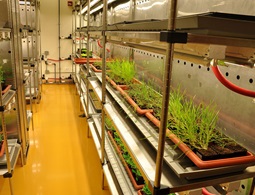
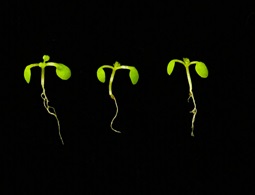
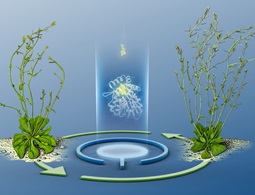
Plants reorganize proteins to protect photosynthesis during extreme heat
The built-in mechanisms that help plants survive extreme heat could help inform the development of more resilient crops.
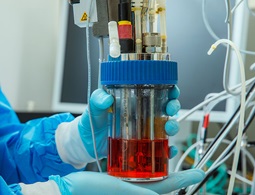
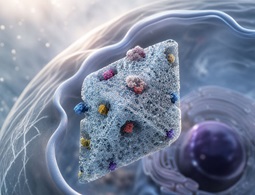
New study explores how cells respond to acidic stress
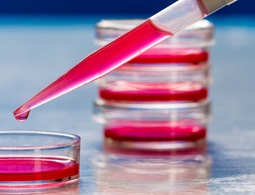
Bringing together the tools to harness the potential of microbial diversity
Combining approaches to better discover and cultivate microbial taxa could generate novel microbes for industrial and agricultural applications.
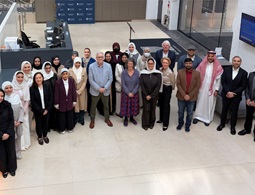
KAUST and the Ministry of Education Launch the "Developing Educational Leaders" Program to Empower the Academic Sector
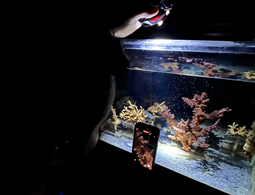
Two million eggs and growing: Inside KAUST’s coral spawning program
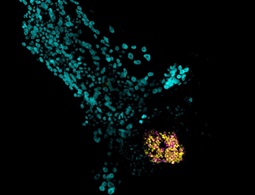
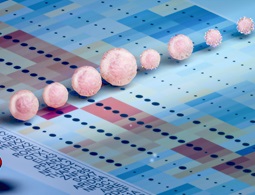
Single small-molecule model reveals insights into human embryo development
A unique embryo-like cellular model offers a scalable platform for studying human embryogenesis, fertility, and developmental disorders.

Can AI finally bring order to biology’s data deluge?
How a "Super Transformer" model could unify genomics, imaging and cellular data — and help biologists see the whole.
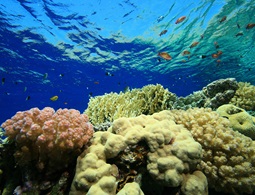
How corals reveal the ocean’s hidden chemical footprint
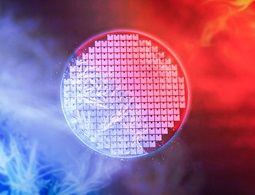
Gallium oxide electronics withstand extreme cold
Robust semiconductor enables devices to operate close to absolute zero, with potential applications in space missions and quantum computing.