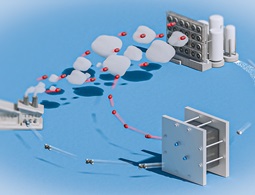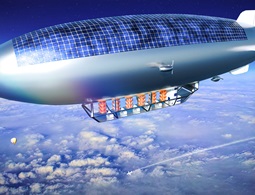
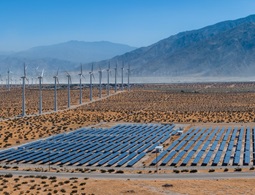
Resilient renewable energy networks designed for the desert
Accounting for weather extremes is essential for designing reliable renewable energy systems in hot, arid regions.
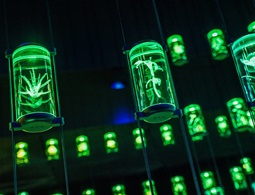
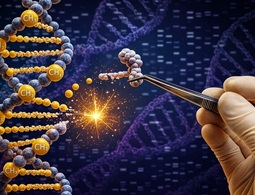
Tiny DNA fragments, big agricultural insights
A new genomic approach is helping improve crop resilience.
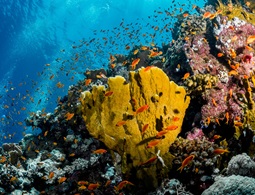
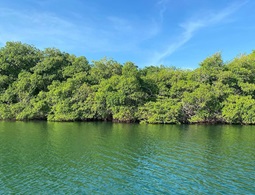
Buying time for coral reefs
KAUST researchers are testing solutions that may shape how coral reef systems weather the century ahead.
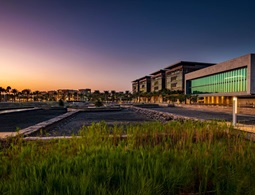
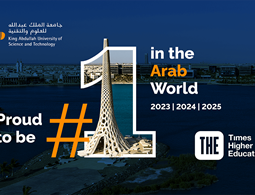
KAUST ranks among world’s top 100 in eight subjects, leads Saudi Arabia in four
KAUST ranks among the world’s top 100 in eight subjects in the latest QS World University Rankings by Subject, including No. 1 in Saudi Arabia in four disciplines, reflecting its academic excellence and global impact in science and engineering.
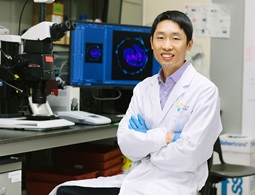
KAUST stem cell research improves understanding of early human development
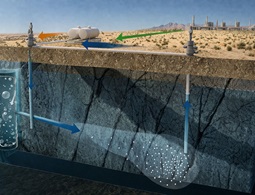
From gas to stone: KAUST demonstrates CO₂ sequestration underground with reduced water usage
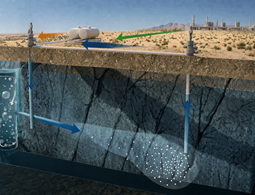
Carbon sequestration for arid regions overcomes water constraints
By recirculating groundwater, carbon emissions can be mineralized without additional water, enabling subsurface carbon dioxide storage in arid regions.
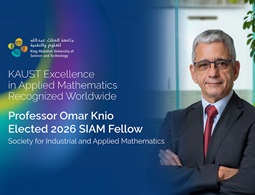
KAUST’s Omar Knio named SIAM Fellow for contributions to applied mathematics
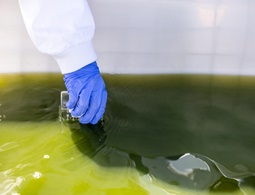
Harnessing algae’s green superpowers
Harvesting and processing micro- and macroalgae hold versatile industrial applications and could help meet food security and carbon neutrality goals.
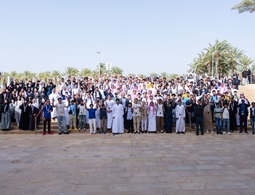
KAUST Concludes National Mathematics Competition Finals
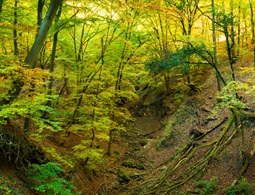
Climate action needs a tree change
Despite scientific debate, protecting and restoring natural forests is essential for global climate mitigation and adaptation.