Grime does pay when it comes to wastewater filters
A grimy layer on wastewater filters could slow the spread of antibiotic resistance.
A grimy layer on wastewater filters could slow the spread of antibiotic resistance.
The availability of high-resolution data collected by miniaturized satellites heralds a turning point in Earth and environmental sensing from space.
Safety assurance is the first step in bringing valuable wastewater into use, says Peiying Hong.
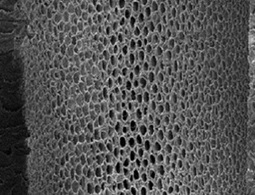
Tailor-made membranes offer a cleaner method for the industrial-scale separation of chemical mixtures, says Suzana Nunes. But first we need to make their manufacture greener.

Trapping molecules on custom-designed porous surfaces becomes easier with a new model that unifies previous theories of adsorption.
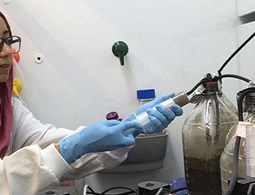
Treating wastewater with solar irradiation shows promise in reducing two E. coli strains but a resilient strain persists.
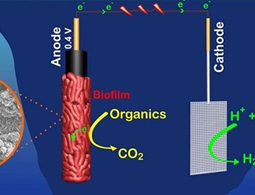
Promising electrochemical technologies for cleaning wastewater are boosted by discovery of extremophilic microbes in the Red Sea.
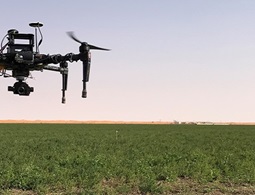
Emerging technologies are poised to transform how we observe the Earth.
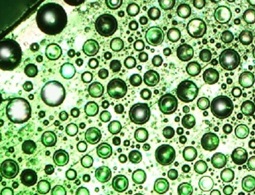
Surface wettability has little effect on atmospheric water gathering, but edge structure is crucial.

A nature-based technique paves the way for cheaper and environmentally friendly liquid-repellent materials.
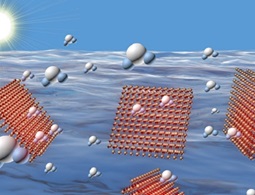
A floating membrane that uses sunlight to evaporate water shows potential for water purification.
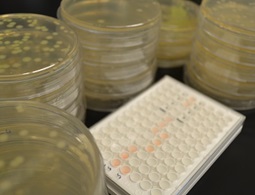
An antibiotic resistant strain of bacteria found circulating in Jeddah’s municipal wastewater could have severe implications for public health.