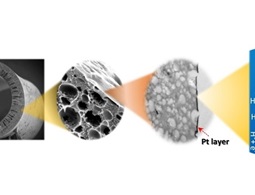
Extracting more from wastewater
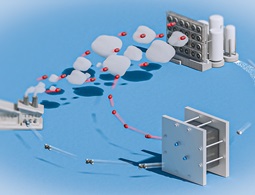
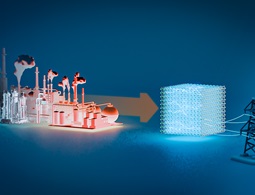
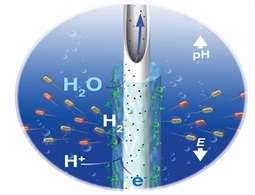
A material made by combining a metal and a polymer can help generate hydrogen and fresh water from wastewater.
A material made by combining a metal and a polymer can help generate hydrogen and fresh water from wastewater.

KAUST researchers are working to find new ways of monitoring irrigation, crop health and yields.
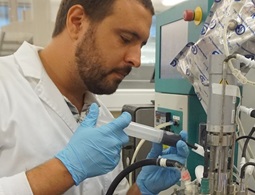
Certain bacteria-based water treatment systems may help prevent the spread of antibiotic resistance.

Biology has inspired new ways to harvest and collect water.
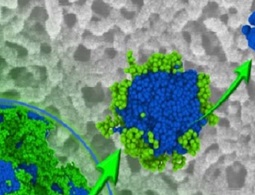
Innovative chemistry has produced synthetic membranes with improved properties for industry, research and biomedicine.
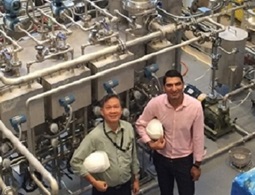
Combining methods for water desalination results in low-cost, highly efficient water production.
Self-cleaning graphene-coated membranes remove water pollutants while harvesting energy from microbial decomposition.
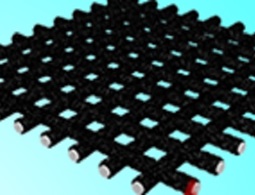
Chemical tricks improve the efficiency and durability of photothermal membranes that use sunlight to turn water into steam.
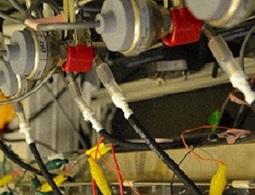
Wastewater treatments based on bioelectrochemical systems can generate energy while removing potentially toxic compounds.
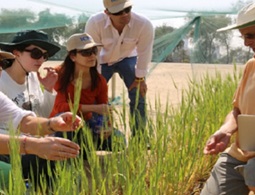
Novel use of sensors and associated high-resolution imaging in agriculture aims to facilitate a more sustainable future.
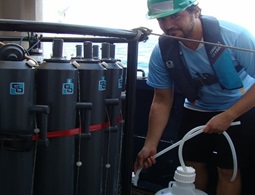
Elevated bacterial populations in waters near beaches and urban areas could pose a problem for desalination plants.
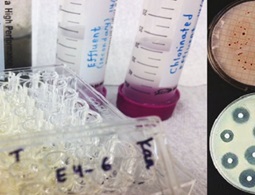
Treated wastewater may be suitable for some irrigation uses, but antibiotic-resistant microbes could be cause for concern.