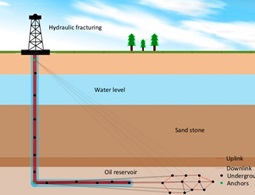
Internet of underground things to reveal buried vistas
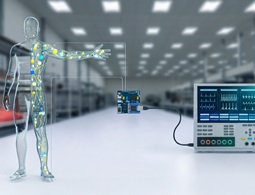
Pinpoint mesh of smart underground objects could give real-time 3D readout of fossil fuel reserves.
Pinpoint mesh of smart underground objects could give real-time 3D readout of fossil fuel reserves.

For a communications revolution, 6G development needs more human-centric research.
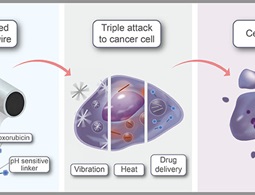
Multifunctional iron nanowires selectively obliterate cancer cells with a triple-punch combination attack.
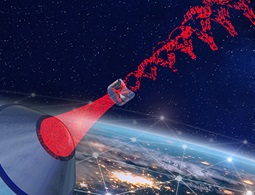
The finding that light can be twisted very precisely may offer fresh options for communications infrastructure.
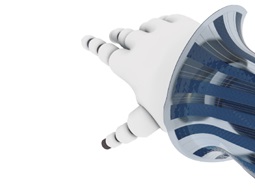
Combining silicon with a highly elastic polymer backing produces solar cells that have record-breaking stretchability and high efficiency.
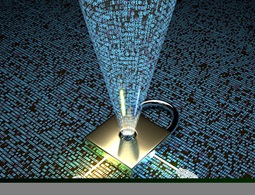
Chaos could help put cyberhackers out of business with a patterned silicon chip that will be uncrackable even in the future.
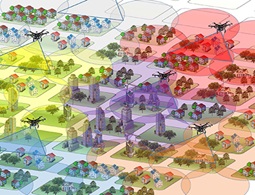
Hovering airborne vehicles could connect smart sensors to the internet of things.
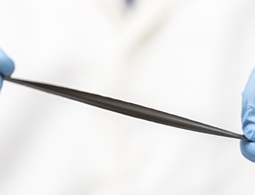
A magnetic skin that is safe and comfortable to wear could open the door to a wide range of wireless, remotely controlled applications.
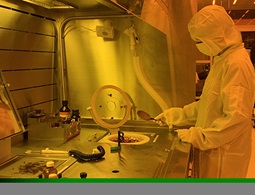
Asrar Damdam is setting up her own biotech company in Silicon Valley while pursuing a Ph.D. at KAUST
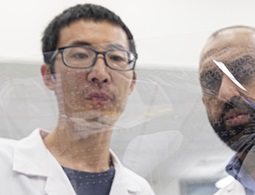
Stretchy, see-through, silver nanowire sheet combines optical transparency with excellent electrical conductivity.
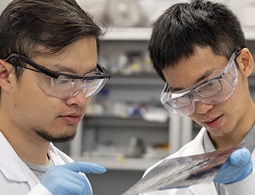
An inexpensive passive cooling technology could be used to cool buildings in cities, reducing energy consumption.

Understanding the situations when artificial intelligence can fail is critical for application of future autonomous vehicles and medical diagnostics.