A breath of fresh information to help diagnosis
A communications concept could pinpoint a person infected with a deadly, contagious virus in the middle of a crowded airport.
A communications concept could pinpoint a person infected with a deadly, contagious virus in the middle of a crowded airport.
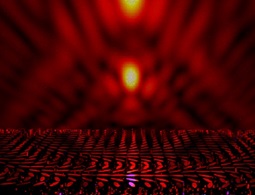
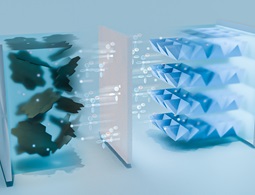
Overlaying two film layers patterned with a nanoscale array can manipulate the propagation of light to create a powerful ultrathin lens.
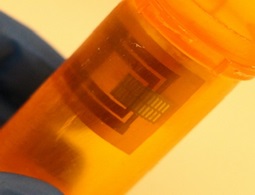
Low-cost, stretchy sensors can be assembled inside the lid of a drug container to help monitor patient safety.

An interdisciplinary initiative is helping KAUST be at the forefront of a digital revolution, where sensors can find a use just about anywhere.
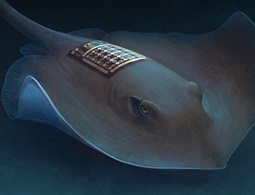
A pioneering tagging system that monitors the movement and local environment of sea animals reaches deeper depths and higher sensitivities.
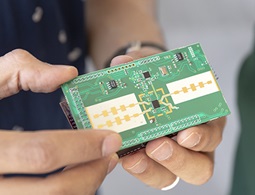
A tiny, portable radar device could allow visually impaired people, or unmanned moving devices, to detect objects in real time.
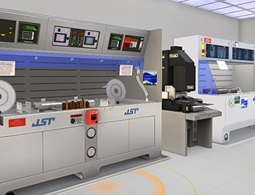
A virtual platform makes learning how to fabricate a semiconductor device easier, safer and more interactive.
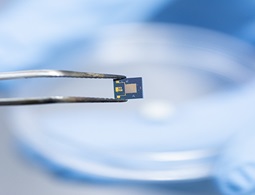
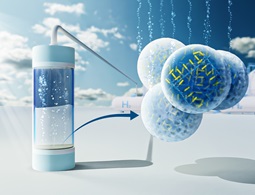
Fluorinated metal-organic frameworks make excellent materials for selective sensing and removal of toxic gases.
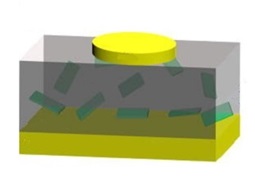
Combining a polymer and microparticles enables a new type of capacitor that could mimic the way the brain processes information.
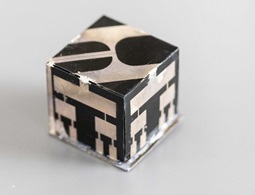
Ambient energy emitted by cellular phones and modems can be captured and converted into electricity using unusually shaped technology.
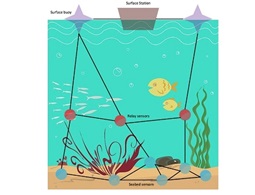
An optical system for monitoring underwater sensor positions could enable large networks of devices to be deployed for ocean measurements.
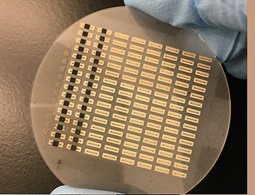
Inkjet-printed switches make multiple frequency bands easier and cheaper to manage in wireless devices.