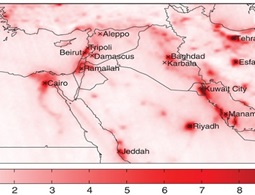
Trend reversals in the Middle East
Conflict and economic crises, combined with pollution control measures, are changing the air above the Middle East.
Conflict and economic crises, combined with pollution control measures, are changing the air above the Middle East.
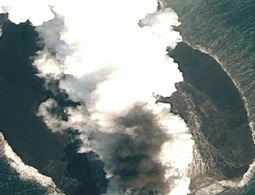
The emergence of two volcanic islands in the Red Sea suggests a larger underlying event linked to African-Arabian plate separation.
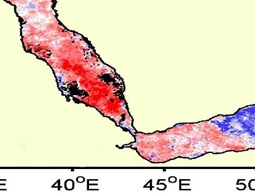
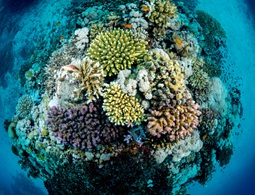
A warmer Red Sea may be more productive due to the influence of winter monsoons.
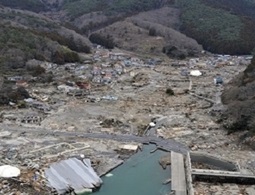
An underwater landslide triggered by the 2011 earthquake in Japan may have exacerbated the resulting tsunami.
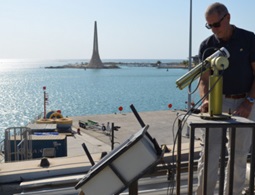
KAUST’s Earth Science and Engineering Program is underpinned by a drive to develop sustainable ways to get the best from natural resources and quantify environmental hazards.

First-time reports of the statistical properties of ‘whirlpools’ show they are frequent and seasonal.