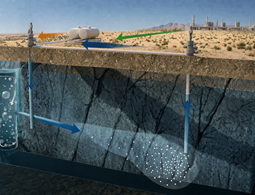
Carbon sequestration for arid regions overcomes water constraints
By recirculating groundwater, carbon emissions can be mineralized without additional water, enabling subsurface carbon dioxide storage in arid regions.
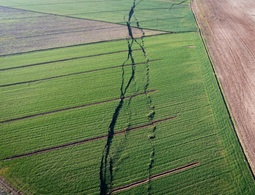
Asymmetric surface deformations reveal ongoing processes after earthquakes
Detailed satellite radar data highlight underlying post-seismic processes at work in the Earth’s subsurface following the 2023 Kahramanmaraş earthquakes.
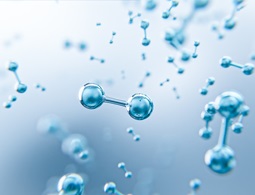
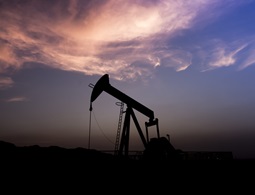
Depleted oil fields offer hydrogen storage sites
Combining hydrogen with liquid organic molecules could cut costs, simplify storage, and even help to recover residual oil.
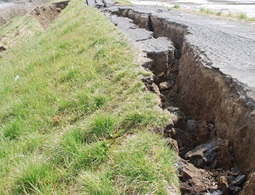
When Earth breaks the “rules”
A record-setting earthquake in Myanmar challenges how scientists predict future seismic hazards.
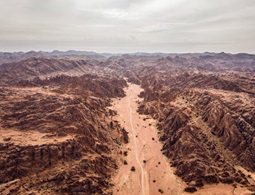
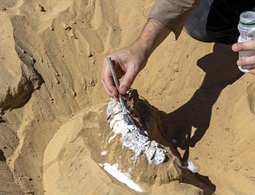
Unearthing Arabia’s ancient foundations: New insights from the Ha’il terrane
Beneath the deserts of Saudi Arabia lies a hidden record of Earth’s earliest continental history — a geological archive that could reshape our understanding of how Arabia was born.
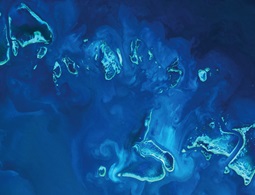
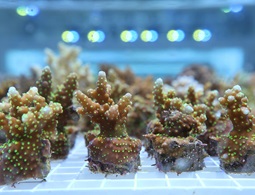
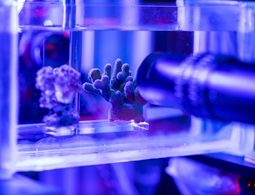
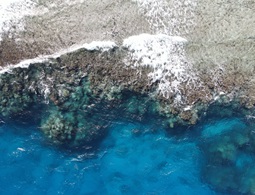
Sensing color cues to monitor coral health in the Red Sea
A precision remote sensing tool uses high-resolution ocean color data to predict both the scope and severity of coral bleaching.
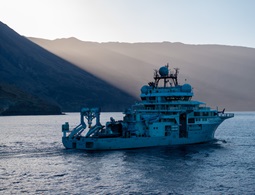
OceanQuest at sea: KAUST students reflect on the impact of “Around Africa Expedition”
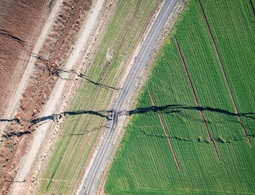
Kahramanmaraş earthquake study showcases potential slip rate errors
An image analysis technique shows that crustal damage from an earthquake can extend further than expected with implications for slip rate estimates and hazard assessment.
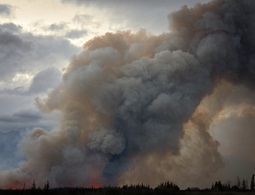
Unveiling the role of biomass-burning aerosols in atmospheric reactions
Insight into how photoexcited biomass-burning organic aerosols boost sulfate formation could help control wildfire-driven air pollution.
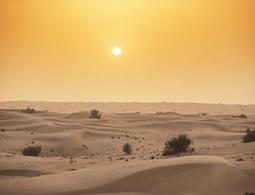
Feeling the heat across the Middle East
Climate research highlights future warming scenarios for the Arabian Peninsula.
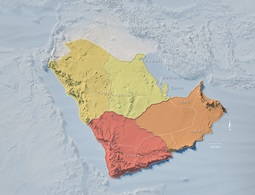
Past and future drought patterns across the Arabian Peninsula
Higher temperatures have increased drought frequency and intensity over the last two decades, but the trend could be reversed in the next 20 years.