

KAUST hosts the 13th Saudi HPC/AI Conference
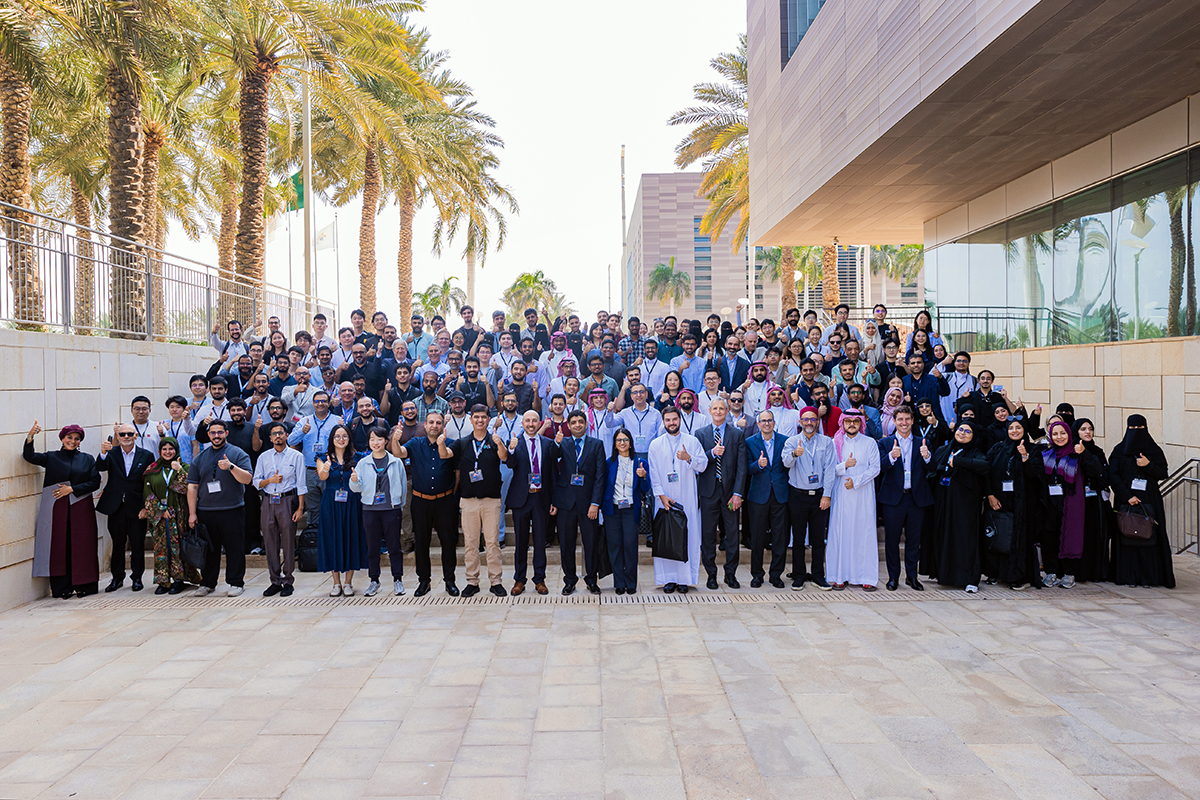
Participants gather at KAUST for the 13th Saudi HPC/AI Conference 2026, held October 26–28, 2026.
King Abdullah University of Science and Technology (KAUST) is helping shape the national conversation on the role of high-performance computing (HPC) and artificial intelligence in accelerating discovery and innovation.
The University hosted the 13th edition of the Saudi HPC/AI Conference 2026, October 26–28, bringing together nearly 400 researchers, industry leaders, and government representatives from across Saudi Arabia and international experts to exchange knowledge, share scientific advances, and explore opportunities for collaboration.
As HPC and AI become increasingly important, the conference provided a forum for examining how these technologies can help address the Kingdom’s research and development priorities.
There is a great potential for these technologies to make positive impacts in healthcare, energy, environmental sustainability, industry, and the digital economy, said KAUST President Sir Edward Byrne AC. He emphasized that translating computing power into scientific progress requires careful decisions about algorithms, data, software, and validation. “At KAUST, we are committed to research that combines scientific excellence with practical impact.”
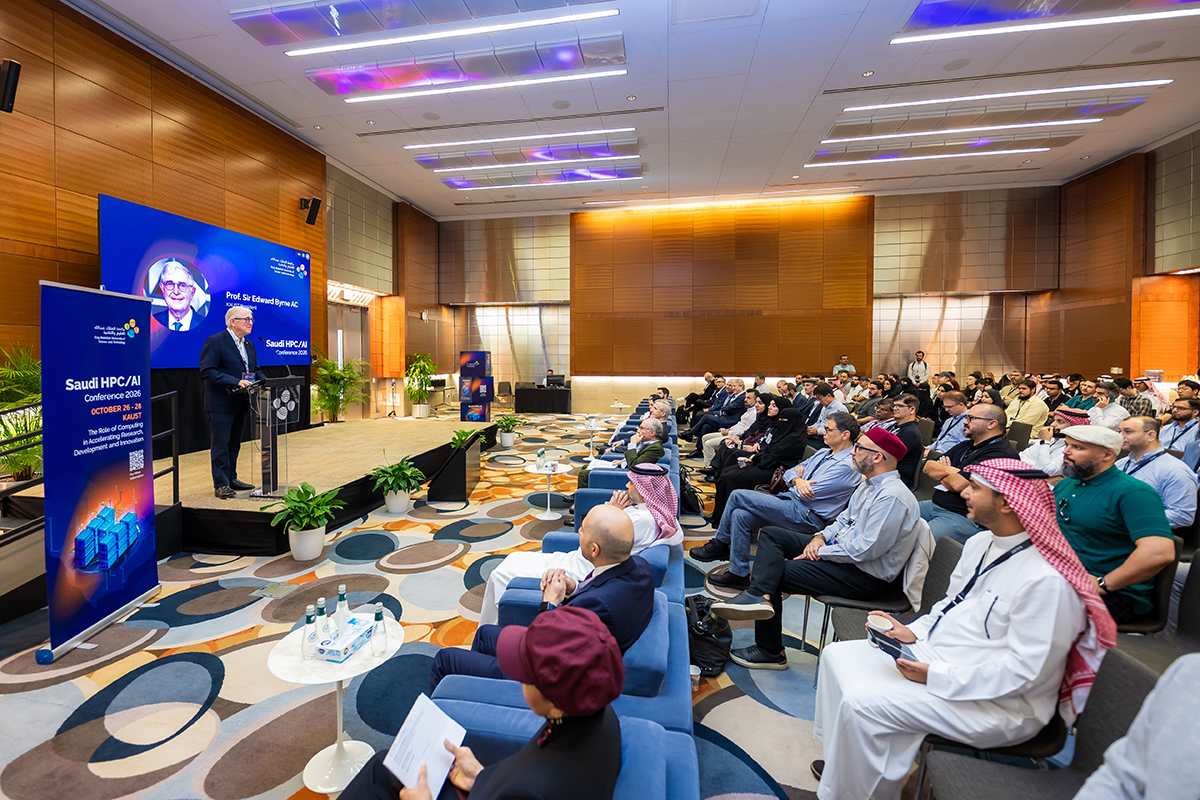
KAUST President Sir Edward Byrne AC addressing the Saudi HPC/AI Conference.
Dr. Saber Feki, conference chair and director of KAUST's Research Computing Core Labs, said the conference featured topics aligned with Saudi Arabia’s national priorities and the University’s goals. He also noted the importance of sharing HPC and AI expertise with the next generation of scientists and the potential benefits for participants’ research and careers.
Throughout the three-day event, KAUST faculty members joined researchers and experts from academia and industry in tutorials, keynote presentations, and panel discussions exploring applications of HPC and AI across Saudi Arabia’s four research, development, and innovation priorities: health and wellness; sustainable environment and supply of essential needs; energy and industrial leadership; and economies of the future.
Early successful projects using the newly deployed Shaheen III GPU supercomputer were also featured in HPC and AI use cases.
Hosting the conference at KAUST provided participants with a research-rich environment to exchange expertise, collaborate, and consider how HPC and AI can advance national research and innovation priorities.