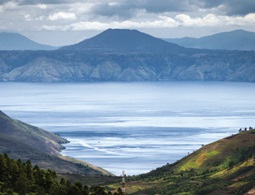
Ancient volcanic eruption destroyed the ozone layer
Ozone depletion following the Toba eruption around 74,000 years ago compounded the ensuing volcanic winter and caused a human population bottleneck.
Ozone depletion following the Toba eruption around 74,000 years ago compounded the ensuing volcanic winter and caused a human population bottleneck.
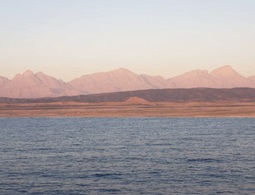
A detailed analysis combining seafloor mapping and earthquake and gravity data shows that the oceanic crust under the Red Sea is older than previously thought.

The timing of phytoplankton blooms in the Red Sea could help determine next year’s fish catch.
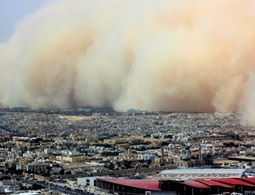
A new analysis of satellite data gives a detailed view of how extreme dust events have changed over time.

Red Sea atlas of algal blooms reveals the need for more sustainable fish farming.

A model for the southeastern California lithosphere suggests that a strong upper crust overlies weaker lower rock layers.

Modeling shows that volcanic eruptions can cause changes in global climate, if the timing is right.
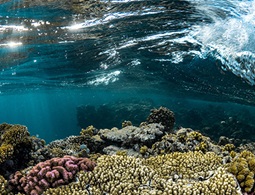
An all-inclusive climate model for the entire Red Sea region is supporting Saudi Arabia’s plans for a sustainable future.

Analysis of abnormally deep earthquakes may lead to improved seismic forecasting.
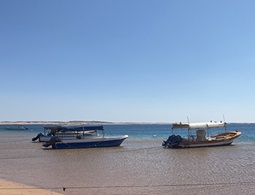
A high-resolution atmospheric assessment for the northern Red Sea coast in Saudi Arabia shows the region has some of the best air quality in the Kingdom.
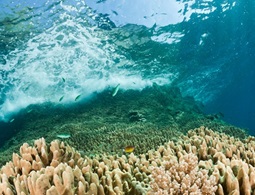
Modeling shows that coral reefs off the east coast of Saudi Arabia play a vital role in protecting the coastal zone.
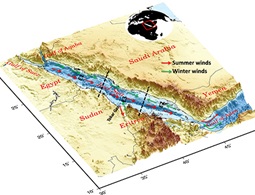
Extra caution is required in developing climate forecasts of enclosed seas.