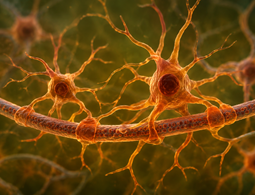
Brain fuel also helps wire neural connections
Lactate acts as both fuel and a signaling molecule in the brain, revealing a potential pathway for treating neurological disease.
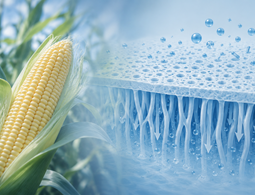
Engineered membranes made from corn proteins
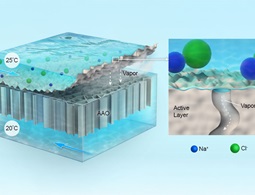
Biodegradable nanofiltration membranes made from an agricultural byproduct could reduce the environmental impact of industrial chemical purification.

Saudi youth excel at top global STEM competition
Saudi students trained through KAUST’s Saudi Research Science Institute earned global recognition at ISEF 2026, the world’s premier pre-college STEM competition, highlighting the Kingdom’s growing impact in science, innovation, and young talent development.

Seeing smarter with a light-controlled synaptic device
An optical synaptic device that both senses and processes visual information holds promise for wearable electronics and bioinspired machine vision systems.
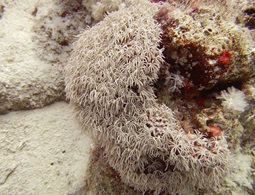
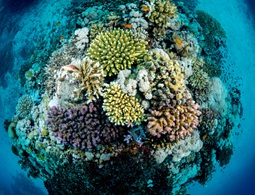
Hidden in plain sight: DNA reveals 15 overlooked coral lineages in the Indo-Pacific
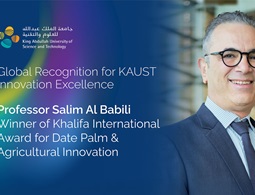
Al-Babili earns Khalifa International Award
KAUST Professor Salim Al-Babili has earned the Khalifa International Award for Date Palm and Agricultural Innovation for research advancing crop resilience and food security in arid environments. His work supports sustainable agriculture efforts in the Kingdom and beyond.

Intelligent vision chip offers brainlike processing
Retina-inspired optoelectronic synapse can perform image processing and optical logic tasks.
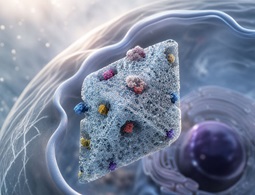
Nanoscale drug factory helps cells make medicine from within
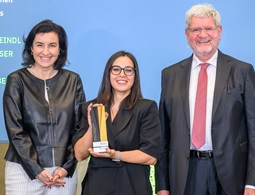
Professor Sahika Inal earns Germany’s most prestigious research award
KAUST Professor Sahika Inal earns Germany’s prestigious Alexander von Humboldt Professorship, recognizing her leadership in bioelectronics. Her work advances smart, biocompatible technologies for diagnostics and therapy, highlighting KAUST’s strength in health research and global impact.

Gas detector flags early battery failure
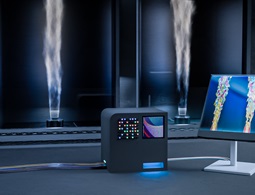
Laser-based sensor detects gases released in the early stages of battery failure, enabling timely safety shutdowns.
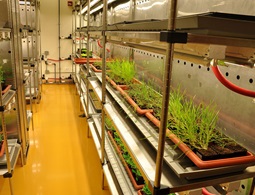
Plants reorganize proteins to protect photosynthesis during extreme heat
The built-in mechanisms that help plants survive extreme heat could help inform the development of more resilient crops.