Mining bacteria from the desert
Desert bacteria protect food crops from salt toxicity.
Desert bacteria protect food crops from salt toxicity.
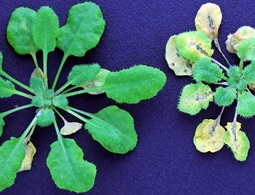
A key protein is shown to be responsible for activating and controlling plant immune responses to bacterial infection.
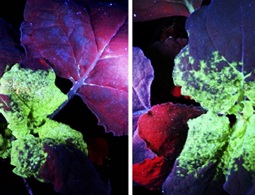
Precision molecular tools derived from bacterial defence systems are transforming the theory and practice of genetic modification.
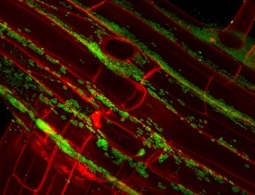
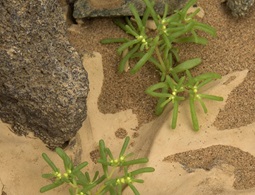
Bacteria isolated from desert plants could provide the key to maintaining productive agriculture in arid regions.

Genetic analyses of a desert bacterium show it could help to improve crop production in arid lands.
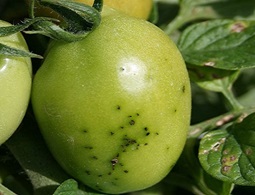
Plants can reprogram their genetic material to mount a defensive response against pathogens, which may have applications for agriculture.

Passionate plant scientist Mark Tester conducts ground-breaking research into plants that could one day help feed the world.
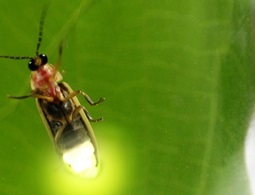
A biological sensor can identify and quantify the activity of a little-known class of plant hormones, strigolactones.

The dynamic three-dimensional organization of chromosomal structure can profoundly influence plant gene expression.
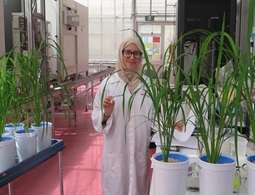
Real-time genetic detailing of rice plants highlights the roles of different loci in response to salt stress during growth.
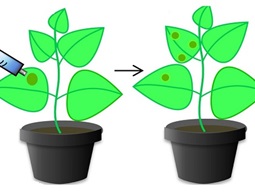
Harnessing a bacterial system of defense can protect plants against viral pathogens.