
From roots to shoots: decoding strigolactones in plant architecture and symbiosis
Better understanding of the roles of plant hormones could help to engineer advantageous traits into rice and other crops.
Better understanding of the roles of plant hormones could help to engineer advantageous traits into rice and other crops.

Degraded arid lands could be revegetated and used for long-term carbon storage.
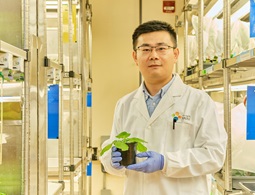
A simple enzymatic pathway taken from fungi can enhance the production and storage of provitamin A in crop plants.

PNP editing emerges as a versatile and programmable tool for site-specific DNA manipulations.
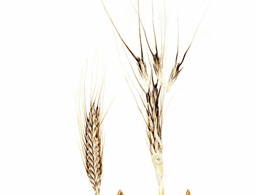
A first complete genome map of einkorn reveals evolutionary origins and potential for enhanced wheat breeding.
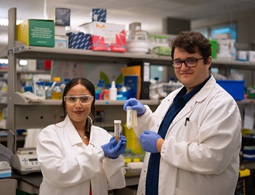
Using nanotechnology for controlled delivery of biostimulants and micronutrients to crops could improve performance and nutritional value.

Priming crop plants with a microbe sourced from the roots of desert plants could be a powerful tool to boost crop plant's resilience to drought.
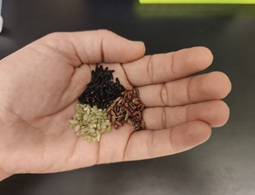
Fundamental research offers opportunities for new varieties of pigmented rice and a resource to address malnutrition.
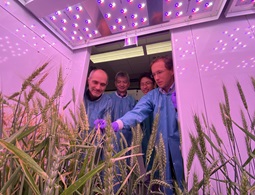
Research highlights the emerging role of unusual kinase fusion proteins in wheat disease resistance.

More effort is needed to bring salt-tolerant crops to the farmers who need them.

Biopharming technique yields cost-effective and environmentally friendly antimicrobial peptides.
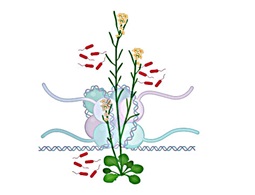
Understanding the role of a key protein in plant immunity could inform the development of crops that are resistant to multiple pathogens.