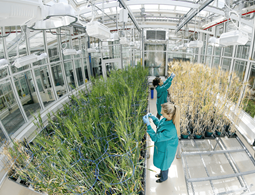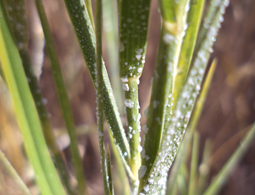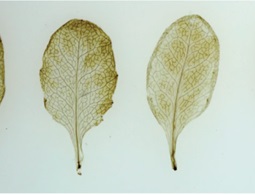
A master regulator of plant immunity
Stress-response protein promotes the accumulation of metabolites that help anti-pathogen defenses.
Stress-response protein promotes the accumulation of metabolites that help anti-pathogen defenses.
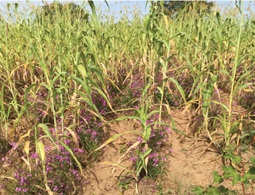
Crop resistance to a significant parasitic plant could be increased through gene editing or chemical treatment.

A highly efficient enzyme combined with a multigene engineering approach offers potential for sustainable production of water-soluble pigments in plant tissues.

An AI-powered imaging system called MutipleXLab provides rapid automated phenotyping of seed germination and root growth that will help select plants that grow well.

Researchers have identified stem rust resistance in the wild cereal plant Aegilops sharonensis and successfully transferred the resistance gene into bread wheat.

Sequencing a high-quality bread wheat genome facilitates the identification of a gene that confers stripe rust resistance and may lead to improved crop resilience.

A novel plant-breeding strategy is targeting crop yield, nutritional value and stress tolerance, all through the expression of one gene.
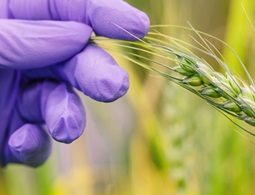
Coating crop seeds with bacteria found on a desert shrub boosts yields in hot fields.
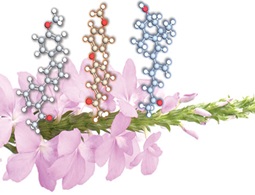
A molecular mimic designed to promote plant growth and limit witchweed infestation shows promise in initial trials.

Efficient greenhouse complexes that will grow crops using the resources available on desert coasts could improve food security for millions.

A Cas protein that cleaves viral RNA has been harnessed in a CRISPR/Cas system to destroy prolific viral infections in crop plants.

A newly discovered plant metabolite that promotes anchor root growth may prove valuable in helping crops grow in nutrient-deficient soils.