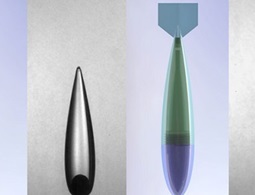
Giant air pockets win the drag race
Creating teardrop-like gas cavities around metal spheres enables practically friction-free travel through liquids.
Creating teardrop-like gas cavities around metal spheres enables practically friction-free travel through liquids.
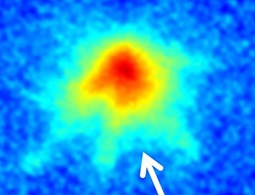
Silicon microelectronics and biomedical fields could benefit from a safe and cost-effective way to synthesize nanoparticles.
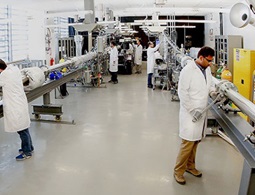
Simple two-component mixtures are good surrogates for studying the ignition properties of next-generation gasolines.
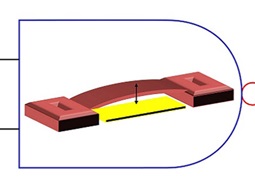
A vibration-driven logic gate could form the basis for the next generation of efficient, low-power computers.
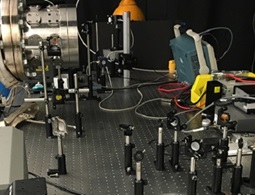
Insight into the thermal decomposition of a potential fuel additive shows it could promote cleaner and more efficient combustion.
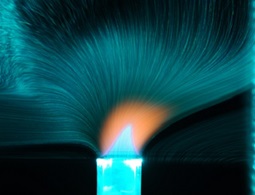
New 3D visualizations that reveal how flames respond to electric fields could help improve combustion efficiency and reduce pollution.

Smartphones put state-of-the-art 3D particle tracking in the hands of the masses.
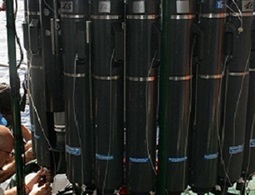
Data from a global oceanographic expedition predict how rising temperatures influence increase in plankton populations.
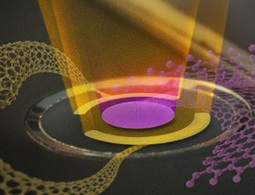
A flexible, carbon-based device that responds to humidity in two ways can sense 3D objects without touching them.
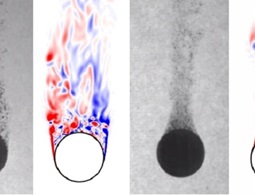
Plunging hot spheres into viscous liquids reveals a way to reduce fluid resistance without complex engineering procedures.
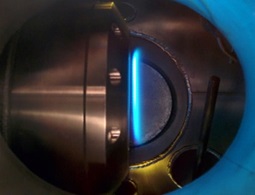
The characterization of compounds produced in combustion could lead to cleaner, more efficient power stations.
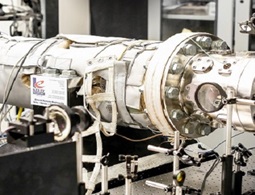
New technique lays the foundation for greener transport fuels and next-generation engines.