
Electric fields tame the flame
A clearer understanding of how flame is affected by electric fields paves the way for advanced electrically assisted combustion technology.
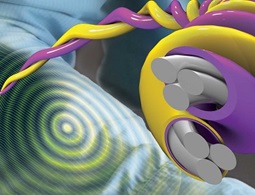
Threading the way to touch-sensitive robots
Smart threads can be woven into pressure-sensitive electronic skin for robots or medical prosthetics.
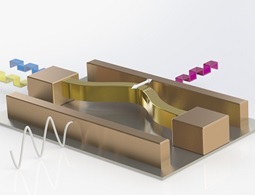
The switchable switch
A novel logic gate allows for added electronic functionality.
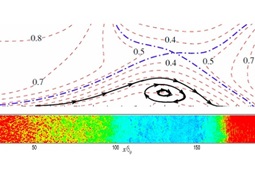
Simulations blow wind tunnel tests away
A simulation scheme for aerodynamic turbulence could replace expensive wind tunnel tests.

Less is more when it comes to soot
A complex computational model provides a more accurate description of soot formation.
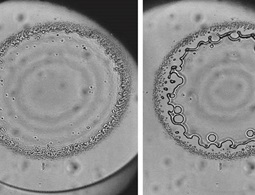
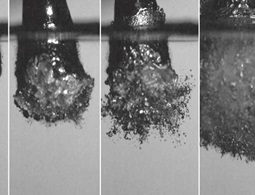
Making a splash
Ultrafast imaging reveals the influence of even ultrasmall surface roughness on inkjet printing.
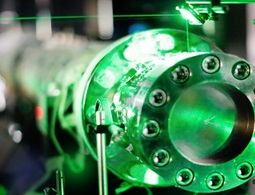
Shaping rate rules to fuel the future
Precise rate constants could provide high-fidelity combustion models for cleaner and more efficient fuels.

Know your blends
Experimental and numerical studies reveal the combustion properties of blended fuels at elevated pressures.

Emulsions reveal their family secrets
Capturing the hidden details of coalescence cascades that connect bubbles and droplets may improve oil extraction practices.
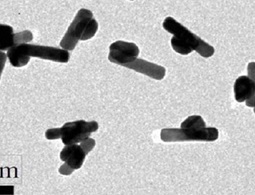
The darkest black
Metallic nanostructures absorb light better than any other known structures.
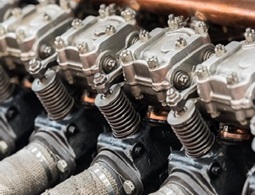
A knock-out engine performance
Environmentally friendly butanol additives improve gasoline performance in spark ignition engines.