

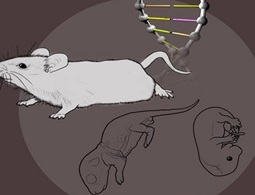
From head to tail in search of piRNAs
Small non-coding RNAs thought to be found in testes are also present in the adult mouse brain.
Small non-coding RNAs thought to be found in testes are also present in the adult mouse brain.
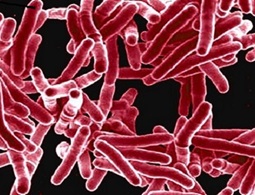
A new computational framework shows how pathogens interact with host cells at the metabolic level.
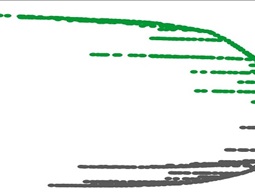
A statistical approach that can find patterns in large data sets, even in the event of missing or incorrect figures, is proving useful from genomic studies through to planning a marine reserve.
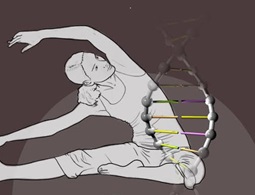
Evolution has left alone the protective functions of noncoding sequences of the human genetic blueprint.
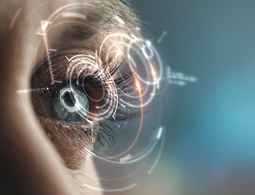
Retina-inspired optoelectronic synapse can perform image processing and optical logic tasks.
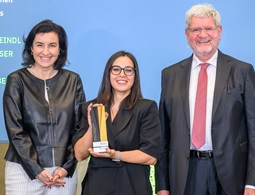
KAUST Professor Sahika Inal earns Germany’s prestigious Alexander von Humboldt Professorship, recognizing her leadership in bioelectronics. Her work advances smart, biocompatible technologies for diagnostics and therapy, highlighting KAUST’s strength in health research and global impact.

Laser-based sensor detects gases released in the early stages of battery failure, enabling timely safety shutdowns.
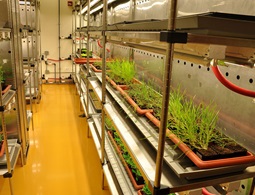
The built-in mechanisms that help plants survive extreme heat could help inform the development of more resilient crops.
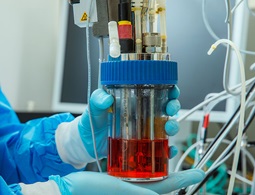
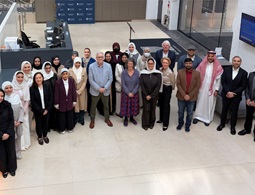
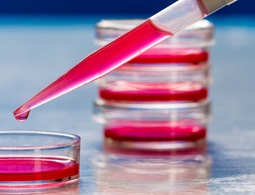
Combining approaches to better discover and cultivate microbial taxa could generate novel microbes for industrial and agricultural applications.
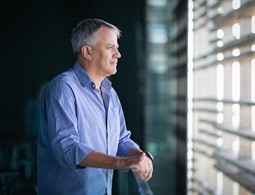
Professor Alexandre Rosado uses KAUST as a launchpad for discovery, studying extremophile microbes in Saudi Arabia to advance biotechnology, environmental solutions, and the search for life beyond Earth through global space collaborations.
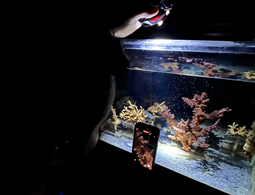
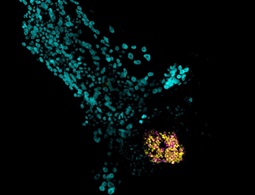
A unique embryo-like cellular model offers a scalable platform for studying human embryogenesis, fertility, and developmental disorders.

How a "Super Transformer" model could unify genomics, imaging and cellular data — and help biologists see the whole.

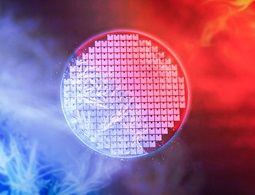
Robust semiconductor enables devices to operate close to absolute zero, with potential applications in space missions and quantum computing.
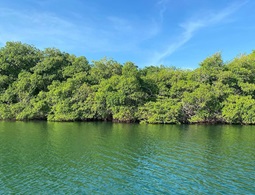

Accounting for weather extremes is essential for designing reliable renewable energy systems in hot, arid regions.
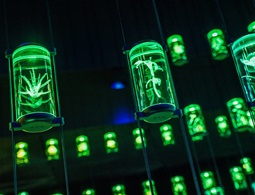
A new genomic approach is helping improve crop resilience.
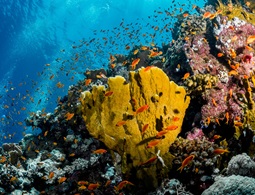
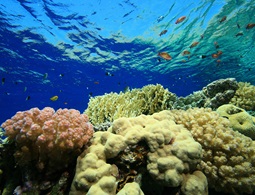
KAUST researchers are testing solutions that may shape how coral reef systems weather the century ahead.
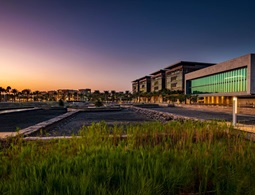
KAUST ranks among the world’s top 100 in eight subjects in the latest QS World University Rankings by Subject, including No. 1 in Saudi Arabia in four disciplines, reflecting its academic excellence and global impact in science and engineering.