Safeguarding the right to be forgotten
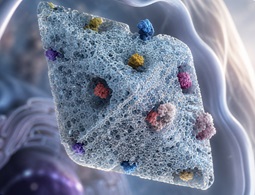
An open-source software can help align artificial intelligence applications in healthcare with data privacy regulations.
An open-source software can help align artificial intelligence applications in healthcare with data privacy regulations.

Skin organoids offer a powerful platform for drug discovery in the ongoing fight against the virus formerly known as monkeypox.
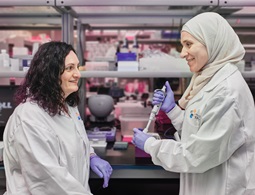
An innovative AI-based tool leverages varied symptom descriptions, along with evidence from the scientific literature and genomic datasets, to pinpoint disease-associated gene variants.

New research into how humans and animals use complexity to make decisions offers some tantalizing insights into the nature of intelligence.

Hydrogels that mimic natural environments help to reveal cellular intricacies often missed in traditional lab studies.

A complex interplay of factors influences the spread of superbug genes during wastewater treatment and reuse.
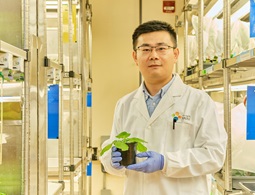
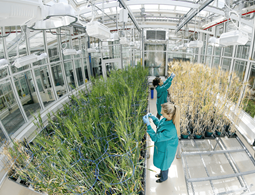
A simple enzymatic pathway taken from fungi can enhance the production and storage of provitamin A in crop plants.

PNP editing emerges as a versatile and programmable tool for site-specific DNA manipulations.

Tiny packets of molecular cargo shed by cancer cells seed the foundations for metastasis at distant sites in the body.
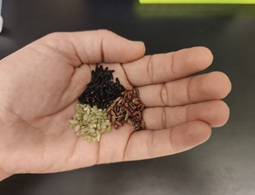
Fundamental research offers opportunities for new varieties of pigmented rice and a resource to address malnutrition.

Selective membranes allow harvesting and concentration of valuable molecules from cultured microbes.

A newly identified heat-stable Cas13 enzyme could lead to improved diagnostics and new biotechnological applications.