Ferrofluid surface simulations go more than skin deep
Computer models efficiently and accurately simulate the magnetic responses of ferrofluids by considering only the fluid’s surface.
Computer models efficiently and accurately simulate the magnetic responses of ferrofluids by considering only the fluid’s surface.
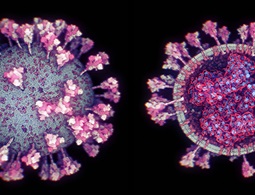
Microscope and protein data are incorporated into an easy-to-use-and-update tool that can model an organism’s 3D appearance.

Scuba divers could send sea life shots in real time using an aquatic internet service.

By training a search agent to make smarter exploratory decisions, relational data can be classified more accurately and efficiently.

A layer-based approach raises the efficiency of training artificial intelligence models.
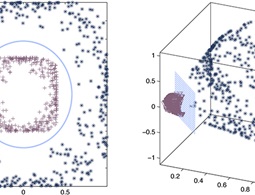
Machine learning tasks using very large data sets can be sped up significantly by estimating the kernel function that best describes the data.

For a communications revolution, 6G development needs more human-centric research.
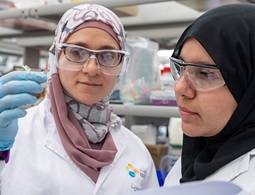
Prediction method could help personalize cancer treatments and reveal new drug targets.

The psychology of human creativity helps artificial intelligence imagine the unseen.
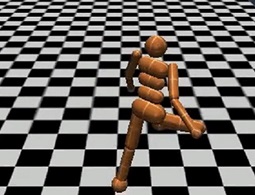
New methods for training machine learning models are quicker and more accurate than current approaches, previously considered state-of-the-art.
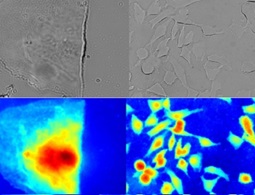
An innovative optical component and a reconstruction algorithm provide more detailed images.
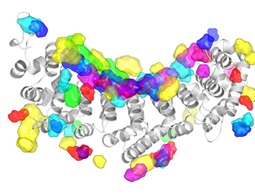
A deep learning tool could help in structure-based drug discovery.