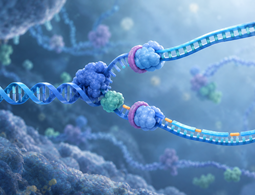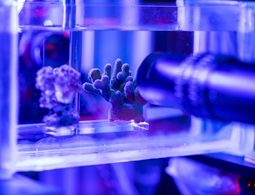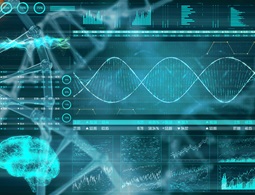
Can AI finally bring order to biology’s data deluge?
How a "Super Transformer" model could unify genomics, imaging and cellular data — and help biologists see the whole.
How a "Super Transformer" model could unify genomics, imaging and cellular data — and help biologists see the whole.

Realistic AI models of hydrogen plants help stabilize power grids with high levels of renewable energy.
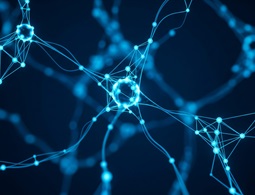
Brain-inspired network design for computation could lead to more accurate, higher-performance machine learning.

Deploying advanced computers on floating platforms in the stratosphere could save on cooling costs.

A network analysis tool allows users to reveal the hidden workings of network middleboxes.
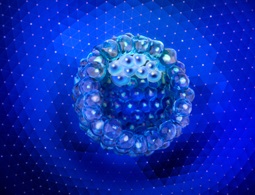
Deep-learning tool outperforms human experts at classifying lab-grown embryo-like structures, enabling advances in developmental biology and drug discovery.
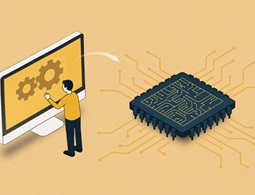
Microchip designs can be streamlined by incorporating both high-level concepts and low-level wiring details in the same modelling framework.
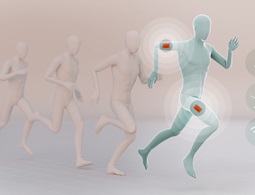
No blood, no batteries — just sweat, microwaves and some seriously cool science.

A query-based method for extracting knowledge from sensitive datasets without showing any underlying private data could resolve long-standing privacy concerns in machine learning.
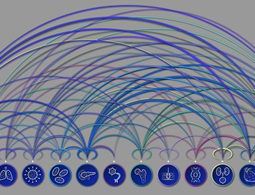
Understanding how diseases trigger one another could lead to better treatments, prevention strategies and improved genetic risk prediction.
A much-hyped new theory that purports to provide a universal explanation of natural phenomena merely repackages existing theoretical tools.
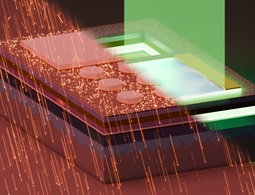
A selective thermal oxidation that eliminates damage to sidewalls is set to enhance micro-LED efficiency.